Early childhood, spanning approximately from ages three to six, represents a critical period of development when children begin to assert themselves in new ways, explore the world with curiosity, and take initiative in social interactions and activities. According to Erik Erikson’s theory of psychosocial development, this period is defined by the conflict of Initiative vs. Guilt. How children navigate this stage lays the foundation for their sense of purpose, their willingness to take risks, and their confidence in making decisions.
Erikson’s framework emphasizes that each stage of life presents a unique psychosocial crisis, the resolution of which shapes an individual’s emotional and social growth. For early childhood, the central question is: “Am I capable of initiating activities and contributing meaningfully, or will I feel guilty for my efforts and ideas?” Understanding this stage requires examining not only children’s psychological growth but also the influences of family, culture, education, and socioeconomic factors.
Overview of Erikson’s Psychosocial Stages
Erikson identified eight stages of psychosocial development, each tied to a key conflict. Early childhood falls into the third stage, following infancy and toddlerhood.
| Stage | Age Range | Crisis | Outcome | Core Virtue |
|---|---|---|---|---|
| Infancy | 0–1 year | Trust vs. Mistrust | Hope or insecurity | Hope |
| Toddlerhood | 1–3 years | Autonomy vs. Shame and Doubt | Independence or self-doubt | Will |
| Early Childhood | 3–6 years | Initiative vs. Guilt | Purpose or guilt | Purpose |
| Middle Childhood | 6–12 years | Industry vs. Inferiority | Competence or inferiority | Competence |
| Adolescence | 12–18 years | Identity vs. Role Confusion | Identity or confusion | Fidelity |
| Young Adulthood | 18–40 years | Intimacy vs. Isolation | Love or isolation | Love |
| Middle Adulthood | 40–65 years | Generativity vs. Stagnation | Care or stagnation | Care |
| Late Adulthood | 65+ years | Integrity vs. Despair | Wisdom or regret | Wisdom |
The early childhood stage emphasizes purpose. When children successfully balance initiative with an understanding of limits, they learn to direct their energy toward meaningful activities.
Characteristics of the Initiative vs. Guilt Stage
Children at this stage develop a growing sense of independence. They begin to form goals, create stories, plan activities, and test boundaries. Initiative shows itself in ways such as:
- Inventing games and assigning roles to peers.
- Using imagination in pretend play.
- Asking endless “why” questions to understand the world.
- Volunteering to help adults or attempting new tasks.
At the same time, guilt emerges when children perceive that their efforts are unwanted, disruptive, or disappointing. Excessive criticism, ridicule, or punishment can make a child feel that their curiosity and initiative are wrong, leading them to withdraw.
The balance between initiative and guilt is delicate. Successful resolution fosters purpose, the ability to act with intention and confidence. Failure can produce a persistent sense of guilt and inhibition.
The Role of Play
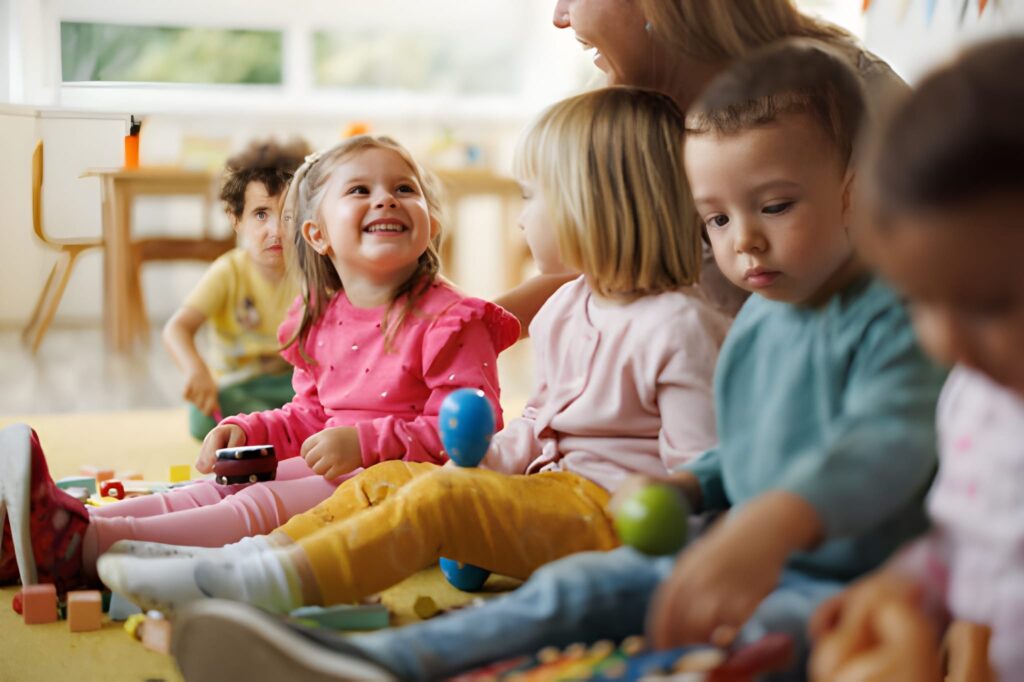
Play is the most powerful context for initiative in early childhood. Pretend play allows children to try on roles, test rules, and build narratives. Group play, such as building forts, playing “house,” or acting out superheroes, helps children practice leadership, cooperation, and negotiation. Through play, children also explore moral boundaries—learning when their actions cause joy or harm.
Educators and parents who encourage open-ended play give children room to develop initiative. Overly restrictive environments, where children have little control over activities, risk suppressing initiative and fostering guilt.
Family and Parenting Influences
The family environment is central in shaping whether initiative or guilt dominates. Parenting styles have distinct effects:
| Parenting Style | Effect on Initiative |
|---|---|
| Authoritative (supportive, with consistent limits) | Encourages initiative while teaching responsibility. |
| Authoritarian (strict, controlling) | Suppresses creativity, increases guilt and hesitation. |
| Permissive (lenient, few boundaries) | Supports exploration but may fail to teach responsibility. |
| Neglectful | Weakens initiative; children may feel unsafe or ignored. |
Supportive parenting balances freedom with structure. For example, allowing a child to choose between two activities fosters independence while still providing guidance. In contrast, frequent shaming or dismissal (“That’s silly, stop doing that”) undermines initiative.
Cultural and Socioeconomic Perspectives
Culture shapes how initiative is encouraged or restricted. In individualistic cultures such as the United States, initiative is often linked to personal achievement, creativity, and leadership. Children are praised for standing out and showing originality. In collectivist cultures such as Japan or China, initiative may be channeled into group harmony, cooperation, and respect for authority. Both contexts provide valuable forms of initiative, though expressed differently.
Socioeconomic conditions also influence outcomes. Children from higher-income families often have access to preschool programs, extracurricular activities, and safe play environments that support initiative. Those from lower-income backgrounds may face challenges such as limited resources, caregiver stress, or unsafe neighborhoods that restrict opportunities for exploration. However, resilience and strong family bonds can still foster initiative in resource-limited contexts.
Educational Implications
Teachers are pivotal in guiding initiative in classrooms. Strategies include:
- Allowing children to choose activities during free play.
- Encouraging storytelling, role play, and art.
- Praising effort rather than only results.
- Providing cooperative learning projects.
- Responding to questions with patience instead of dismissal.
A child who is consistently silenced or restricted in class may develop guilt, leading to reluctance to participate. Conversely, a child whose curiosity is encouraged learns that initiative is valued.
Case Examples
Case A: Emma, age 4, decides to create a “restaurant” in the living room. Her parents play along, letting her design menus and serve food. This fosters confidence, leadership, and creativity.
Case B: Alex, age 5, tries to lead a game with peers, but his teacher frequently interrupts and insists on structured play. He begins to withdraw, fearing his ideas are wrong.
These examples illustrate how everyday interactions either build purpose or reinforce guilt.
Long-Term Outcomes
The resolution of initiative vs. guilt has lasting effects.
| Resolution | Childhood Behavior | Adult Behavior |
|---|---|---|
| Positive (Initiative) | Confident in play, takes leadership, persists in challenges. | Strong sense of purpose, ability to set and pursue goals, resilience. |
| Negative (Guilt) | Withdraws from activities, avoids leadership, depends heavily on adults. | Hesitant in decision-making, avoids risks, struggles with independence. |
Children who develop initiative are more likely to approach school and future challenges with confidence. Those burdened by guilt may carry self-doubt into later stages, hindering their ability to embrace industry, identity, and intimacy.
Practical Strategies to Support Initiative
- Encourage children to make choices in safe contexts.
- Model initiative by starting projects and problem-solving openly.
- Emphasize effort and curiosity rather than perfection.
- Allow mistakes to be learning opportunities.
- Provide both structure and freedom to balance exploration with responsibility.
Conclusion
The psychosocial stage associated with early childhood—Initiative vs. Guilt—represents a pivotal moment in human development. During this period, children learn whether their ideas and efforts are valuable or whether they should feel guilty for asserting themselves. Parents, educators, and communities hold a powerful role in shaping this balance. By encouraging exploration, supporting play, and framing mistakes as growth opportunities, adults can help children emerge from this stage with a strong sense of purpose. The lessons learned during these formative years echo throughout life, influencing confidence, leadership, and resilience.