Small Whitish Pinpoint Spots: Decoding Newborn Milia
A specialist's guide to the common, harmless pearls of newborn skin.
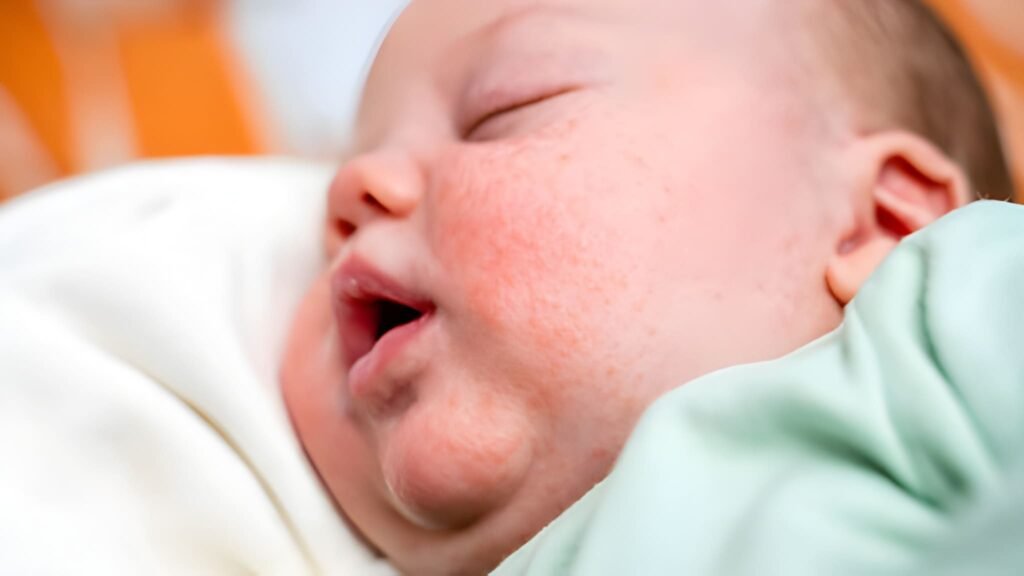
During the first few days after birth, many parents notice a scattering of tiny, pearly white or yellowish bumps across their newborn’s nose, chin, or cheeks. These small whitish pinpoint spots can appear startlingly clear against the baby's delicate skin. As a child and mother specialist, I frequently encounter parents who worry these spots indicate an infection, an allergy, or a lack of hygiene. In reality, these are milia, and they affect nearly half of all newborns. They represent a perfectly normal developmental phase of the skin's journey as it adapts to the world outside the womb.
What Exactly Are These Pinpoint Spots?
Milia are tiny cysts that form just under the surface of the skin. Unlike adult whiteheads or pimples, milia do not involve the pores or the oil glands directly in the way acne does. Instead, they are small pockets of keratin—a protein that makes up the outer layer of human skin, hair, and nails. In newborns, these spots are most common on the nose, but you may also find them on the forehead, the upper lip, or inside the mouth.
The Biology of Trapped Keratin
In an adult, the skin constantly sheds old cells to make room for new ones. In a newborn, the skin is still learning this regenerative process. Milia occur when the skin fails to slough off dead cells efficiently. These cells become trapped in small pockets near the surface, hardening into the tiny, white "pearls" parents see.
Because newborn skin is so thin and transparent, these trapped cells are highly visible. As the baby’s skin matures over the first few weeks, the surface naturally wears down, the pockets open up, and the trapped keratin escapes without leaving any marks or scars.
Distinguishing Milia from Other Skin Conditions
It is easy to confuse milia with other common newborn rashes. However, the treatment for these conditions varies significantly, making accurate identification essential.
| Condition | Appearance | Common Location | Key Difference |
|---|---|---|---|
| Milia | Firm, white, pinpoint "pearls." | Nose, chin, cheeks. | No redness or inflammation. |
| Neonatal Acne | Red bumps or small whiteheads. | Cheeks and forehead. | Surrounded by red, inflamed skin. |
| Miliaria (Heat Rash) | Tiny clear or red blisters. | Neck, chest, skin folds. | Related to overheating/sweating. |
| Erythema Toxicum | Yellowish bump on a red base. | Anywhere on the body. | Looks like a small "insect bite." |
Milia in the Mouth: Epstein Pearls
Interestingly, the same process that causes spots on the nose can occur inside the baby's mouth. These are known as Epstein pearls. They appear as small, white-yellow bumps on the roof of the mouth or along the gums.
Much like the spots on the nose, Epstein pearls are harmless cysts filled with keratin. They often worry mothers who mistake them for emerging teeth or a thrush infection. Unlike thrush, which appears as white, creamy patches that look like milk curd and cannot be wiped away, Epstein pearls are firm, distinct, and painless. They disappear on their own within a few weeks as the baby nurses and grows.
Gentle Skin Care Protocols
The most important rule regarding newborn milia is a simple one: Leave them alone. Because milia are not caused by dirt or oil, scrubbing the skin will not help and will likely cause irritation.
Common Management Questions
The Natural Resolution Timeline
Patience is the primary requirement for managing milia. The body handles the "treatment" on its own schedule.
A Note for Concerned Mothers
In the age of social media and "perfect" newborn photography, mothers often feel pressure for their babies to have flawless, porcelain skin immediately. When milia appear, it can feel like a flaw. Please remember that these spots are a sign of functional development. Your baby's skin is performing the complex task of learning how to regenerate itself.
Specialists view milia as a sign of a healthy, full-term baby. While you might see them in every photo for the first month, they are a fleeting part of the newborn stage. Focus on the baby's feeding, sleep, and overall comfort rather than the temporary cosmetic appearance of their nose.
When to Consult a Pediatrician
While 99% of milia are harmless, certain skin changes require a professional look to ensure your baby is healthy:
- Redness and Swelling: If the area around a white spot becomes red, hot, or swollen.
- Pus or Oozing: If a spot begins to leak fluid or looks like a blister.
- Spreading Beyond the Face: If the pinpoint spots appear in large clusters on the trunk or limbs.
- Fever: If skin spots are accompanied by a fever or the baby seems unusually lethargic.
- Persistence: If the spots remain unchanged or grow larger after three months of age.
Understanding that those small whitish pinpoint spots are merely trapped keratin allows you to enjoy the first few weeks of your baby's life without unnecessary worry. By maintaining a gentle, hands-off approach to skin care, you provide the best environment for your newborn's skin to clear itself and reveal the soft, healthy complexion underneath.