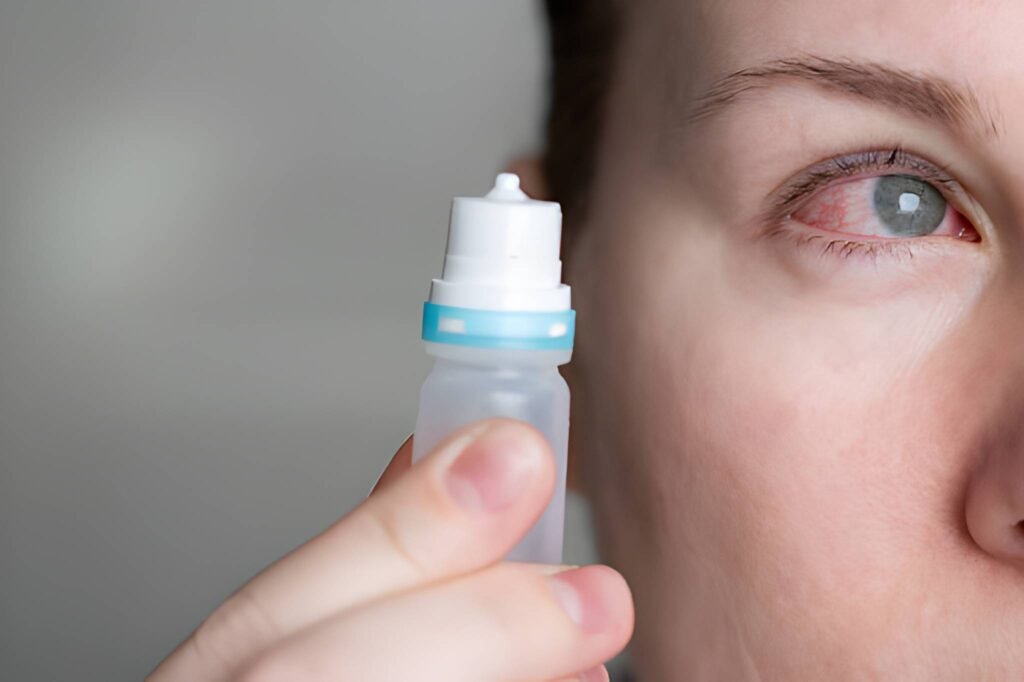
Steroid Eye Drops and Breastfeeding: A Clinical Perspective on Ocular Safety
Navigating Pharmacology, Milk Transfer, and Nasolacrimal Occlusion for Nursing Mothers in
Postpartum health often brings unexpected physical changes that extend beyond the reproductive system. Many nursing mothers experience ocular issues, ranging from severe dry eye syndrome—often exacerbated by hormonal fluctuations—to allergic conjunctivitis, episcleritis, or even uveitis. When inflammation becomes significant, ophthalmologists frequently prescribe steroid eye drops (corticosteroids) to prevent tissue damage and restore vision. However, for a mother providing exclusive nutrition to her infant, the safety of any medication entering the body is a primary concern.
As a specialist in child and mother health, I find that the anxiety surrounding eye drops usually stems from a misunderstanding of how locally applied medications interact with the bloodstream. While oral steroids require careful titration and monitoring during lactation, eye drops function within a vastly different pharmacological framework. This guide provides a detailed look at the safety of ophthalmic steroids and how you can ensure your infant receives the lowest possible exposure.
Pharmacology of Ophthalmic Steroids
Ophthalmic corticosteroids, such as Prednisolone, Dexamethasone, and Fluorometholone, are designed to penetrate the cornea and act on the internal structures of the eye. They work by inhibiting the inflammatory response, reducing capillary dilation, and preventing the migration of white blood cells to the site of inflammation. This targeted action is highly efficient because it requires a fraction of the dose found in oral medications.
The total volume of a single eye drop is approximately 25 to 50 microliters. Within that tiny volume, the actual concentration of the steroid is quite low. For the medication to reach breast milk, it must first be absorbed into the mother’s systemic circulation (her bloodstream), travel to the mammary glands, and then diffuse across the milk-blood barrier. For ophthalmic preparations, this pathway is remarkably restricted.
Local Action vs. Systemic Absorption
One of the most important concepts in ocular pharmacology is the systemic load. When you ingest a pill, 100% of the absorbed dose enters your system. When you use an eye drop, the majority of the medication stays in the eye or is washed away by tears. However, a small portion can enter the bloodstream through the mucous membranes of the nasal cavity after draining through the tear ducts.
Ocular Retention
About 80% of an eye drop is drained away via the nasolacrimal duct or evaporates. Only a tiny fraction remains to be absorbed into the systemic circulation.
First-Pass Metabolism
Any steroid that reaches the stomach via the throat is subject to first-pass metabolism by the liver, which further reduces the amount available to enter breast milk.
Molecular Size
Steroid molecules are generally large and often highly protein-bound in the blood, making their passage into the milk ducts difficult and inefficient.
Clinical Safety Ratings and Milk Transfer
The clinical consensus from major lactation databases, including LactMed and Hale’s Medications & Mothers' Milk, is that steroid eye drops are highly compatible with breastfeeding. Most are classified as L2 (Probably Safe) or L3 (Probably Safe). The primary reasoning is that the maternal blood levels achieved after standard ophthalmic dosing are so low that they are often undetectable.
The Impact on Maternal Milk Supply
High-dose systemic steroids (pills or injections) can occasionally cause a temporary dip in milk supply by suppressing the release of prolactin from the pituitary gland. However, this effect has never been documented with ophthalmic steroids. The concentration reached in the bloodstream from eye drops is insufficient to influence the endocrine system's control over lactation.
If you notice a drop in milk volume while using eye drops, it is more likely related to the underlying stress of the eye condition, pain, or dehydration, rather than the steroid itself. Maintaining hydration and frequent nursing sessions remains the best way to protect your supply while managing an inflammatory eye condition.
Nasolacrimal Occlusion: The Essential Safety Step
While the risk is already low, you can reduce systemic absorption by up to 60% using a simple physical technique called Nasolacrimal Occlusion (NLO). This prevents the medication from draining into the nose and throat, where it is most easily absorbed into the bloodstream.
How to Perform the "Press and Hold" Technique
- Wash your hands thoroughly before applying the drops.
- Tilt your head back and pull down your lower eyelid to create a small pocket.
- Apply one drop of the medication into the pocket.
- Close your eye immediately.
- Use your index finger to apply firm pressure to the inner corner of your eye (next to the bridge of your nose) for 2 to 3 minutes.
- Gently wipe away any excess liquid from your skin with a clean tissue.
This simple action keeps the medication exactly where it is needed—in the eye—and keeps it out of your breast milk.
Common Steroid Drops Compared
Your doctor may choose different steroids based on the severity of your inflammation. Here is how they generally rank in terms of potency and clinical safety data during lactation.
| Medication | Potency | Breastfeeding Safety | Clinical Notes |
|---|---|---|---|
| Fluorometholone (FML) | Mild | Safe | Low systemic absorption; often the first choice for surface inflammation. |
| Loteprednol (Lotemax) | Moderate | Safe | "Soft" steroid designed to break down quickly after it enters the eye. |
| Prednisolone (Pred Forte) | Strong | Safe | Highly effective; use NLO to ensure minimal systemic exposure. |
| Dexamethasone (Maxidex) | Very Strong | Safe | Reserved for deeper inflammation; highly compatible with nursing. |
Frequently Asked Questions
Expert Summary and Final Recommendation
From a clinical and maternal health perspective, steroid eye drops are safe for breastfeeding mothers. Their local application, combined with the low concentrations of active ingredients, ensures that the infant’s exposure is virtually non-existent. By employing the Nasolacrimal Occlusion technique, you can further minimize any systemic transfer, making these drops one of the most low-risk medical interventions during the postpartum period.
Do not compromise your ocular health or your vision out of a misplaced fear of medication. A mother with healthy eyes is better equipped to care for her infant. If your ophthalmologist recommends a steroid drop, feel confident in using it while maintaining your breastfeeding relationship. Always notify your healthcare team of your nursing status to ensure the most tailored care plan possible.