Studying is a practice that extends far beyond memorization. It is a structured and thoughtful process that allows learners to take in information, process it, and apply it meaningfully in academic and real-world settings. Whether a child in elementary school, a high school student preparing for college entrance exams, a college undergraduate, or an adult returning to education after years in the workforce, study methods play a central role in academic and professional success. Understanding how to study effectively involves recognizing how the brain processes information, what strategies align with different developmental stages, and how to adapt to personal and socioeconomic circumstances. This article explores a broad range of study tips and methods, considering scientific research, practical applications, and varied learner needs.
Understanding the Science of Learning
Learning effectiveness is linked to how memory functions. Cognitive scientists describe memory as working through three stages: encoding, storage, and retrieval. Encoding involves taking information from sensory input and transforming it into a form the brain can process. Storage keeps the information available in short-term or long-term memory. Retrieval allows learners to access information when needed, such as during an exam or in problem-solving. Research consistently shows that active learning strategies, such as teaching material to others or self-testing, are more effective than passive methods like rereading notes. Another factor in effective study is cognitive load. The human brain has a limited working memory capacity, so overwhelming it with too much material reduces retention. Study methods that break down material into smaller, structured units reduce cognitive load and improve outcomes.
Common Challenges in Studying
Students frequently encounter barriers that make studying difficult. Recognizing these challenges helps in adopting effective solutions.
| Common Challenge | Description | Impact on Learning |
|---|---|---|
| Procrastination | Postponing study sessions due to distraction, fear, or avoidance | Leads to cramming, surface-level understanding |
| Poor Time Management | Lack of structured planning or prioritization | Missed deadlines, stress, incomplete learning |
| Passive Learning | Reading or highlighting without active engagement | Low retention, inability to apply concepts |
| Environmental Distractions | Noise, digital interruptions, lack of study space | Breaks focus and reduces productivity |
| Ineffective Note-taking | Copying text without summarizing or organizing | Difficult review, weak recall |
Study Tips for Different Educational Stages
Elementary and Middle School Students
Young learners benefit from structure, routine, and interactive activities. Study methods for this group should be engaging and developmentally appropriate. Creating a regular study routine reduces resistance and builds habits. Visual aids such as charts, diagrams, and flashcards help children make connections between ideas. Since younger students have shorter attention spans, study sessions should be broken into 15–20 minute intervals. Active participation, such as asking students to explain what they learned in their own words, reinforces memory. Parental involvement in organizing study spaces, reviewing material, and monitoring consistency is crucial.
High School Students
High school students encounter more advanced material and heavier workloads. They need strategies that balance independence with structured guidance. Time management becomes critical, and tools like planners, calendars, or digital apps support organization. Retrieval practice, such as self-quizzing and mock exams, helps strengthen memory. Concept mapping is useful for subjects like history and science, where relationships between ideas matter. Distraction-free environments are essential, as multitasking with phones or social media reduces focus. High school students should also learn to balance academics with extracurricular activities, using time-blocking techniques to avoid burnout.
College and University Students
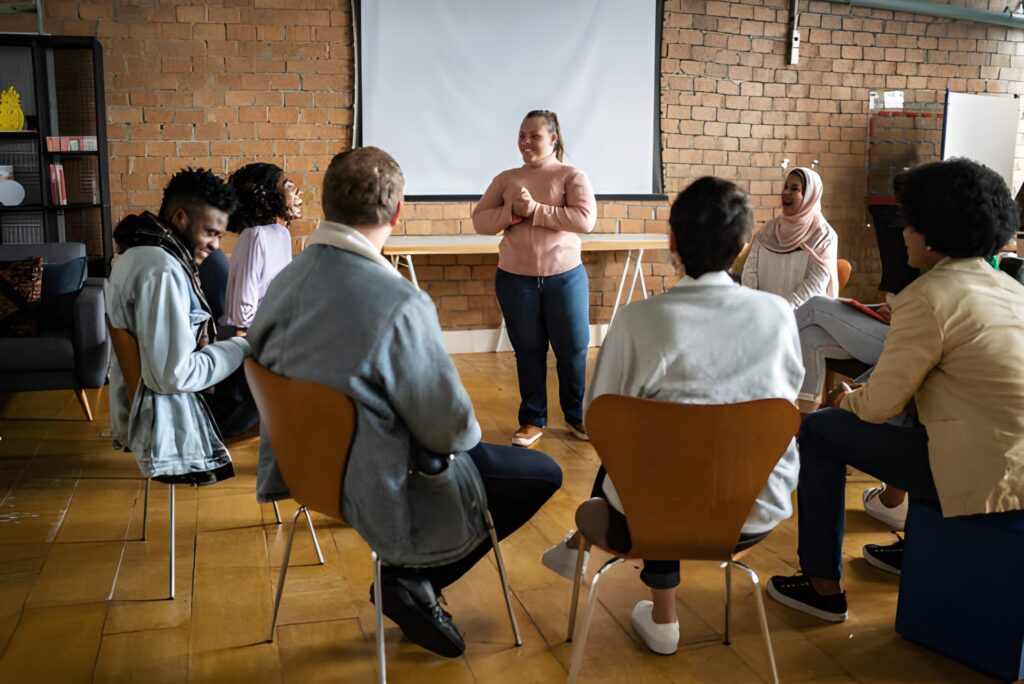
College learners face large volumes of complex material. Self-directed study is essential, and methods such as spaced repetition—reviewing content over increasing intervals—are more effective than cramming. Active recall through practice tests, writing summaries without notes, or teaching material to peers strengthens retention. Study groups encourage collaboration and critical discussion, but only if they remain focused. Application-based learning, such as case studies, simulations, and project-based assignments, allows students to connect theory with practice. Managing stress through sleep, exercise, and wellness practices also enhances academic performance.
Adult and Continuing Learners
Adult learners often balance education with work and family responsibilities, requiring flexible and efficient study strategies. Integrating learning into daily routines, such as listening to lectures during commutes, helps maximize time. Setting realistic and measurable goals fosters progress without overwhelm. Technology plays a significant role for adult learners, with apps, online forums, and virtual classrooms enabling access. Relating coursework to professional or personal experiences increases motivation and relevance.
Comparison of Study Methods
| Study Method | Description | Strengths | Limitations | Best For |
|---|---|---|---|---|
| Spaced Repetition | Reviewing content over increasing intervals | Builds long-term retention | Requires consistent scheduling | College, adult learners |
| Active Recall | Testing oneself without aids | Improves retrieval strength | Can feel difficult at first | High school, college |
| Pomodoro Technique | 25-minute study intervals with breaks | Reduces fatigue, maintains focus | Breaks may disrupt deep concentration | All learners |
| SQ3R (Survey, Question, Read, Recite, Review) | Structured reading approach | Improves comprehension and recall | More time-intensive | High school, college |
| Cornell Note-taking | Organizes notes into sections | Enhances review and summarization | Needs practice to use effectively | Middle school–college |
| Mnemonics | Using acronyms or associations | Supports memorization of facts | Not effective for complex reasoning | Younger learners, language study |
The Role of Environment in Studying
The environment where a student studies affects focus and productivity. A well-organized, quiet space supports concentration. Elements of an ideal environment include comfortable seating, good lighting, minimal distractions, and organized study materials. For students who cannot access private study areas due to socioeconomic factors, alternatives such as libraries or community centers offer valuable spaces. Digital distractions, especially from phones and social media, are among the greatest modern challenges. Developing self-discipline to limit interruptions enhances study effectiveness.
Time Management in Studying
Time management is one of the most powerful study tools. Without planning, even effective methods lose their impact. Techniques like time-blocking assign specific periods for different subjects or tasks. Weekly planning helps set academic goals while balancing personal responsibilities. Setting priorities through frameworks such as the Eisenhower Matrix helps students focus on urgent and important tasks. Reviewing progress at the end of each day ensures learning is consolidated.
Sample Weekly Study Schedule
| Day | Subject/Task | Time | Notes |
|---|---|---|---|
| Monday | Math review | 6–7 PM | Focus on practice problems |
| Tuesday | History reading | 6–7:30 PM | Summarize main events |
| Wednesday | Science lab prep | 7–8 PM | Review flashcards |
| Thursday | Group discussion | 6–8 PM | Prepare essay outline |
| Friday | Light revision | 6–7 PM | Quick self-quiz |
| Saturday | Exam practice | 10 AM–12 PM | Timed session |
| Sunday | Reflection and planning | Flexible | Set next week’s goals |
Technology and Study Methods
Technology has transformed learning. Digital flashcards, online forums, and collaborative platforms make studying more flexible. Educational apps can personalize review sessions, while video lectures and podcasts allow learning beyond the classroom. However, technology brings risks. Social media distractions and over-reliance on devices can reduce deep processing of information. Access to technology is also unequal across socioeconomic groups, raising equity concerns. Teachers, parents, and learners must focus on intentional use of technology, balancing efficiency with mindful engagement.
The Connection Between Wellness and Studying
Study success depends heavily on health and wellness. Sleep supports memory consolidation, with research showing that students who sleep at least 7–9 hours score higher academically. Nutrition plays a key role, with diets rich in omega-3 fatty acids, whole grains, and fresh produce supporting brain function. Exercise improves blood flow to the brain, enhancing focus and creativity. Stress management, through mindfulness or relaxation practices, reduces anxiety and cognitive overload.
| Wellness Factor | Impact on Learning | Research Insight |
|---|---|---|
| Sleep | Improves memory and focus | 8+ hours linked to higher test performance |
| Nutrition | Sustains concentration | Omega-3 intake improves brain function |
| Exercise | Enhances creativity and recall | 20 minutes of aerobic activity increases problem-solving ability |
| Stress Management | Reduces anxiety | Mindfulness practices improve test performance |
Adapting to Learning Styles
Although some researchers argue that learning styles are not rigid categories, tailoring study methods to preferences can improve engagement. Visual learners benefit from diagrams and charts. Auditory learners remember better through lectures and discussions. Kinesthetic learners thrive on hands-on practice or movement-based study. Reading and writing-oriented learners prefer summarizing material in their own words.
Building Lifelong Study Habits
Studying should not be seen as a temporary process for passing exams. Lifelong learning requires building habits that extend beyond formal education. Practices such as reflective journaling, seeking feedback from mentors, and applying knowledge to practical contexts sustain growth. Curiosity, adaptability, and resilience are essential traits for long-term learning.
Conclusion
Studying is both a structured discipline and a personal journey. Effective study involves understanding how memory works, recognizing and overcoming challenges, choosing the right methods for each stage of learning, and building environments and routines that support focus. From elementary school to adult education, strategies like spaced repetition, active recall, time management, and wellness practices make studying more efficient and meaningful. The goal of studying is not only academic success but also the cultivation of habits that empower learners throughout life.