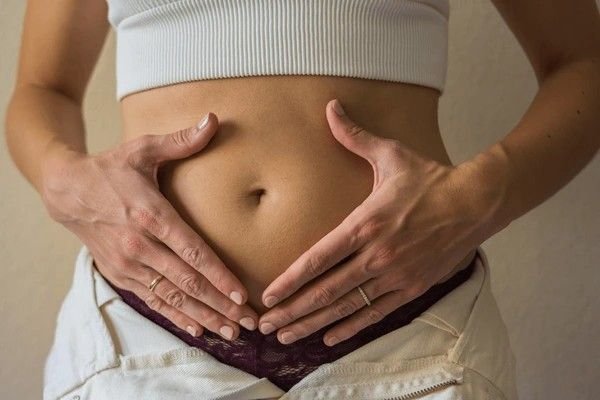
Addressing the 2-Week Dating Confusion: The LMP Rule
The concept of being two weeks pregnant is where the greatest confusion begins for many expectant parents. Clinically, pregnancy is measured starting from the **first day of the last menstrual period (LMP)**, not the day of conception or fertilization. This standard dating system, used by nearly all healthcare providers, means that a person is already considered two weeks pregnant at the moment of ovulation, well before the egg has even met the sperm.
What is Actually Happening at 2 Weeks?
During the typical 28-day cycle, the two-week mark signifies the end of the follicular phase and the imminent or actual event of ovulation. This is the period when:
- The **follicle** releases the mature egg from the ovary.
- The egg travels down the fallopian tube.
- Fertilization (conception) may occur if sperm are present.
Therefore, at 2 weeks pregnant, the body is preparing for, or completing, fertilization. The pregnancy has not yet progressed to the stage of cell division and uterine implantation, let alone significant physical growth affecting the belly.
The Microscopic Stage: Conception and Travel
To understand why the belly does not change at 2 weeks, one must visualize the microscopic size of the developing life.
From Zygote to Blastocyst
If fertilization occurs at 2 weeks, the resulting structure is a single cell known as a **zygote**. This cell is entirely contained within the fallopian tube. Over the next few days, it divides into a cluster of cells, eventually becoming a **blastocyst**—a structure about the size of the head of a pin. This blastocyst will only arrive in the uterus and attempt implantation around 3 to 4 weeks gestation.
Size Comparison at 2 Weeks
At 2 weeks pregnant, the developing life is invisible to the naked eye. It is smaller than a poppy seed. Since it has not yet reached the uterus, and the uterus itself is the size of a small pear, no physical change to the abdominal region occurs due to fetal size.
The Reality of Belly Size at 2 Weeks: Not Fetus, But Food
If an individual experiences a change in the appearance of their midsection around 2 weeks pregnant (or even up to 6 weeks), the cause is **not** the baby or the uterus expanding. The visual changes are purely digestive and hormonal, related to the standard menstrual cycle that has just passed ovulation.
Where Does the Early Swelling Come From?
The perception of a "fuller" belly in these very early weeks stems from one physiological mechanism:
- Progesterone-Induced Relaxation: Following ovulation, the body produces high levels of the hormone Progesterone (from the corpus luteum). Progesterone is necessary to prepare the uterine lining, but it also acts as a smooth muscle relaxant throughout the body, including the digestive tract.
- Slowed Digestion: This relaxation causes food to move much more slowly through the intestines, leading to trapped gas, constipation, and fluid retention. This **bloating** is responsible for the feeling and look of a slightly distended stomach in the first few weeks.
This feeling of early swelling is indistinguishable from premenstrual syndrome (PMS) bloating, as the hormonal drivers are exactly the same in the luteal phase, regardless of whether fertilization has occurred.
Progesterone and Early Bloating: Managing Discomfort
While the bloating does not indicate a visible baby bump, it can be uncomfortable. Understanding the mechanism allows for targeted, non-medicinal relief strategies.
Dietary Triggers for Bloating
Because progesterone slows down the digestive system, individuals should focus on diet strategies that minimize gas production and promote regularity. Key steps include:
- Reducing consumption of highly processed foods, which are difficult to digest.
- Drinking ample water to counteract progesterone's tendency toward constipation.
- Eating smaller, more frequent meals instead of large ones to avoid overloading the slowed digestive tract.
- Increasing fiber intake gradually to promote smooth bowel movements.
Differentiating Bloating from True Growth
Bloating is temporary and often fluctuates throughout the day, worsening after meals. True abdominal growth, which occurs later, is firm, consistent, and measured by the healthcare provider based on the fundal height (the top of the uterus).
When Uterine Growth Truly Affects the Belly
The uterus, the organ that houses the growing fetus, must expand significantly, but this process does not start affecting the external appearance of the belly until well into the second trimester.
Uterus Location and Timeline
In the first trimester (up to 12 weeks), the uterus is contained entirely within the **pelvic bowl** (the bony cradle of the hips). It must first grow large enough to fill this space before it rises into the abdominal cavity where it becomes visible externally.
| Gestational Age | Uterus Size Comparison | External Visibility |
|---|---|---|
| 2 Weeks | Size of a small plum (pre-fertilization) | Zero visibility |
| 8 Weeks | Size of a small grapefruit | None, contained deep in pelvis |
| 12 Weeks | Size of a large grapefruit/orange | Just above the pubic bone; often still hidden |
| 16 Weeks | Size of a cantaloupe | Often the first time a small, visible bump appears |
| 20 Weeks | Reaches the level of the belly button | Clearly visible and requires maternity wear |
The First Visible Sign of the Bump: A Practical Guide
Expecting a visible bump is entirely normal, but managing expectations helps reduce frustration during the long wait. The first true sign of a baby bump depends on several non-fetal factors:
Maternal and Positional Factors
- Pelvic Tilt: Changes in posture due to hormonal loosening of ligaments can cause the lower abdomen to protrude slightly earlier.
- Diastasis Recti (Abdominal Separation): If an individual experienced mild separation of the abdominal muscles in a previous pregnancy, the muscles offer less resistance, causing the belly to show much sooner in subsequent pregnancies.
- Pre-Pregnancy Weight: Individuals who carry less weight may see the change sooner, while those with a longer torso may hide the bump for a longer period.
Genetics and prior pregnancies are the main factors. Women who have given birth before (multiparous) almost always show sooner because their uterine muscles and ligaments are already stretched and more pliable. Comparisons should be avoided; every body and every pregnancy follows its own unique timeline for visible changes.
In summary, at 2 weeks pregnant, focus on supporting your body as it undergoes the immense hormonal and cellular processes of early conception. Any change in abdominal appearance at this stage is a temporary, normal side effect of progesterone and digestive slowdown, not an indicator of fetal size. The joy of the baby bump remains a rewarding milestone reserved for the second trimester.