The 3-Hour Glucose Tolerance Test: Diagnosis of Gestational Diabetes
A detailed guide to the oral glucose tolerance test, diagnostic criteria, and next steps for prenatal care.
Article Roadmap
Gestational Diabetes Context: Screening vs. Diagnosis
Gestational Diabetes Mellitus (GDM) is a condition where glucose intolerance begins or is first recognized during pregnancy. GDM affects approximately 2% to 10% of pregnancies in the United States and, if untreated, poses significant risks to both the mother and the developing fetus. Routine screening occurs between 24 and 28 weeks of gestation, when hormonal changes (specifically the production of placental hormones) create the highest degree of insulin resistance.
The Two-Step Screening Approach
Most healthcare providers in the U.S. utilize a two-step method for GDM testing:
- Step 1: The 1-Hour Glucose Challenge Test (GCT): This is a simple screening test that requires drinking a 50-gram glucose solution, followed by a single blood draw one hour later. No fasting is required. A result exceeding the cut-off (typically 130–140 mg/dL) is considered abnormal and triggers Step 2.
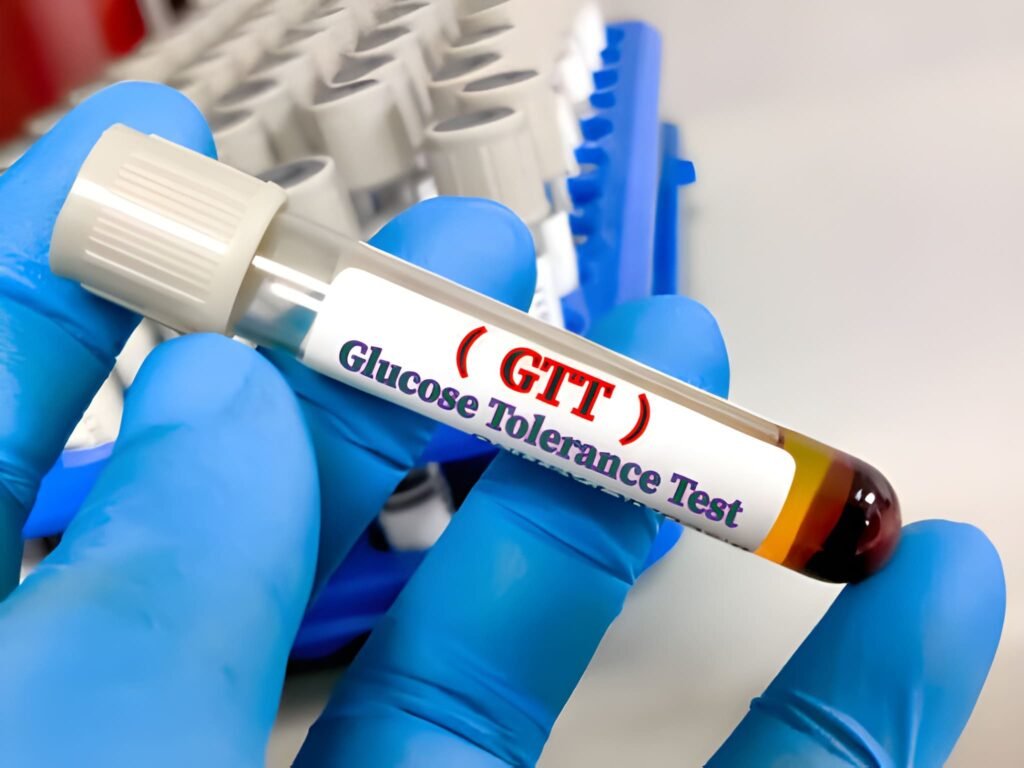
- Step 2: The 3-Hour Oral Glucose Tolerance Test (OGTT): This definitive diagnostic test is ordered only when the initial screening is abnormal. It is the gold standard for confirming GDM by thoroughly evaluating the body's response to a high glucose load over a prolonged period.
Why the 3-Hour OGTT is Necessary
A positive 1-hour GCT does not automatically mean a GDM diagnosis; roughly 70% of women who fail the 1-hour screening will pass the 3-hour test. The 3-hour OGTT is necessary because the initial screening is highly sensitive—it flags many women who are merely experiencing mild insulin resistance but do not meet the full diagnostic criteria for GDM.
The Principle of Insulin Resistance
The 3-hour test determines if the patient's pancreas can produce enough insulin to successfully regulate the massive sugar influx from the diagnostic drink. If the insulin response is insufficient, glucose levels remain elevated over several timed checks, confirming GDM. This requires four separate blood samples to map the precise failure points in the glucose metabolism curve.
The Purpose of the 3-Hour Test
The test uses a higher glucose load (100 grams versus 50 grams) and extended monitoring time (3 hours versus 1 hour) to stress the metabolic system fully. This level of stress is necessary to accurately differentiate normal pregnancy-related insulin resistance from clinical Gestational Diabetes Mellitus.
Mandatory Preparation and Fasting Protocol
Accurate results depend entirely on strict adherence to the preparatory protocol. Any deviation—such as eating, drinking coffee, or exercising before the test—can invalidate the results, forcing the patient to repeat the entire three-hour ordeal.
Dietary and Activity Preparation (3 Days Prior)
Patients must consume a **normal, unrestricted carbohydrate diet** for at least three days leading up to the test. Restricting carbohydrate intake before the test can artificially elevate the fasting glucose level, leading to a false positive diagnosis. Providers often recommend consuming at least 150 grams of carbohydrates daily during this preparatory period.
The Fasting Requirement (8-14 Hours)
This is the most crucial step:
- Timing: Fasting must be maintained for **8 to 14 hours** prior to the first blood draw. Nothing should be consumed except plain water during this period.
- Forbidden Items: Patients must strictly avoid all food, coffee, tea (even black coffee, which can stimulate metabolism), gum (even sugar-free), mints, and smoking.
- Hydration: Plain water is encouraged to prevent dehydration, which can skew blood viscosity and affect results.
The 4-Specimen Procedure: A 3-Hour Commitment
The test requires a commitment of approximately four hours at the laboratory or clinic, during which the patient must remain sedentary to ensure accurate results.
Step-by-Step Testing Process
- Draw 1 (Fasting): The initial blood sample is taken after the mandatory 8-14 hour fast to establish the baseline glucose level.
- Glucose Consumption: The patient drinks a high-concentration liquid containing **100 grams of glucose** (Glucola). This liquid must be consumed entirely within five minutes. The clock for the test starts the moment the drink is finished.
- Draw 2 (1-Hour): The second blood sample is drawn exactly one hour after the drink is finished.
- Draw 3 (2-Hours): The third blood sample is drawn exactly two hours after the drink is finished.
- Draw 4 (3-Hours): The final blood sample is drawn exactly three hours after the drink is finished.
Patients must remain seated and avoid strenuous activity, eating, or drinking anything other than water during the entire three-hour period, as physical exertion burns glucose and can invalidate the diagnostic challenge.
Interpreting Diagnostic Thresholds
The diagnosis of GDM is confirmed if **two or more** of the four blood glucose values meet or exceed the established threshold for that time point. In the U.S., two sets of criteria—the National Diabetes Data Group (NDDG) and the stricter Carpenter-Coustan (CC) criteria—are widely used, though the CC criteria are generally favored due to their higher sensitivity in identifying patients who benefit from treatment.
100-Gram OGTT Diagnostic Values (mg/dL)
| Time Point | Carpenter-Coustan Criteria (mg/dL) | NDDG Criteria (mg/dL) |
|---|---|---|
| Fasting | 95 or higher | 105 or higher |
| 1-Hour | 180 or higher | 190 or higher |
| 2-Hour | 155 or higher | 165 or higher |
| 3-Hour | 140 or higher | 145 or higher |
Interpreting the Result
If two or more values are abnormal based on the criteria used by the patient's provider, GDM is diagnosed. If only one value is abnormal, the diagnosis is often considered borderline, and the provider may recommend immediate dietary modification and potential repeat testing later in the pregnancy.
Risks, Diagnosis, and Management
Identifying GDM is crucial because uncontrolled high blood sugar during pregnancy raises risks for both the mother and the baby.
Maternal and Fetal Risks of Uncontrolled GDM
High maternal glucose freely crosses the placenta, causing the fetus to produce excess insulin, leading to complications:
- Fetal Macrosomia: Excess fetal growth leading to a larger baby (over 4,000 grams), which increases the risk of birth injury (shoulder dystocia) and Cesarean delivery.
- Neonatal Hypoglycemia: The baby's high insulin level immediately after birth leads to dangerously low blood sugar, requiring immediate intervention.
- Maternal Risks: Increased risk of developing preeclampsia, chronic hypertension, and future Type 2 diabetes.
Post-Diagnosis Management (Interactive Guide)
Diagnosis is the first step toward effective treatment, which focuses on normalizing blood glucose levels.
The initial and most important step is working with a registered dietitian (RD) to implement nutritional counseling. This involves managing carbohydrate intake and pairing complex carbs with protein and fat. Moderate exercise, such as a brisk 10-15 minute walk after meals, significantly improves insulin sensitivity. Approximately 80% of GDM cases are successfully managed through diet and lifestyle alone.
If blood glucose goals (typically less than 95 mg/dL fasting and less than 120 mg/dL two hours post-meal) cannot be consistently met through diet and exercise, medication is required. Insulin therapy is the safest and most effective pharmaceutical treatment during pregnancy, though oral medications like Metformin may also be considered.
Socioeconomic Factors and Access to Treatment
The 3-hour OGTT and subsequent management highlight significant access challenges in the US healthcare landscape.
Logistical and Financial Burden
The test itself represents a major logistical burden: four hours of non-activity and mandatory fasting requires time off work, which can be economically punitive, particularly for hourly wage earners or single mothers. Furthermore, the cost of the test ranges widely, from as low as $23 to over $190 out-of-pocket, depending on insurance status and deductible status.
Post-diagnosis, consistent management requires regular blood sugar monitoring equipment, test strips, and access to specialized professionals (RDs and diabetes educators). For uninsured or underinsured patients, accessing these follow-up resources is often the highest barrier to effective GDM control. Patients must advocate for assistance programs, utilize hospital social work services, or seek care through federally qualified health centers (FQHCs) to obtain necessary monitoring supplies and nutritional counseling.
Despite the challenges of the test, recognizing GDM allows patients and providers to intervene immediately, protecting both maternal health and the long-term well-being of the baby.