Long-Acting Contraception and Health Management
The 3-Month Contraceptive Injection: Efficacy, Management, and Fertility Return
Table of Contents
Mechanism and Efficacy: How the Injection Works
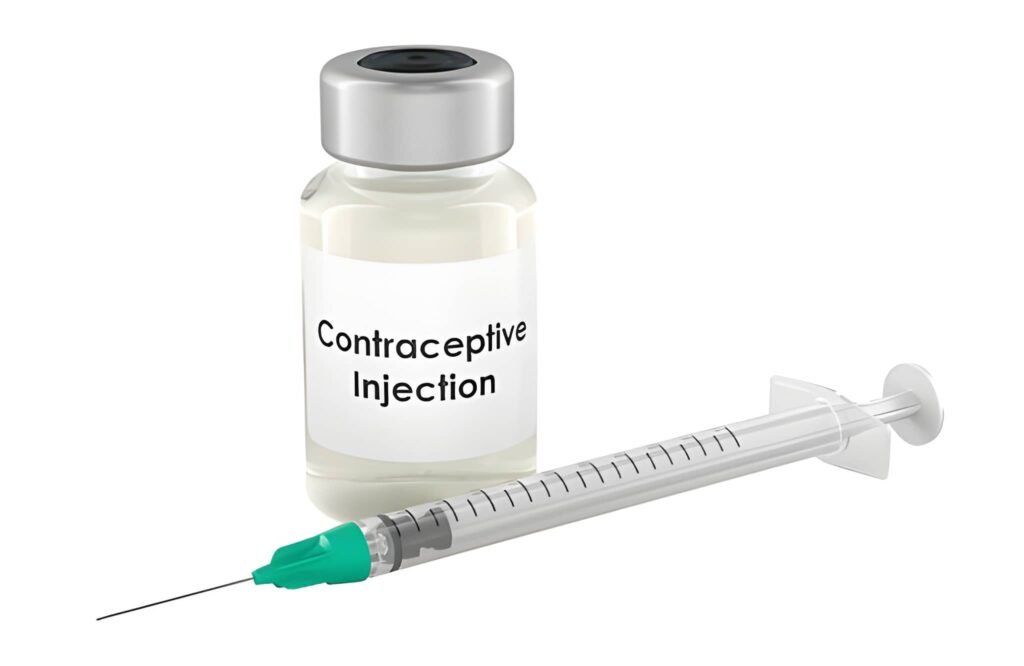
The 3-month pregnancy prevention injection, commonly known by the brand name Depo-Provera, uses the synthetic hormone **medroxyprogesterone acetate (DMPA)**. Administered intramuscularly (into the muscle) or subcutaneously (under the skin), this injection releases a high dose of progestin that provides continuous contraceptive coverage for 12 to 14 weeks.
Three Layers of Protection
The high-dose progestin works through three powerful mechanisms to prevent conception:
- Inhibition of Ovulation: The primary mechanism. The hormone prevents the ovaries from releasing an egg (ovulation) entirely. Without an egg, pregnancy cannot occur.
- Cervical Mucus Thickening: The progestin causes the cervical mucus to become thick and impenetrable, forming a physical barrier that prevents sperm from entering the uterus and reaching any potential egg.
- Endometrial Thinning: The lining of the uterus (endometrium) is thinned, making it unreceptive to implantation should an egg somehow be released and fertilized.
Efficacy Rating: The injection is highly effective. With perfect use (receiving the shot exactly on schedule every 12 weeks), its efficacy rate is over 99%. With typical use (allowing for occasional late injections), the efficacy rate is approximately 96%.
Advantages and Disadvantages Overview
The contraceptive injection is classified as a long-acting reversible contraceptive (LARC) method, though it is often considered a highly effective short-term method due to its quarterly dosing schedule. Weighing its specific benefits against its drawbacks is essential for informed choice.
The Need for Strict Timing
The injection must be received every 12 weeks to maintain maximum protection. A grace period of up to two weeks (making the total interval 14 weeks) is often allowed, but receiving the injection later than 14 weeks necessitates immediate use of backup contraception.
| Advantages | Disadvantages |
|---|---|
| Extremely high efficacy (over 99%). | **Delayed return to fertility** (up to 18 months). |
| Requires attention only 4 times per year. | Common side effects, especially weight gain and irregular bleeding. |
| Safe for breastfeeding mothers (does not contain estrogen). | Requires a visit to a healthcare provider for every injection. |
| May alleviate menstrual pain and symptoms of endometriosis. | Associated with a temporary loss of bone mineral density. |
Side Effects: Management and Expectations
Side effects are common, particularly in the first year of use, as the body adjusts to the constant high level of progestin. While most are benign, they significantly influence compliance and satisfaction with the method.
Managing Common Changes
The most predictable side effect is changes in menstrual bleeding patterns. Many women experience **irregular bleeding or spotting** during the first 6–12 months. After one year of use, approximately 50% of users experience **complete cessation of periods (amenorrhea)**, which is considered safe and often a benefit.
Common Side Effect Analyzer: Click to Learn Management
Management: This is normal and typically resolves within the first year. Over-the-counter NSAIDs (like Ibuprofen, if cleared by a doctor) may help reduce spotting intensity temporarily. Patience is key, as the endometrium adjusts to constant hormonal suppression.
Management: Users gain, on average, 5 to 10 pounds over the first year. This is likely due to appetite changes and fluid retention. Counter this with conscious caloric management and maintaining a strict, consistent exercise routine.
Management: Hormonal changes can trigger tension headaches or affect mood, sometimes mimicking depression. If severe, this must be reported to the prescribing clinician. Switching to an alternative progestin-only method may be necessary.
Fertility Return: The Key Delay Factor
This is the most critical factor distinguishing the injection from other LARC methods. Unlike IUDs or the implant, which allow an immediate return to fertility upon removal, the contraceptive injection is associated with a **prolonged delay** in the resumption of ovulation.
The Half-Life Challenge
Because the hormone is stored and released slowly from the muscle depot, it remains active in the body for a significant time after the intended 12-week coverage period. The average time for fertility to return after the last injection is approximately **9 to 10 months**, though it can take up to 18 months in some individuals. This delay is non-predictable.
Clinical Recommendation: The injection is generally not recommended for individuals who plan to try conceiving within the next 12 to 18 months due to this uncertainty.
Bone Density Concerns and Duration of Use
A significant, though reversible, concern with long-term use of DMPA is its association with a temporary loss of bone mineral density (BMD). This loss occurs primarily during the first few years of use.
Mitigation and Monitoring
The Food and Drug Administration (FDA) advises against using the injection for longer than **two years (8 injections)** unless other methods are medically unsuitable. The loss of BMD is thought to be reversible once the injections cease. To mitigate this effect while using the injection, women are strongly advised to:
- Ensure adequate **calcium and Vitamin D** intake (dietary and supplemental).
- Engage in **weight-bearing exercise** (walking, weight lifting) to support bone health.
Cost and Accessibility in the US
The contraceptive injection is one of the more accessible methods within the US healthcare system, often requiring only a small fee or being covered fully under the Affordable Care Act (ACA) mandate for preventive services.
Insurance and Clinic Access
- Insurance Coverage: Under the ACA, most private insurance plans must cover contraceptive methods, including the injection and its administration, without co-pay or deductible.
- Provider Access: The injection is available at gynecologists' offices, general practitioners, and public health clinics (like Planned Parenthood), increasing physical accessibility compared to surgical or implant procedures.
However, the requirement for a quarterly appointment remains a barrier for those with unreliable transportation or inflexible work schedules, limiting true accessibility for some socioeconomic groups.
Clinical Protocol and Contraindications
Initial screening is necessary to ensure the injection is safe for the patient. While most healthy women can use it, certain conditions are considered **contraindications** (reasons not to use it).
Contraindications include:
- Undiagnosed abnormal vaginal bleeding.
- Known or suspected breast cancer.
- Severe, acute liver disease.
- Known sensitivity to the hormone or its components.
The injection offers a highly effective, non-daily solution for pregnancy prevention. Its success hinges on strict adherence to the 12-week schedule and a clear understanding of the predictable side effect profile, especially the delayed return to fertility, ensuring it aligns perfectly with the patient's future family planning goals.