Clinical Focus and Final Preparations
The 31 Week Appointment: Third Trimester Vigilance and Essential Care
Table of Contents
- The Clinical Schedule Shift: Bi-Weekly Visits Begin
- Maternal Assessments: Preeclampsia and Edema
- Fetal Assessment: Growth and Fetal Movement Review
- Upcoming Screening: GBS Test and Blood Recheck
- Third Trimester Symptom Management
- Birth Planning and Logistics
- Interactive Checklist: Your 31-Week To-Do List
The Clinical Schedule Shift: Bi-Weekly Visits Begin
The 31-week appointment falls deep into the third trimester, a period medically defined by increased monitoring frequency. By this stage, prenatal visits typically transition from monthly to every two weeks. This intensified schedule is not a cause for alarm; it reflects the crucial need for vigilance as the mother approaches the peak risk period for complications like preeclampsia and potential growth restriction.
During the 31-week visit, the healthcare provider performs a comprehensive assessment aimed at comparing the current state of the pregnancy to the expected trajectory, ensuring both mother and fetus are progressing safely toward term. Preparing for this visit requires the mother to maintain meticulous records of her symptoms and fetal activity.
Maternal Assessments: Preeclampsia and Edema
The focus on maternal health at 31 weeks centers primarily on screening for hypertensive disorders and managing the physical burdens of late pregnancy.
Preeclampsia Screening
Preeclampsia is a serious condition characterized by new-onset hypertension and proteinuria (protein in the urine) after 20 weeks gestation. The risk peaks late in the third trimester. Every 31-week appointment includes the core screening elements:
- Blood Pressure Check: Blood pressure should remain within the normal range (under 140/90 mmHg). Elevated blood pressure on two separate occasions signals the need for urgent follow-up.
- Urine Dipstick Test: A urine sample is tested for protein. The presence of protein (proteinuria) is a key diagnostic factor for preeclampsia, indicating potential renal involvement.
Weight and Edema Management
Weight gain is expected to be more pronounced in the third trimester, largely due to fetal growth and increased blood and fluid volume. However, rapid weight gain (more than 4 pounds in one week) may signal severe fluid retention associated with preeclampsia. The provider evaluates the degree of edema (swelling), particularly in the lower extremities, and provides strategies for management, such as elevation and compression.
Fetal Assessment: Growth and Fetal Movement Review
Ensuring the baby is growing consistently and moving actively are the primary goals of the fetal assessment at 31 weeks.
Fundal Height Measurement
Fundal height—the distance from the top of the pubic bone to the top of the uterus—is measured in centimeters. At 31 weeks, the measurement should be approximately 31 centimeters.
- Tracking Growth: A measurement consistently more than 2 to 3 centimeters above or below the expected gestational age may indicate issues such as fetal growth restriction (FGR) or excess amniotic fluid (polyhydramnios).
- Clinical Response: Deviations often trigger an order for a formal growth ultrasound to verify the baby's actual size and amniotic fluid volume.
Fetal Movement Review (Kick Counts)
By 31 weeks, fetal movement is well-established, and the provider will review the mother's daily monitoring routine. Kick counting is the simplest, most effective screening tool for fetal well-being.
Kick Count Protocol
The standard recommendation is to count the time it takes to feel 10 movements (kicks, rolls, or flutters) while resting. The baby should move 10 times in 2 hours or less. A sudden decrease in movement patterns or failure to meet the 10 count should prompt an immediate call to the provider, as this is a non-negotiable warning sign requiring clinical evaluation (e.g., a Non-Stress Test or biophysical profile).
Upcoming Screening: GBS Test and Blood Recheck
While the 31-week appointment focuses on immediate risk, it is also a planning session for tests scheduled later in the third trimester.
Group B Streptococcus (GBS) Discussion
The provider will discuss the Group B Strep (GBS) screening, which is typically conducted between 35 and 37 weeks. GBS is a common bacterium that can be harmless to the mother but can cause serious infection in the newborn if not treated during labor. The screening involves a simple swab of the lower vagina and rectum. If positive, the mother receives intravenous antibiotics during labor.
Anemia Recheck
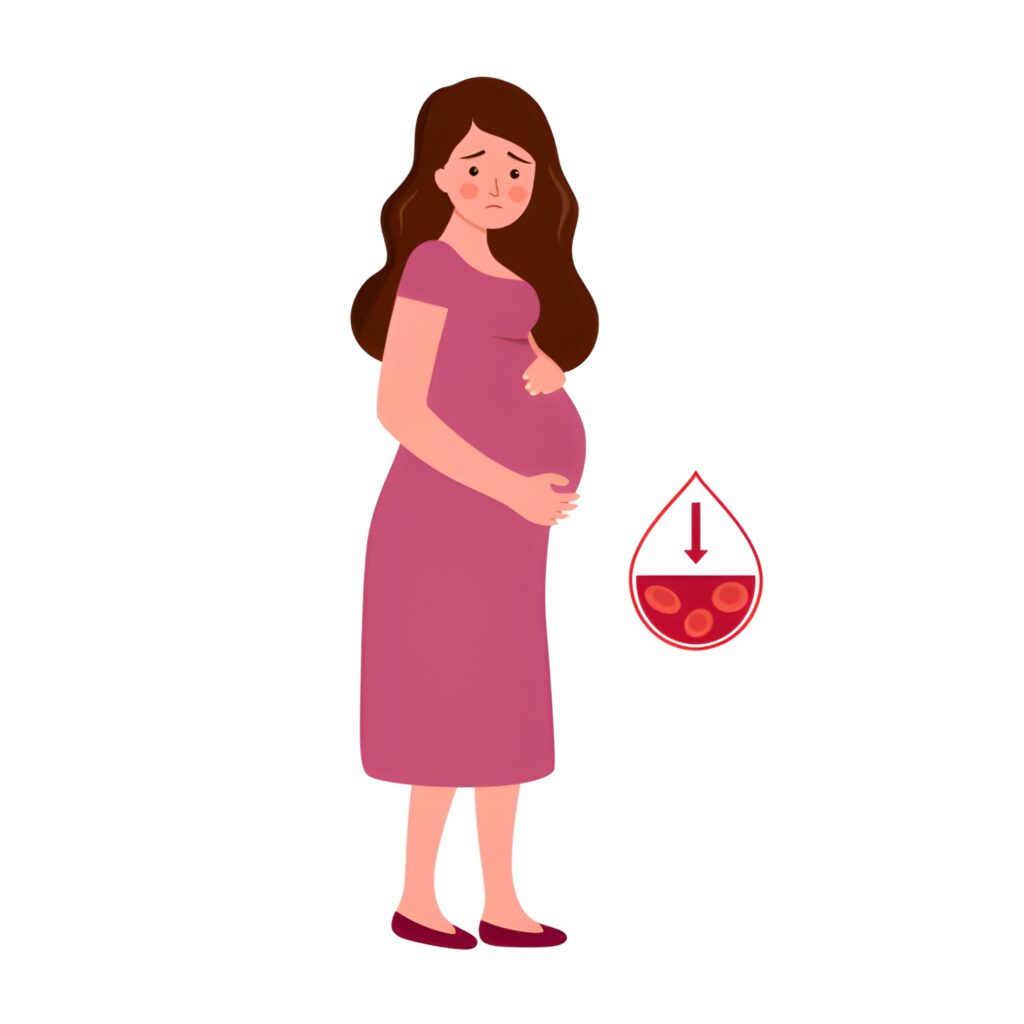
Due to the massive 50 percent increase in blood volume during pregnancy, many women develop physiological anemia (dilutional anemia) late in the third trimester. A repeat complete blood count (CBC) may be done to assess iron levels. Iron deficiency is treated aggressively with supplements to ensure adequate oxygen delivery during labor and to mitigate postpartum fatigue.
Third Trimester Symptom Management
The conversation will include managing the intensified discomforts of the seventh and eighth months.
Managing Sleep, Reflux, and Back Pain
- Reflux and Heartburn: Recommend smaller, more frequent meals, avoiding spicy or fatty foods, and elevating the head of the bed to minimize nighttime symptoms.
- Sleep Difficulties: Advice focuses on utilizing full body pillows for support, practicing relaxation techniques, and addressing frequent night waking due to bathroom visits or discomfort.
- Braxton Hicks Contractions: These "practice contractions" become more frequent. The key is distinguishing them from true labor. Braxton Hicks are typically irregular, painless, and dissipate with hydration or a change in position.
Birth Planning and Logistics
This appointment serves as a deadline for firming up logistical details and beginning open dialogue about the delivery process.
Logistical Steps and FMLA Review
- Birth Plan Review: Discussing preferences for labor, pain management (epidural vs. natural), and interventions helps the provider understand the mother's wishes.
- Hospital Bag Prep: Encourage packing the hospital bag, as preterm labor is always a possibility from this point forward.
- FMLA/Disability Confirmation: The provider may need to finalize FMLA paperwork or sign forms for short-term disability insurance, which is critical for securing protected leave and income in the US workforce.
Interactive Checklist: Your 31-Week To-Do List
Use this checklist to ensure all critical clinical and preparatory tasks for the third trimester are complete.
Third Trimester Preparation Plan
Conclusion: Confident Vigilance in the Seventh Month
The 31-week appointment is a pivotal touchpoint in the third trimester, marking the shift to bi-weekly monitoring. It is defined by heightened vigilance for maternal complications like preeclampsia and meticulous fetal assessment via fundal height and kick count review. Successfully navigating this stage requires a confident partnership with the healthcare provider, proactive management of physical discomfort, and the diligent finalization of all logistical and socioeconomic plans for the impending birth. Every completed week now brings the baby closer to safe arrival.