What is Emergency Contraception (ECP)?
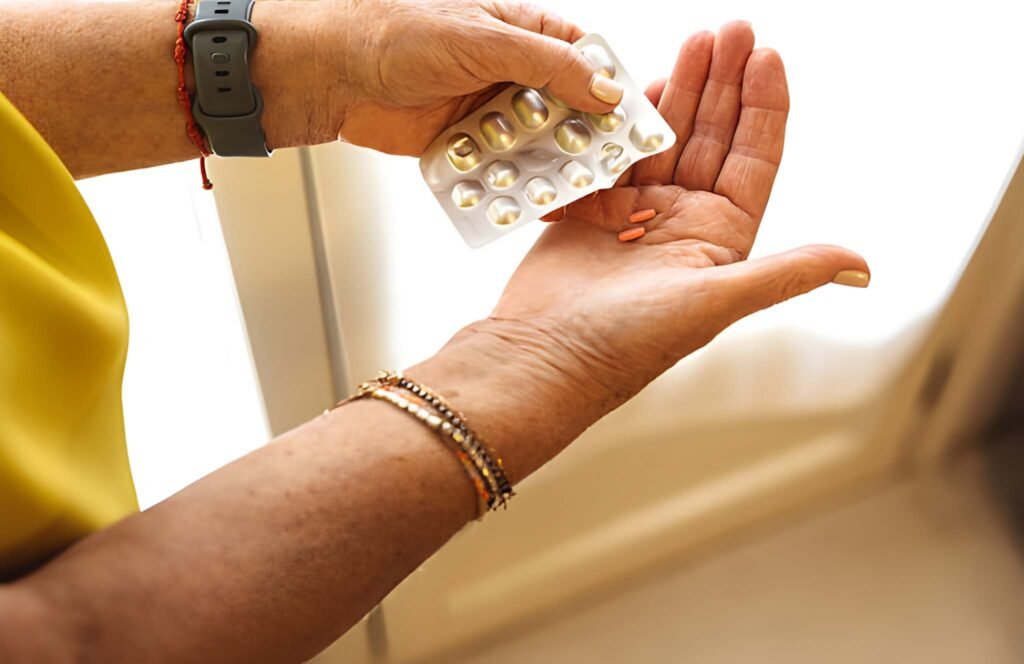
Emergency contraception (EC), often referred to by the brand name "Plan B" or the generic "Levonorgestrel," is a high-dose hormonal medication used after unprotected sexual intercourse to **prevent** pregnancy. It is intended for emergency use only and is not a substitute for regular birth control. The term "72-hour pill" refers to the effective time window for the most common form of this medication.
Indications for Use
ECPs are indicated in several emergency situations:
- Unprotected sexual intercourse.
- Slippage, breakage, or improper use of a condom.
- Missed regular birth control pills (two or more consecutive doses).
- Diaphragm or cap dislodgment.
- In cases of sexual assault.
Mechanism of Action: How Levonorgestrel Works
The primary mechanism of action for the 72-hour pill (Levonorgestrel) is centered on the inhibition or delay of **ovulation**. It contains a large dose of a synthetic progestin hormone.
Primary Function: Stopping Ovulation
The ECP works by interfering with the surge of Luteinizing Hormone (LH) that triggers the release of an egg from the ovary. If the egg has not been released yet, the medication prevents or delays ovulation long enough for any sperm already present to die off (sperm typically survive inside the body for up to five days). If ovulation is stopped, fertilization cannot occur, and pregnancy is prevented.
Timing is Everything
The pill is most effective when taken *before* the LH surge begins. Once ovulation has occurred, the medication offers virtually no protective benefit, which is why taking it as soon as possible after unprotected sex is critical.
Secondary and Non-Primary Effects
While historically, secondary effects such as thickening cervical mucus or altering the uterine lining were discussed, the clear scientific consensus is that the overwhelming **primary and most effective action is delaying ovulation.**
Timing, Efficacy, and Limitations
The efficacy of the 72-hour pill declines rapidly with each passing hour. Immediate action is paramount to maximizing its effectiveness.
The 72-Hour Window (Levonorgestrel)
Levonorgestrel is approved for use up to 72 hours (three days) after unprotected sex, but effectiveness is highest in the first 24 hours. Studies show that if taken within 24 hours, it can prevent up to 95 percent of expected pregnancies. By the third day, the efficacy drops significantly.
The 120-Hour Window (Ultrabristal Acetate)
A prescription option, Ulipristal Acetate (Ella), is effective for up to 120 hours (five days). Ulipristal Acetate maintains a more consistent level of effectiveness throughout the five-day window than Levonorgestrel and is often the preferred option if more than 72 hours have passed.
| Medication | Time Window | Primary Efficacy |
|---|---|---|
| **Levonorgestrel (Plan B)** | Up to 72 hours (3 days) | Highest within 24 hours (up to 95 percent prevention). |
| **Ulipristal Acetate (Ella)** | Up to 120 hours (5 days) | Consistent efficacy throughout the 5-day window. Requires prescription. |
| **Copper IUD** | Up to 120 hours (5 days) | Most effective option (over 99 percent prevention). Inserted by a provider. |
Weight and Efficacy Limitation
A crucial limitation of Levonorgestrel is its reduced efficacy in individuals with a Body Mass Index (BMI) of 25 or higher, and it may be ineffective for individuals with a BMI of 30 or higher. In these cases, Ulipristal Acetate or the Copper IUD are strongly recommended as the preferred emergency options.
Access and Types of Emergency Contraception
Emergency contraception is widely accessible in the United States, allowing for quick use, which is critical for efficacy.
- **Over-the-Counter (OTC):** Levonorgestrel products (e.g., Plan B) are available without a prescription or age restriction at most pharmacies.
- **Prescription Only:** Ulipristal Acetate (Ella) requires a prescription.
- **Copper IUD Insertion:** The Copper IUD (ParaGard) is the most effective form of EC and requires immediate insertion by a healthcare provider. It also serves as highly effective, non-hormonal, long-term contraception.
Common Side Effects and Recovery
Because ECPs involve a large, acute dose of hormones, temporary side effects are common but generally mild and short-lived.
Expected Side Effects
- **Nausea and Vomiting:** This is the most common immediate side effect. If vomiting occurs within two hours of taking the pill, contact your healthcare provider, as the medication may not have been absorbed, requiring a repeat dose.
- **Irregular Bleeding:** Spotting or light bleeding often occurs in the week following the pill.
- **Dizziness, Headaches, and Fatigue:** Temporary hormonal shifts can cause mild dizziness or headache, usually resolving within 24–48 hours.
Follow-up: When to Expect Your Period
The major side effect of EC is disruption of the normal menstrual cycle. The medication throws off the timing of ovulation, often causing the next period to be lighter, heavier, earlier, or later than expected.
Cycle Disruption and Return to Normal
Most individuals experience their next menstrual period within **one week of the expected date**. If your period is more than one week late after the scheduled date, you must take a pregnancy test. This confirms whether the medication was ineffective or if the cycle delay is simply a normal hormonal consequence of the ECP.
ECP Versus Abortion
It is vital to understand the difference between emergency contraception and abortion medication.
ECP Does Not Cause Abortion
Emergency contraception (the 72-hour pill) is a form of contraception, meaning it works to **prevent** pregnancy by inhibiting or delaying ovulation. **It does not terminate an existing pregnancy**; if implantation has already occurred, the ECP is ineffective and does not harm the developing fetus.
When to Take a Test
If your next period is more than seven days late following the expected date, take a home pregnancy test. If the test is positive, contact your healthcare provider immediately to confirm the pregnancy and discuss future options.