The Biological Blueprint: Decoding Newborn Reflexes
When a newborn infant enters the world, their survival depends on a set of automatic movement patterns called primitive reflexes. These involuntary muscular responses originate in the central nervous system and are triggered by specific sensory stimuli. As a specialist in child development, I often explain to parents that these reflexes serve as the "pre-installed software" of the human body. In , we understand more than ever how these movements facilitate immediate survival, encourage early bonding, and lay the foundation for future voluntary motor skills.
The Foundation of Survival: Feeding Reflexes
The most critical reflexes are those that ensure the infant can find and consume nutrition immediately after birth. Without these automatic patterns, the transition from placental nourishment to oral feeding would be impossible.
The Rooting Reflex
When the corner of a baby's mouth or cheek is touched, they automatically turn their head toward the stimulus and open their mouth. This helps the infant find the breast or bottle during the early days of blurred vision.
The Sucking Reflex
This follows rooting. When the roof of the baby's mouth is touched, they begin to suck. Interestingly, this reflex does not fully mature until about the 36th week of pregnancy, which is why premature infants often require feeding support.
A third, often overlooked component is the swallowing reflex. This coordinated movement of the tongue and throat ensures that the infant can manage the flow of milk without aspirating. Together, these three patterns form the feeding triad that sustains life during the first months.
Protective Responses: The Body's Alarm System
The newborn brain is hyper-vigilant. Since they cannot move their bodies to escape danger, they possess reflexes designed to signal distress or protect vital structures.
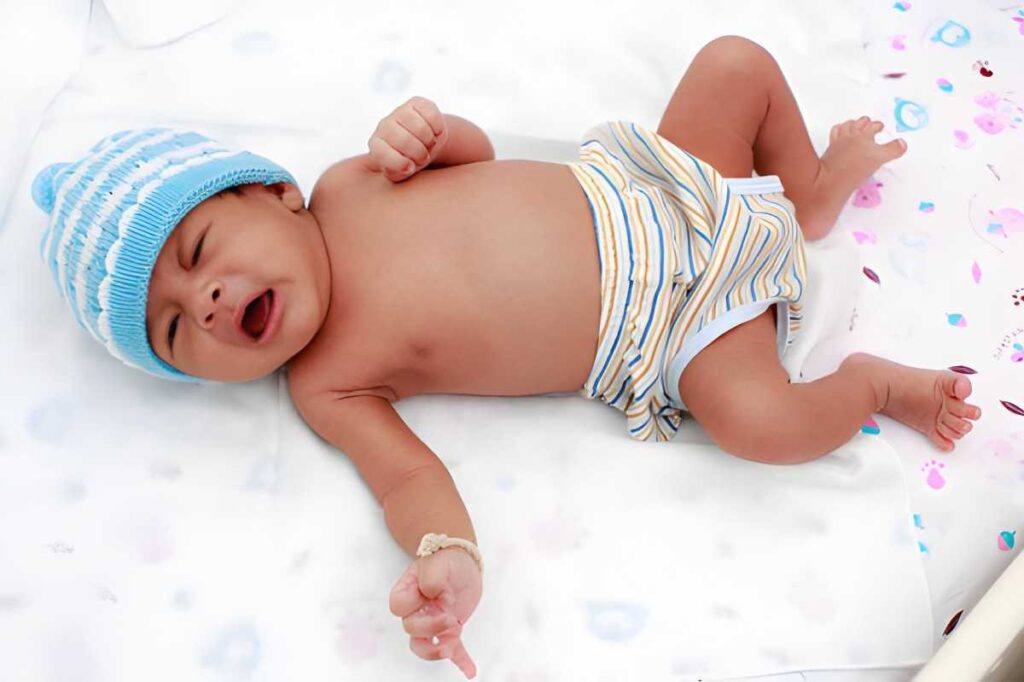
Triggered by a sudden loud noise or the sensation of falling. The baby throws back their head, extends their arms and legs, cries, then pulls the limbs back in. It is a primitive attempt to cling to a caregiver for safety. It usually disappears by month four.
When you place a finger in a newborn's palm, their fingers close with surprising strength. This reflex is so powerful it can often support the baby's own weight. Evolutionarily, this allowed infants to cling to their mother's fur or clothing during travel.
Postural & Structural Markers
Some reflexes seem purely navigational, preparing the muscular-skeletal system for the massive tasks of crawling and walking that occur much later in the first year.
The Reflex Disappearance Chart
As the brain matures and the frontal lobe takes more control, these primitive patterns are "inhibited" and replaced by voluntary movements. The timing of this disappearance is a key indicator of neurological health.
| Reflex Name | Stimulus | Expected Disappearance |
|---|---|---|
| Stepping | Feet touching a flat surface | 2 Months |
| Rooting | Cheek stroke | 4 Months |
| Moro | Sudden sound/drop | 4 - 6 Months |
| Palmar Grasp | Palm pressure | 5 - 6 Months |
| Babinski | Stroke on sole of foot | 12 - 24 Months |
Clinical Significance: When Reflexes Linger
In clinical practice, we look for two specific red flags: the absence of a reflex at birth or the persistence of a reflex beyond its expected window. If a reflex like the Moro or ATNR remains active into toddlerhood, it may interfere with the development of complex motor skills.
Failure to integrate primitive reflexes often correlates with challenges in balance, coordination, and even future academic focus.
Stimulating Healthy Development
In the United States, pediatric well-visits always include a "reflex check." However, parents can support this process at home. Tummy time is the most effective way to help a baby integrate their reflexes. By placing the infant on their stomach while awake, you force them to use their neck and trunk muscles against gravity, which encourages the brain to transition from "automatic" to "voluntary" control.
It is also essential to avoid over-using "containers"—such as bouncers, swings, or car seats—when the baby is not traveling. These devices restrict the natural movement patterns that the brain needs to process and eventually inhibit primitive reflexes. Allow your infant plenty of time on a flat, safe surface to kick, squirm, and explore their own physical boundaries.
Final Specialist Word
Newborn reflexes are a testament to the sophisticated design of human biology. They provide a safety net during the most vulnerable months of life. While it is fun to watch your baby "step" across a table or squeeze your finger, remember that these movements are windows into their developing brain. By understanding these automatic patterns, you can better appreciate the miraculous transition your child is making from a purely biological being to an intentional, moving toddler.