Weeks 31 Through 35: The Threshold of Full Term
The Eighth Month of Pregnancy: Final Fetal Growth and Intensive Maternal Monitoring
Table of Contents
1. Fetal Development: Preparing for the Outside World
The eighth month (Weeks 31 through 35) is defined by rapid refinement rather than the structural formation of earlier trimesters. The baby is gaining weight at an astonishing rate—often half a pound per week—and shifting focus from system creation to system optimization for life outside the womb.
Key Maturity Goals
- Weight Gain and Fat Storage: The baby develops thick layers of subcutaneous fat, which are crucial for maintaining body temperature after delivery. Weight typically increases from approximately 3.5 pounds (Week 31) to 5.5 pounds (Week 35).
- Lung Maturation: The lungs are approaching full function. Although the central nervous system continues to develop throughout the third trimester, the ability to control breathing is refined now, marking a major step toward independence.
- Neurological Refinement: The brain undergoes massive growth, preparing for coordinated movement and rapid learning immediately following birth. The baby exhibits coordinated sucking and grasping reflexes.
2. Maternal Physiology: The Physical Squeeze
The sheer size of the fetus and the uterus at the eighth month creates significant pressure on internal organs, leading to intensified physical discomforts. These discomforts are normal but require consistent self-management.
Intensified Third Trimester Symptoms
- Shortness of Breath: The uterus pushes high beneath the rib cage, crowding the lungs and diaphragm. This makes deep breathing difficult and contributes to maternal fatigue. This often finds relief only when the baby "drops" or engages in the pelvis (lightening), usually closer to Week 37.
- Insomnia and Restlessness: Discomfort, frequent urination, and the need to adjust position due to pressure or fetal movement often disrupt sleep. This lack of restorative sleep compounds overall exhaustion.
- Severe Edema (Swelling): Increased blood volume (up to 50% more than pre-pregnancy) and pressure from the uterus on the pelvic veins intensify swelling in the feet, ankles, and hands. Consistent elevation and compression socks are vital.
- Gastroesophageal Reflux Disease (GERD): Heartburn is severe as the baby pushes the stomach upward, and the hormone progesterone relaxes the sphincter that prevents stomach acid from backing up into the esophagus.
3. Key Medical Milestones and Bi-Weekly Visits
Starting around Week 32, prenatal appointments shift from monthly to **bi-weekly (every two weeks)**. This increased frequency allows for heightened surveillance of both maternal and fetal well-being before the final, full-term stage.
Focused Monitoring: Pre-eclampsia and Fetal Position
- Pre-eclampsia Screening: Blood pressure checks and urine protein dips become more critical as the risk of late-onset pre-eclampsia remains high. Providers monitor for symptoms like severe headache, vision changes, or sudden, rapid swelling.
- Fetal Growth and Position: The provider checks the fundal height (measurement from the pubic bone to the top of the uterus) to assess fetal growth. Fetal position is observed to determine if the baby is **vertex (head-down)** or **breech**. Discussions about external cephalic version (ECV) or scheduled cesarean often begin if the baby remains breech after Week 34.
- Fetal Surveillance: Nonstress tests (NSTs) and biophysical profiles (BPPs) may be ordered regularly for high-risk pregnancies or cases of reduced fetal movement.
4. Interactive: Comfort and Sleep Relief Guide
Insomnia and physical aches often peak during the eighth month. Click on the symptom below to reveal an effective, non-medicinal relief strategy.
Addressing Eighth-Month Discomforts
Relief Strategy: Elevate the head of your bed (not just using pillows) by 6-8 inches. Avoid eating within three hours of bedtime and eliminate acidic foods (citrus, tomato) in the evening. Safe antacids, approved by your provider, may be necessary.
Relief Strategy: Maintain strict **sleep hygiene** (consistent bedtime, dark room). Use a full-body pregnancy pillow for optimal side-sleeping position, and consult your provider about Magnesium supplementation, which can dramatically reduce restless legs syndrome (RLS) symptoms.
Relief Strategy: Use a **maternity support belt** during the day to physically lift the weight of the abdomen off the lower back and pelvis. Continue gentle prenatal stretching or swimming to decompress the spine and alleviate nerve pressure.
5. Emotional Shifts, Impatience, and Nesting
The emotional landscape shifts toward intense impatience and a strong surge of the **nesting instinct**. The fatigue of the third trimester often clashes with the intense mental drive to prepare.
Anticipation and Impatience
Knowing that the end is near often makes the final weeks feel excruciatingly slow. This impatience is compounded by physical discomfort and insomnia. It is crucial to manage this mental energy by acknowledging the feelings of frustration and channeling them into productive, small, manageable tasks.
The Power of Nesting
The nesting instinct is a natural, necessary drive to organize and clean the immediate home environment. While productive, mothers must prioritize **rest** over perfection. Delegate non-essential cleaning tasks to partners or family members, saving energy for the critical demands of labor and postpartum recovery.
6. Managing Fatigue and the Risk of Anemia
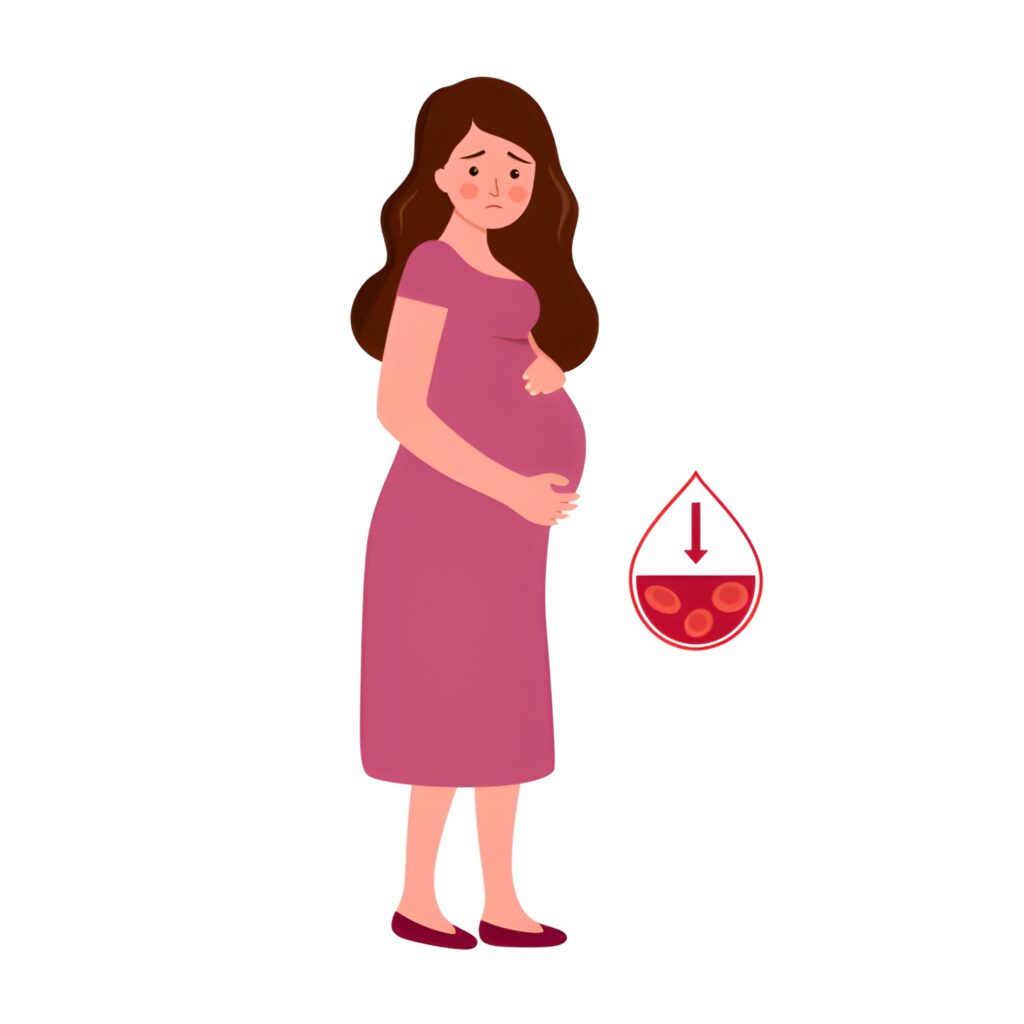
Profound exhaustion is expected in the eighth month due to the heavy physical load and interrupted sleep. This fatigue is often exacerbated by late-onset **iron deficiency anemia**.
Iron Status Check: Anemia (low iron) is common in the third trimester due to the peak demand for blood volume expansion. Your provider will check your blood count (CBC). If diagnosed, increased **iron supplementation** is mandatory to prevent severe fatigue and mitigate risks associated with potential blood loss during delivery.
To combat exhaustion, focus nutrition on frequent, small meals to maintain stable blood sugar, and increase intake of **heme iron** (red meat, poultry) and **non-heme iron** (beans, spinach) paired with Vitamin C (citrus, bell peppers) to maximize absorption.
7. Final Labor and Delivery Preparation
Weeks 31-35 are the last major window for proactive birth preparation before the weekly appointments begin. Finalize decisions and educational goals now.
Logistical and Educational Checklist
- Childbirth Education: Complete your formal childbirth classes (Lamaze, Bradley, etc.). Focus especially on pain management techniques and partner coaching roles.
- Hospital Bag: Pack the hospital bag completely for the mother, partner, and baby. Place the bag and the installed car seat base near the door for immediate access.
- Birth Plan: Discuss the final, flexible birth plan with your provider. Review preferences regarding pain management, continuous monitoring, and initial postpartum care.
8. Socioeconomic Planning: Leave and Support
For US audiences, the final financial and logistical planning for the postpartum period must be finalized during the eighth month. The primary stressor is coordinating logistics while managing physical limitations.
FMLA and Support Network Activation
- FMLA and HR Confirmation: Confirm the official start date and duration of your protected leave under the Family and Medical Leave Act (FMLA). Ensure all short-term disability paperwork for wage replacement is submitted to Human Resources.
- Childcare and Support: If you have older children, finalize arrangements for childcare during the labor and delivery hospital stay. Begin lining up postpartum support (e.g., meal train, delegated housekeeping help) to ensure the first two weeks home are dedicated to recovery and bonding, not chores.
The eighth month demands patience and proactive organization. By focusing energy on consistent monitoring, managing physical discomfort through strategic support, and finalizing the crucial logistical plans, you convert the challenges of this intense period into a stable, confident countdown toward full term and the arrival of your child.