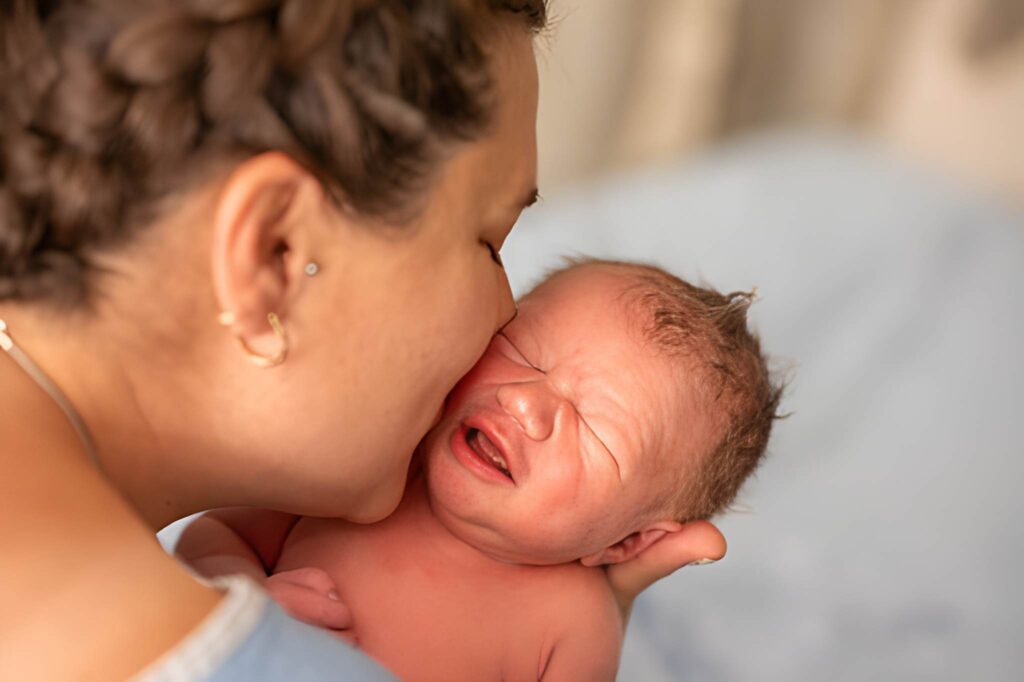
The First Breath: Initiating Respiration
A Professional Deep-Dive into Neonatal Respiratory Stimulation
Clinical Navigation
The transition from placental gas exchange to pulmonary respiration is the most critical event in the neonatal period. This process begins the moment the umbilical cord is clamped. Until that point, the fetus exists in a state of "relative hypoxia" compared to the outside world, with the placenta doing all the work. The initiation of the first breath relies on a rapid-fire sequence of physiologic stimuli that tell the newborn's brain: the time has come to breathe.
In clinical terms, we analyze these stimuli through four main categories: chemical, mechanical, thermal, and sensory. Each category works independently and synergistically to ensure the respiratory center in the medulla oblongata fires, triggering the diaphragm to contract.
The Chemical Trigger: The Role of Chemoreceptors
The most immediate and powerful stimulus for the first breath is chemical in nature. When the umbilical cord is clamped or blood flow through the placenta ceases, several metabolic shifts occur rapidly. These shifts act directly on the central and peripheral chemoreceptors.
| Chemical Shift | Resulting Stimulus | Target Mechanism |
|---|---|---|
| Lowered Oxygen (PO2) | Hypoxia | Peripheral Chemoreceptors (Carotid/Aortic bodies) |
| Rising Carbon Dioxide (PCO2) | Hypercapnia | Central Chemoreceptors (Medulla) |
| Dropping pH Level | Acidosis | Increased drive for gas exchange |
It is important to note that while mild chemical changes stimulate breathing, extreme or prolonged hypoxia can actually depress the respiratory center. This is why the timing of the first breath is so crucial—the stimulus must be strong enough to trigger the response but not so severe that it overwhelms the baby’s system.
The Mechanical Force: The Thoracic Squeeze
Mechanical stimuli play a vital role, particularly in babies delivered vaginally. During the transit through the birth canal, the baby's chest is subjected to significant pressure. This is often referred to by specialists as the Thoracic Squeeze.
As the baby’s chest emerges from the birth canal, the pressure is suddenly released. This leads to a passive recoil of the chest wall. This recoil creates a negative pressure within the chest, drawing air into the lungs. While this initial "passive" air entry is small, it provides the first inflation needed to expand the tiny air sacs (alveoli).
The Physics of the First Breath
Initial Inspiration Pressure: 40 to 70 cmH2OSubsequent Breathing Pressure: 15 to 20 cmH2O
Duration of First Inspiration: 0.5 to 1.0 second
The pressure required to open collapsed alveoli is significantly higher than the pressure needed to maintain them once open.
Thermal and Sensory Stimuli: The External Shock
The transition from a warm, dark, fluid-filled environment to a bright, cold, and loud room provides a massive sensory overload for the newborn. These external factors are immediate triggers for the respiratory system.
Thermal Stimulus
The womb is a constant 98.6 degrees Fahrenheit. The typical delivery room is 70 to 75 degrees. This sudden drop in temperature stimulates thermoreceptors in the skin, which send an urgent message to the brain to initiate respiration.
Tactile Stimulus
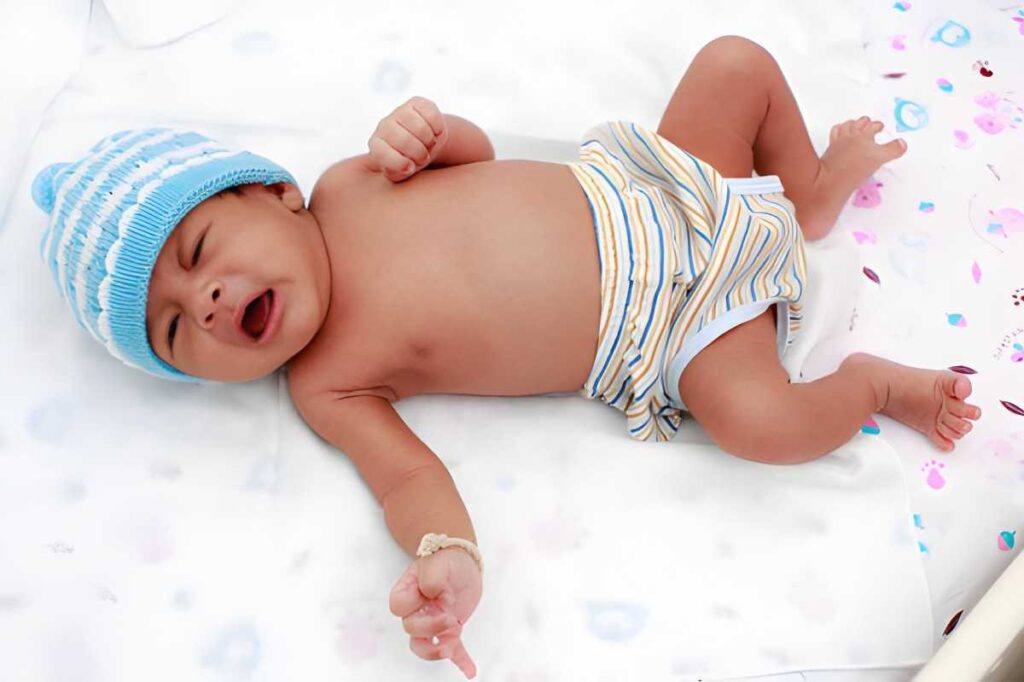
The physical act of being touched, handled, and dried with a towel provides sensory input. In the clinical setting, nurses often rub the baby’s back or flick the soles of the feet to provide "gentle stimulation" that encourages a cry.
Visual & Auditory
The sudden presence of bright lights and loud noises in the delivery room adds to the general stimulation of the central nervous system, keeping the baby alert and breathing.
Lung Fluid Clearance and the First Breath
Before birth, the lungs are filled with a specialized fluid that is not amniotic fluid; it is produced by the lungs themselves to maintain shape. Clearing this fluid is essential for air to occupy the space. While the thoracic squeeze helps, the remaining fluid is cleared through a process of absorption.
Shortly before labor begins, the baby's body releases catecholamines (like adrenaline). These hormones signal the lungs to stop producing fluid and start absorbing it. The lymphatic system and the pulmonary capillaries then draw the remaining fluid into the bloodstream. This process continues for several hours after birth.
Surfactant and Lung Stability
No matter how strong the stimuli are, the baby cannot maintain respiration without surfactant. This phospholipid-protein mixture reduces surface tension within the alveoli. Without surfactant, the tiny air sacs would collapse entirely every time the baby exhales, requiring massive effort to reopen them with every single breath.
Monitoring the Transition in
In , neonatal specialists use the Apgar score and pulse oximetry to monitor how well a baby is navigating these stimuli. While most babies respond to these natural triggers within 30 to 60 seconds of birth, some require additional assistance.
If the chemical or sensory stimuli do not initiate a breath, the medical team provides Positive Pressure Ventilation (PPV). This essentially "simulates" the mechanical recoil and the pressure needed to open the lungs. Most babies who receive a few seconds of PPV quickly find their own rhythm and begin breathing independently once their oxygen levels rise.
The symphony of changes that occurs in those first sixty seconds is a masterpiece of biology. From the rising carbon dioxide levels to the cool air hitting the baby's skin, every factor is designed to ensure the transition to air breathing is successful. As a specialist, I find that understanding these specific physiologic stimuli allows parents and providers to appreciate the incredible resilience and design of the human newborn.