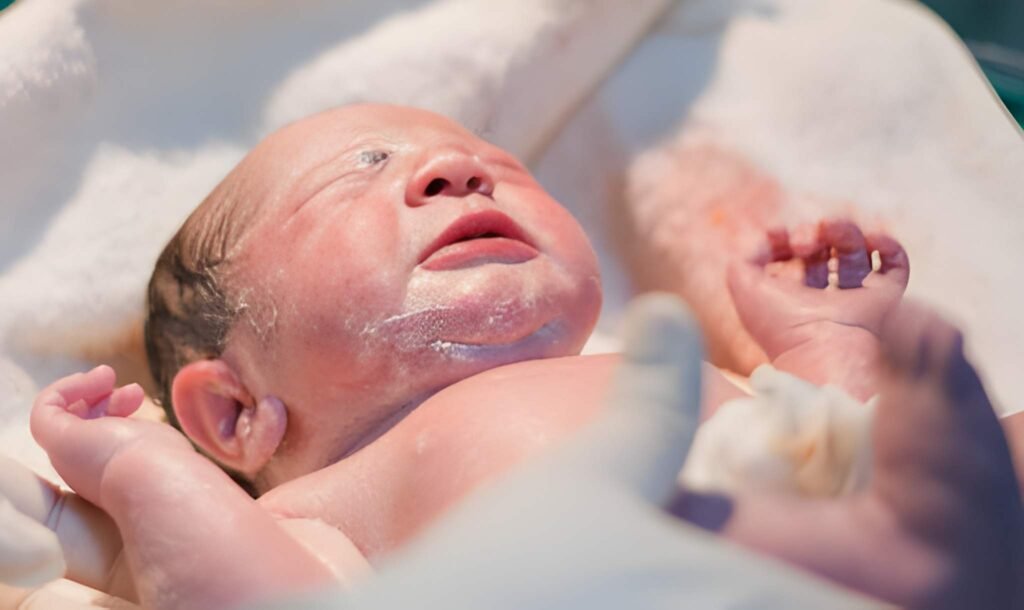
Challenging the Sterile Womb Theory
The prevailing medical consensus once suggested that infants emerge from a completely sterile uterine environment. Clinical specialists now recognize that the process of bacterial colonization likely begins before the first breath. Research utilizing high-sensitivity genetic sequencing identifies non-pathogenic bacterial DNA in placental tissue and amniotic fluid. This suggests that the maternal-fetal interface allows for a controlled priming of the fetal immune system.
This initial "pre-seeding" serves as a gentle introduction. It prepares the fetal gut lining (the epithelium) for the massive, rapid influx of bacteria that occurs during the transition from intrauterine to extrauterine life. This biological hand-off ensures the infant does not meet the microbial world as a total stranger. Instead, the newborn arrives with a rudimentary "immune memory" of maternal flora.
Critical Seeding Events in the First Hour
The first 60 minutes of life, often termed the Golden Hour, represent a massive microbial transfer. The mother serves as the primary donor, providing a diverse library of bacteria via three distinct pathways. Each pathway contributes a different set of specialized organisms that colonize the infant's skin, mouth, and digestive tract.
During a vaginal birth, the infant encounters Lactobacillus and Bifidobacterium. These "pioneer" species lower the gut pH, creating an acidic environment that kills off dangerous pathogens like E. coli.
Placing the newborn directly on the mother's chest transfers Staphylococcus and Corynebacterium. These bacteria populate the skin, preventing harmful hospital-acquired infections from taking root.
The Delivery Divide: Vaginal vs. Cesarean
The mode of delivery creates the single most significant variation in early microbial signature. Clinicians observe a "C-section signature" that persists for several months. While modern medicine often requires surgical intervention for safety, the resulting microbial shift warrants proactive attention from parents and pediatricians.
| Feature | Vaginal Delivery | Cesarean Delivery |
|---|---|---|
| Primary Pioneers | Lactobacillus, Prevotella | Staphylococcus, Propionibacterium | Bacterial Diversity | High from Day 1 | Initially Lower; delayed 6-12 months |
| Gut Acidity | Rapid drop in pH | Slower pH stabilization |
| Antibiotic Exposure | Low | High (maternal prophylaxis) |
Breast Milk: A Multi-Generational Symbiosis
Breast milk serves a dual purpose: it feeds the baby and it feeds the bacteria. Human Milk Oligosaccharides (HMOs) are complex sugars that the infant cannot digest. Their only purpose in nature is to act as a prebiotic for Bifidobacterium infantis.
When B. infantis consumes these HMOs, it releases short-chain fatty acids (SCFAs). These SCFAs provide energy for the infant's gut cells and tighten the cellular junctions in the intestine. This prevents "leaky gut" and significantly reduces the risk of necrotizing enterocolitis in premature infants.
The Immune Training School
The microbiome acts as a primary instructor for the neonatal immune system. In the first year, the body must learn the difference between "self," "friend" (beneficial bacteria), and "foe" (pathogens). This training occurs through continuous cross-talk between the microbes and the Gut-Associated Lymphoid Tissue (GALT).
Specific bacteria stimulate the production of Regulatory T-cells. These cells act as the "brakes" of the immune system, ensuring the body does not overreact to harmless particles like pollen or peanut proteins.
Beneficial microbes maintain a balance between pro-inflammatory and anti-inflammatory cytokines. An imbalance here in early life is strongly linked to the development of childhood asthma and eczema.
Environmental Factors: Siblings, Pets, and Dirt
The socioeconomic and environmental context of a child's household directly impacts microbial diversity. The "Hygiene Hypothesis" has evolved into the "Old Friends Hypothesis," which suggests that exposure to a wide variety of non-harmful environmental microbes is essential for health.
Infants living in households with older siblings or furry pets (specifically dogs) show higher levels of Oscillospira and Ruminococcus. These bacteria are associated with a leaner body mass later in life and a reduced likelihood of developing food allergies. Conversely, infants in highly sanitized, urban environments with frequent use of household disinfectants often show narrower microbial profiles.
Diversity = Number of unique species × Evenness of distribution.
Clinical specialists aim for high diversity by age 2. Every new exposure—whether it is a family pet, a walk in the park, or the introduction of a new fibrous food—adds a "layer" to this biological shield.
The Gut-Brain Axis in Early Development
Perhaps the most fascinating area of recent study is the link between colonization and neurodevelopment. The gut microbiome produces neurotransmitters, including serotonin and GABA. These chemicals communicate with the brain via the vagus nerve.
In the healthy newborn, early colonization by Bifidobacterium and Lactobacillus supports the production of Brain-Derived Neurotrophic Factor (BDNF). BDNF is essential for the growth of new neurons and the formation of synapses. Disruption of early colonization has been linked in preliminary studies to variations in stress response and social behavior during the toddler years.
Supporting the Microbiome: Clinical Care Guidelines
As a child and mother specialist, I recommend specific, actionable steps to support this biological foundation during the first six months of life.
- Prioritize the Golden Hour: Avoid bathing the baby immediately. Let maternal skin microbes settle for at least 6 to 12 hours.
- Judicious Antibiotic Use: If the mother or infant requires antibiotics, discuss a high-quality infant probiotic (specifically B. infantis) with your pediatrician.
- Diverse Skin Exposure: Encourage siblings and both parents to engage in skin-to-skin contact.
- Environment: Do not over-sanitize. Standard cleaning with soap and water is preferable to heavy antimicrobial agents in the nursery.
Colonization is not a one-time event but a multi-year assembly process. By viewing the newborn as a burgeoning ecosystem rather than a sterile vessel, we can make choices that empower the child's immune system, metabolic health, and neurological development for decades to come.