The First Trimester: Core Foundation and Maternal Transformation (Weeks 1-13)
Navigating the Embryonic Period, Hormonal Storms, and Critical Care
Table of Contents
The first trimester, spanning from the first day of the last menstrual period (LMP) up to the end of Week 13, represents the most intense period of biological change for both the developing life and the pregnant individual. It is a time of profound, rapid transformation, establishing the fundamental structural foundation of the entire pregnancy. While often characterized by challenging physical symptoms, the work occurring at the cellular level is a monumental achievement.
Defining the First Trimester (LMP to Week 13)
This phase is divided into two major biological stages: the embryonic period (Weeks 3-8), when all major organ systems are created, and the fetal period (starting Week 9), when the systems begin to refine and function. Due to the completion of primary organogenesis by Week 10, the first trimester carries the highest risk of miscarriage. Understanding this biological timeline allows for confident engagement with necessary lifestyle modifications.
Fetal Development: Organogenesis
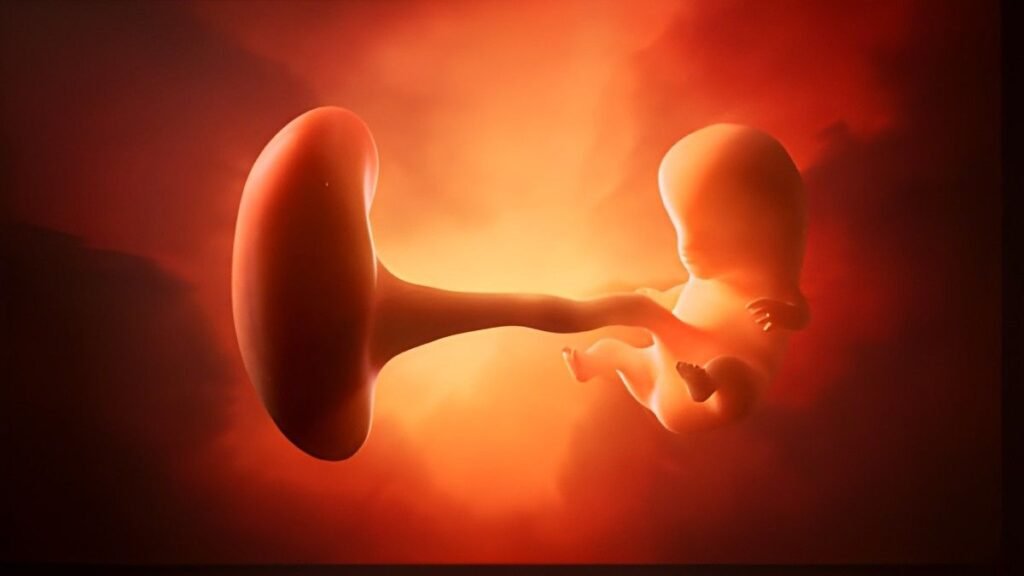
In the span of just ten weeks (Week 3 through Week 13), the embryo evolves from a cluster of cells into a recognizable miniature human, measuring approximately three inches long.
Weeks 3 to 6: Blueprint and Beginnings
The earliest weeks focus on establishing the primary structures:
- Neural Tube: The brain and spinal cord start to form from the embryonic ectoderm layer. This closure process requires adequate folic acid.
- Heartbeat: The heart tube is operational and pumping blood, with a detectable heartbeat appearing around Week 6.
- Placenta Formation: The placenta and umbilical cord structure begin to form, establishing the crucial lifeline for nutrient exchange and waste removal.
- Limb Buds: Small buds appear that will eventually differentiate into arms and legs.
Weeks 7 to 10: Refinement and Organ Completion
During this stage, the risk profile begins to shift, and the external appearance becomes distinctly human:
- Limb Elongation: Fingers and toes separate. Elbows, wrists, and knees form and are capable of movement.
- Major Organs: The kidneys, liver, lungs, and digestive tract are fully formed and begin performing basic functions.
- Eyes and Ears: Features refine, and the eyes, though closed, are positioned on the face. The nervous system begins maturing its circuitry.
Weeks 11 to 13: Transition to Fetus
By Week 12, the embryonic period ends, and the developing life is officially designated a fetus. All critical structures are in place, reducing vulnerability to structural birth defects. The focus shifts to growth and maturation. The fetus can now swallow, kick, and is capable of generating urine.
Maternal Symptoms: The Hormonal Storm
The intensity of first-trimester symptoms is primarily a physiological consequence of the rapid increase in two main hormones: Human Chorionic Gonadotropin (hCG) and Progesterone. These symptoms are a sign that the body is successfully adapting to sustain the pregnancy.
Nausea and Vomiting (Morning Sickness)
The most iconic first-trimester symptom, typically peaking between Weeks 9 and 12. It is thought to be triggered by the surge in hCG. While often called "morning sickness," it can occur at any time of day or night. For most, managing this involves eating small, bland meals frequently and focusing on hydration.
Profound Fatigue and Mood Swings
Exhaustion is pervasive, driven by high progesterone levels (a natural sedative) and the massive increase in blood volume required to form the placenta. Mood shifts are common due to hormonal fluctuation, coupled with sleep disruption and physical discomfort. Prioritizing rest and naps is not optional; it is essential biological work.
Breast Tenderness and Urinary Frequency
Breasts often become extremely tender and swollen as glandular tissue prepares for lactation, starting as early as Week 4. Urinary frequency increases significantly as hCG boosts blood flow to the kidneys, increasing fluid processing, and the expanding uterus begins to press on the bladder.
Understanding First Trimester Pains and Aches
Experiencing abdominal aches, cramps, or sharp pains in the first trimester is extremely common and, in most cases, does not signal a complication. These sensations are often side effects of the rapid biological changes necessary to establish the pregnancy. It is vital to learn to distinguish between these normal, adaptive pains and the few warning signs that require immediate medical attention.
Benign and Expected Pains
The majority of first-trimester discomfort is caused by two main factors: hormonal shifts affecting digestion and the physical mechanics of the growing uterus.
Gas, Bloating, and Digestive Cramps
Progesterone causes the smooth muscles of the entire gastrointestinal tract to relax, slowing digestion. This leads to increased gas accumulation and chronic constipation, which can cause surprisingly sharp and intense cramps that often feel like deep uterine contractions. These pains tend to move around, may be relieved by passing gas or a bowel movement, and are not accompanied by heavy bleeding.
Uterine Stretching and Implantation Pain
The uterus, which starts small like a pear, must rapidly grow to the size of a grapefruit by the end of this trimester. This quick expansion can cause occasional, dull, heavy aching, particularly noticeable when the body is at rest. Implantation itself (around Week 3/4) can cause very mild, brief cramping described as pulling or twinges, often accompanied by light spotting.
Early Round Ligament Sensation
Although classic Round Ligament Pain (RLP) is more common in the second trimester, some individuals experience early sensations as the ligaments begin to thicken and lengthen to support the uterus. This pain is typically a brief, sharp, shooting sensation on one or both sides of the lower abdomen, often triggered by a sudden movement like sneezing or coughing.
When to Seek Medical Evaluation
While discomfort is normal, certain combinations of pain and secondary symptoms require urgent medical review to rule out serious conditions like ectopic pregnancy or threatened miscarriage. The key distinction is the intensity, persistence, and association with bleeding.
| Symptom Pattern | Action Required | Potential Concern |
|---|---|---|
| Severe, Constant, Rhythmic Cramping | Contact provider immediately. | Threatened or inevitable miscarriage. |
| Sharp, Intense, One-Sided Pain | Seek emergency care. | Ectopic pregnancy (especially Weeks 5-10). |
| Any Pain with Moderate to Heavy Bleeding | Contact provider immediately. | Threatened miscarriage or cervical/vaginal complication. |
| Pain with Fever/Dizziness | Seek emergency care. | Infection (e.g., serious UTI) or internal bleeding. |
The Critical Health and Safety Checklist
The initial prenatal visit, usually between Weeks 8 and 10, establishes the foundational care plan. The focus is on safety, screening, and ensuring the proper building blocks are in place.
- Prenatal Vitamins: Essential to start immediately. Folic acid (400-800 mcg daily) is non-negotiable for neural tube health. Iron and Calcium are also key components.
- Teratogen Avoidance: Strict abstinence from alcohol, tobacco, and recreational drugs. Consult the care provider about all existing medications, including over-the-counter pain relievers and supplements.
- Dietary Adjustments: Avoid high-mercury fish (e.g., shark, king mackerel) and unpasteurized dairy or soft cheeses due to the risk of listeriosis. Focus on whole foods and consistent hydration.
- Genetic Screening: Discussions regarding early genetic screening options, such as Noninvasive Prenatal Testing (NIPT) or carrier screening, are standard during this trimester.
Interactive Symptom Management Tool
Understanding which home remedies can alleviate the most common first-trimester symptoms provides a sense of control. Use the tool below to receive immediate, practical management advice.
Select Your Most Troublesome Symptom:
Partner and Emotional Adaptation
The emotional landscape of the first trimester is complex, involving both excitement and significant anxiety due to the high initial risk. Partners play a foundational role in support during this physically taxing time.
Practical Support Strategies for Partners
- Managing Triggers: Take over cooking or grocery shopping if food aversions or strong smells (common in Week 5-10) trigger nausea.
- Facilitating Rest: Assume responsibility for household chores and errands to ensure the pregnant individual can access necessary rest without feeling guilty or burdened.
- Listening and Validating: Acknowledge the emotional fluctuations and physical discomforts without attempting to minimize them. Provide reassurance and focus on celebrating the small, daily milestones.
Conclusion: Entering the Next Phase
Successfully navigating the first trimester means clearing the period of most intensive cellular and structural development. Once Week 13 arrives, the embryonic period is over, nausea often subsides, and the risk of miscarriage drops significantly. This transition heralds the start of the "honeymoon period" of pregnancy—the second trimester—which promises renewed energy and the exciting physical awareness of fetal movement. By focusing on safety, nutrition, and compassionate self-care during these initial 13 weeks, you establish the optimal environment for a healthy journey ahead.