The Definitive Look
The First Ultrasound Scan: Dating and Viability Assessment
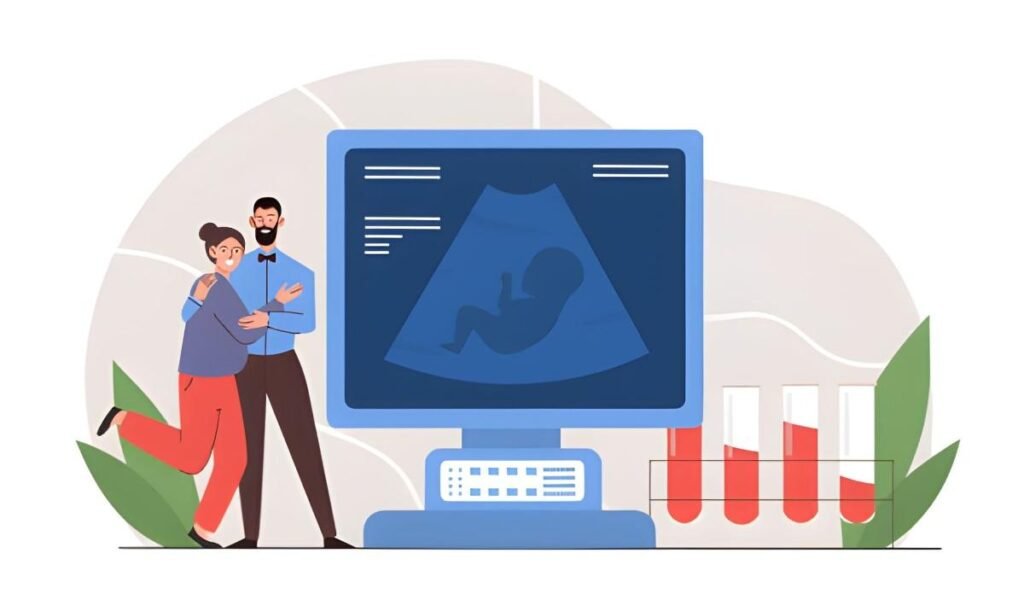
The first comprehensive ultrasound scan is a pivotal moment in the pregnancy journey. Typically performed between 6 and 12 weeks gestation, this examination moves beyond simple confirmation to provide essential, objective data about the developing pregnancy. This scan is the gold standard for dating, assessing viability, and ensuring the pregnancy resides safely within the uterus. Understanding the specific measurements and milestones the sonographer targets during this critical window helps set clear expectations and provides a framework for interpreting the results with confidence.
Table of Contents
Timing: The Optimal Window
The ideal time for the first comprehensive scan is dictated by the need for clear visualization and accuracy. Scanning too early (before 6 weeks) risks inconclusive results, while waiting too long reduces the accuracy of fetal dating.
Weeks 6 to 9: The Viability Focus
Scans performed during this window prioritize confirming viability. The key measurement, the Crown-Rump Length (CRL), is the most accurate dating method during this time. The embryo develops rapidly, allowing the sonographer to identify the essential internal structures.
Weeks 10 to 12: The Comprehensive View
This later period is often chosen to combine the dating scan with nuchal translucency (NT) screening, if desired. The NT measurement assesses the clear space in the tissue at the back of the fetal neck, providing part of the first-trimester screening for chromosomal conditions like Down syndrome. At this stage, the CRL remains highly accurate.
Assessing Viability: Heartbeat and Structure
Viability is confirmed by two primary observations: the presence of a fetal heartbeat and the consistent growth of the embryonic structures.
The Fetal Heart Rate (FHR)
The fetal heart typically starts beating around 6 weeks gestation. By 8 weeks, the heartbeat is reliably detected. The FHR increases rapidly, starting around 100 beats per minute (bpm) at 6 weeks and peaking around 9-10 weeks at 170-180 bpm, before settling down.
Expected Fetal Heart Rate Range (Approximate)
- 6 Weeks: 100-120 bpm
- 8 Weeks: 140-160 bpm
- 10 Weeks: 160-170 bpm
- 12 Weeks: 140-160 bpm
A consistent, expected heart rate provides strong reassurance regarding the pregnancy's health.
Yolk Sac and Gestational Sac
The sonographer confirms the size and relationship of the gestational sac (the fluid-filled home) and the yolk sac (the primary early nutrient source). Discrepancies between the size of these sacs and the CRL measurement can signal developmental concerns and prompt further monitoring.
Establishing the Definitive Due Date
Dating the pregnancy precisely is the most important function of the first scan. The measurement taken, the Crown-Rump Length (CRL), offers unmatched accuracy in the first trimester.
The Crown-Rump Length (CRL)
The CRL measures the longest length of the embryo, from the top of the head (crown) to the bottom of the torso (rump). During the 6-to-12-week window, the rate of growth is standardized across all fetuses, meaning the CRL is a direct proxy for gestational age (GA).
CRL Accuracy vs. LMP Dating
If the date derived from the CRL differs significantly from the date calculated using the Last Menstrual Period (LMP)—typically by seven days or more—the medical team uses the ultrasound date to establish the official Estimated Due Date (EDD). This practice ensures better management later in pregnancy, particularly when assessing post-term status or planning necessary interventions.
Interactive Tool: Due Date Discrepancy Calculator
Dating Comparison Tool
Compare the difference between your LMP calculation and the CRL scan date.
Transvaginal vs. Abdominal Approach
The method used for the first scan depends entirely on the gestational age and the clarity required.
Necessity of Transvaginal Ultrasound (TVUS)
If the scan is performed early, generally before 8 weeks, the embryonic structures are microscopically small. The transvaginal probe is positioned closer to the uterus, offering higher resolution images crucial for identifying the faint heartbeat, the yolk sac, and precise CRL measurements. The abdominal approach often provides inconclusive results during this early window.
Transition to Abdominal Ultrasound
As the uterus grows larger and rises further out of the pelvis, typically after 8 to 10 weeks, the abdominal approach becomes effective and is often preferred. By this time, the fetus and gestational sac are large enough to be clearly viewed through the abdominal wall, eliminating the need for the transvaginal procedure.
Beyond Dating: Ruling Out Complications
The first scan is not merely a dating exercise; it is an essential diagnostic tool for identifying high-risk scenarios early on.
Identifying Ectopic Pregnancy
The earliest scan definitively confirms the location of the pregnancy. If a gestational sac is seen in the uterus, an ectopic (tubal) pregnancy is ruled out. If the sac is not seen in the uterus, and the hormone levels (hCG) are above the expected threshold, an ectopic pregnancy must be investigated immediately.
Detecting Multiples
The first scan identifies twins, triplets, or more. Crucially, it determines chorionicity and amnionicity—whether the multiples share a placenta (monochorionic) and an amniotic sac (monoamniotic). Pregnancies with shared placentas carry higher risks and require specialized monitoring starting immediately.
| Observation Point | Normal Finding (6-12 Weeks) | Clinical Significance |
|---|---|---|
| Location | Gestational sac confirmed in uterine cavity. | Rules out life-threatening ectopic pregnancy. |
| CRL Measurement | Measurement matches gestational age within 7 days. | Definitively establishes the due date. |
| Fetal Heart Activity | Heartbeat detected and falls within expected FHR range. | Confirmation of viability and lower risk of miscarriage. |
| Number of Sacs | Clear identification of one or more gestational sacs. | Defines care pathway for single or multiple gestations. |
Practical Preparation for the Scan
A small amount of preparation helps ensure the best possible imaging conditions for the sonographer and a more comfortable experience for the patient.
Bladder Requirements
For scans performed between 8 and 12 weeks via the abdominal approach, a full bladder helps push the uterus higher out of the pelvis, improving visibility. If the scan is very early (6-8 weeks) and uses the transvaginal approach, the bladder often needs to be empty or only partially full. Always confirm the specific requirement with the scheduling clinic beforehand.
Communicating History
Bring the most accurate start date of your last menstrual period (LMP) and any history of early symptoms or bleeding. Providing this clinical background allows the sonographer and provider to interpret the images in context.
The first ultrasound scan is a fundamental checkpoint, transforming the pregnancy from a set of calculated dates into a visual reality. By understanding the criteria used for dating and viability, you engage actively in your prenatal care, using the scan's precise data to lay a secure foundation for the months ahead.