Wisdom, Weariness, and Wondrous Growth
The Fourth Pregnancy: Navigating Unique Physical Realities and Complex Family Dynamics
Table of Contents
The Experienced Body: Physical Realities of Parity Four
A fourth pregnancy occurs within a body that has already undergone massive structural and physiological adaptations. This existing "memory" affects everything from symptom onset to physical discomfort. While the wisdom gained from previous pregnancies provides confidence, the physical demands are significantly higher due to cumulative changes in musculature and connective tissue.
The Quickening and Showing Shift
- Earlier Quickening: Experienced mothers recognize fetal movement much earlier, often as early as 13–15 weeks, compared to 18–20 weeks in a first pregnancy.
- Faster Showing: The uterus and abdominal wall muscles (which may already have some degree of **diastasis recti** or separation) have relaxed more quickly due to previous pregnancies. The baby bump typically becomes visible much sooner, often well before the end of the first trimester.
Physical Challenge: Increased laxity in the ligaments and abdominal walls means common discomforts like **Round Ligament Pain** and **Pelvic Girdle Pain (PGP)** often start earlier and are more pronounced. Proactive use of pelvic support belts and core stabilizing exercises is non-negotiable for comfort.
Labor and Delivery Dynamics
Multiparous women (those who have given birth multiple times) often experience labor differently than primiparous (first-time) mothers. The body's "muscle memory" typically translates to faster cervical dilation and effacement.
The Speed of Labor
Subsequent labors are, on average, shorter than the first. However, the intensity can be rapid, requiring expectant parents to adhere to an even stricter **hospital timeline** than before. False labor signs may also be more difficult to distinguish, as Braxton Hicks contractions can become stronger and more frequent.
Postpartum Uterine Tone
While delivery may be faster, the uterus that has stretched four times may struggle more to contract back down after delivery. This can lead to more intense **afterpains** in the postpartum period as the body works hard to achieve adequate uterine tone and prevent postpartum hemorrhage (PPH), a higher risk in grand multiparity (five or more births, though monitoring increases after three).
Emotional Shifts: Guilt, Detachment, and Joy
The emotional landscape of a fourth pregnancy is complex, blending experienced confidence with logistical stress and sometimes, unexpected feelings of guilt or emotional detachment.
The Guilt of Less Focus
It is common for the mother to feel guilt that she cannot dedicate the same emotional energy, time, or planning to this baby as she did to the first. The reality of managing three existing children often means prenatal journaling, extensive research, and specialized prenatal yoga are replaced with carpool schedules and bedtime routines. This **detachment is often protective and necessary**, allowing the mother to conserve energy for the family unit.
Experienced Calm and Realistic Joy
Conversely, experienced parents are often calmer about minor symptoms or potential risks, leading to a more peaceful pregnancy overall. The joy is rooted in a realistic understanding of the baby's impact on family life, replacing abstract fantasies with grounded anticipation.
Interactive: Time and Energy Budgeter
The greatest challenge in a subsequent pregnancy is managing the limited resource of time and energy, which must be stretched across the pregnancy and three or more existing children. Use this tool to visualize where your energy is allocated.
Allocate 100% of Your Daily Energy (Trimester 3)
Integrating the New Sibling into the Family Unit
The arrival of a fourth child requires careful management of the existing family hierarchy. Older children often react with a mix of excitement, confusion, and potential regression due to the shift in parental attention.
Preparing Multiple Siblings
Involve older siblings in manageable, non-pressure tasks appropriate for their age. They can help choose clothes, organize toys, or pack the hospital bag. The goal is to reinforce their role as the "big kids" who are helping, rather than focusing on the "loss" of parental time. Openly discuss the reality of newborn life—the constant crying, feeding, and sleeping—to temper unrealistic expectations of an instant playmate.
Antenatal Care: Focused Monitoring and Risk
While routine prenatal care is similar, the frequency of checkups and the intensity of monitoring for specific complications increase significantly in higher-order pregnancies (four or more).
Elevated Medical Risks (Parity Four)
Due to the cumulative changes in the cardiovascular system and the uterus, grand multiparity is associated with increased risks, necessitating close monitoring:
- Placenta Accreta/Previa: The risk of the placenta implanting too deeply (accreta) or too low (previa) increases with each subsequent pregnancy, requiring early ultrasound monitoring of placental placement.
- Hemorrhage Risk: Postpartum Hemorrhage (PPH) is a higher risk, as the uterus may struggle to contract efficiently after delivery (uterine atony). Providers often administer preventative medications immediately post-delivery.
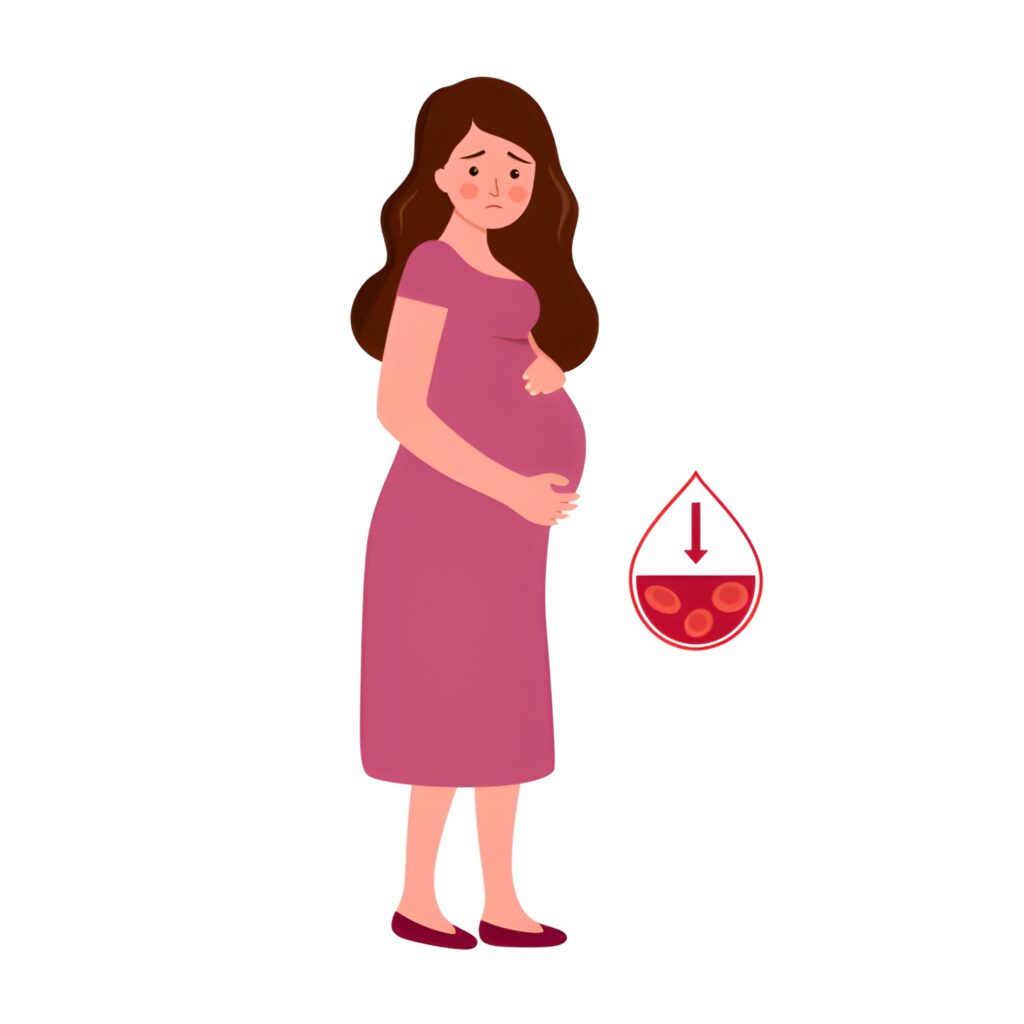
- Anemia: Maternal iron deficiency anemia is common due to multiple pregnancies, requiring consistent iron supplementation and frequent blood counts.
Essential Nutrition and Recovery Support
The nutritional demands of the fourth pregnancy are immense, requiring meticulous planning to restore and sustain maternal reserves while providing for the growing fetus.
Prioritizing Iron and Protein
Focus heavily on **Iron** (to prevent or manage anemia) and **Protein** (essential for muscle repair, fetal growth, and postpartum recovery). Adequate Vitamin D and Calcium intake are also vital, as the fetal skeleton requires resources that the maternal body must readily supply without drawing excessively from the mother's bone density.
| Nutrient | Role in Fourth Pregnancy | Impact on Postpartum |
|---|---|---|
| Iron | Supports massive blood volume expansion (50% increase). | Prevents chronic fatigue and aids hemorrhage recovery. |
| Protein | Repairs stretching muscles and maintains tissue integrity. | Crucial for wound healing (C-section or tearing) and milk production. |
| Fiber/Hydration | Manages increased constipation risk. | Prevents hemorrhoid flare-ups and supports urinary health. |
Socioeconomic Logistics and Delegating Care
The single greatest logistical challenge for a fourth pregnancy is managing the household during the rapid labor, hospital stay, and immediate postpartum period. This requires significant delegation.
The Necessity of Delegation
Unlike a first pregnancy where the focus is inward, the fourth demands a robust, external support system. Proactively delegate:**
- Childcare Backup: Establish a primary and secondary plan for childcare during labor (which may be fast) and the entire hospital stay.
- Meal Preparation: Organize a meal train or freeze large batches of family meals before Week 36 to ensure the existing children are fed easily postpartum.
- Housekeeping: Delegate or hire temporary help for housekeeping, freeing the mother to focus solely on rest, recovery, and the newborn.
A fourth pregnancy offers the rare perspective of experience—you know what truly matters and what can be ignored. Lean on the wisdom gained from past deliveries, prioritize maternal rest above nesting perfection, and confidently delegate the logistics. This final journey is about simplifying the process to maximize the joy of welcoming the newest member of your large family.