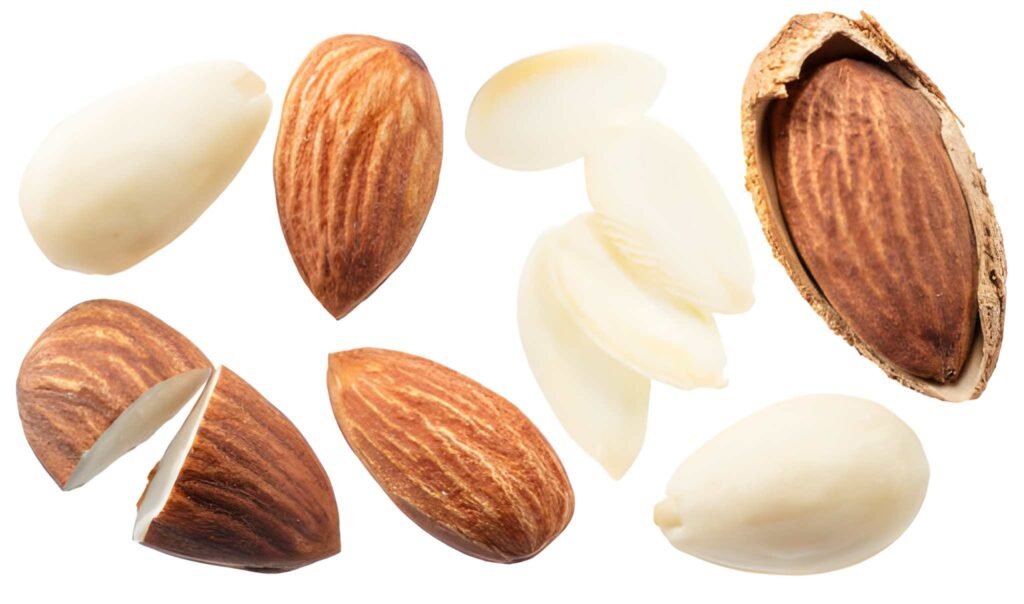
The Nutritive Power of Almonds in Lactation: A Clinical Analysis of Safety and Benefits
In the early stages of motherhood, every dietary choice undergoes scrutiny for its potential impact on the nursing relationship. Almonds frequently appear in traditional health lore as a superior food for lactation, yet modern parents often question if these nuts present risks for infant allergies or digestive distress. Scientifically, almonds provide an exceptional concentration of monounsaturated fats, plant-based proteins, and essential minerals that align perfectly with the metabolic demands of human milk synthesis. Rather than being bad for breastfeeding, almonds serve as a foundational "superfood" that supports maternal neurological health and infant brain development.
As a child and mother specialist, I prioritize evidence-based nutrition over cultural myths. Correct consumption of almonds—whether raw, as milk, or as butter—facilitates the production of high-quality milk while helping the mother manage postpartum fatigue. This guide provides a detailed clinical exploration of the almond’s nutritional profile, examines the rare reality of infant sensitivities, and offers strategies for integrating this powerful resource into a sustainable nursing diet.
Table of Contents
1. The Biological Makeup: Why Almonds Support Lactation
Human milk production is a metabolically expensive process, requiring approximately 500 additional calories per day. Almonds offer a dense source of these calories, but their value extends beyond simple energy. They contain a specific balance of macronutrients and micronutrients that directly influence the quality of the milk and the resilience of the mother's nervous system.
Macronutrient Density per Ounce
A single ounce of almonds (approximately 23 nuts) delivers a powerful nutritional payload. The fats found in almonds are primarily monounsaturated, similar to those found in olive oil, which are essential for the neurological development of the infant. The high protein content supports the repair of maternal tissues during the sensitive postpartum window.
| Nutrient | Amount per 1 oz | % of Nursing Daily Value (DV) | Role in Lactation |
|---|---|---|---|
| Healthy Fats | 14 grams | 22% | Caloric density and brain development. |
| Protein | 6 grams | 12% | Cellular repair and milk protein synthesis. |
| Calcium | 76 mg | 8% | Protects maternal bone density. |
| Vitamin E | 7.3 mg | 37% | Antioxidant protection for milk lipids. |
| Magnesium | 77 mg | 19% | Regulates blood sugar and nervous system. |
2. The Galactagogue Question: Do Almonds Increase Supply?
In many cultures, almonds are classified as galactagogues—substances that promote or increase the flow of breast milk. While clinical double-blind studies on almonds specifically are limited, the biological mechanism for this claim is rooted in the almond's high concentration of essential fatty acids and amino acids.
The Tryptophan Connection: Almonds are a natural source of tryptophan, an amino acid that the body uses to produce serotonin. Serotonin, in turn, influences the release of Prolactin, the primary hormone responsible for making milk. By supporting a healthy serotonin level, almonds may indirectly facilitate a more robust and responsive milk supply.
3. Managing Risks: Allergies and Infant Sensitivity
The most common reason parents avoid almonds is the fear of inducing a nut allergy in their infant or causing "gassy" behavior. Current clinical guidelines from the American Academy of Pediatrics (AAP) suggest that for the vast majority of infants, maternal consumption of nuts during breastfeeding is not only safe but may actually be protective against future allergy development.
Recent research indicates that early exposure to potential allergens through breast milk can help prime the infant's immune system. Unless the mother herself has a documented almond allergy, there is no clinical reason to avoid almonds. Excluding them "just in case" may deprive the infant of the opportunity to build tolerance. If your family has a strong history of severe peanut or tree nut allergies, consult a pediatric allergist, but for most, almonds are a safe and recommended choice.
Gas in breastfed infants is typically caused by swallowing air during a latch issue or an overactive let-down, rather than the mother’s diet. Unlike dairy or soy proteins, which can sometimes cross into milk and cause sensitivity, almond proteins are generally well-tolerated. If you notice your baby is exceptionally fussy after you eat almonds, look for a pattern over three separate occasions. Most "reactions" are coincidental developmental phases (like the 6-week peak of crying) rather than a response to your intake.
4. Postpartum Recovery: Energy and Bone Health
Breastfeeding can lead to a state of maternal depletion if nutrients are not replaced as quickly as they are exported to the milk. Almonds play a critical role in two specific areas of postpartum health: glucose stability and bone preservation.
Blood Sugar Regulation
The high fiber and healthy fat content of almonds slow the absorption of carbohydrates. This prevents the "blood sugar roller coaster" that causes intense postpartum mood swings and energy crashes between feedings.
Protecting Bone Density
If you do not consume enough calcium while nursing, your body will pull calcium from your own bones to ensure the milk is sufficient for the baby. Almonds provide a plant-based calcium boost that helps preserve your skeletal integrity.
Magnesium and Sleep
Magnesium is essential for muscle relaxation and nervous system calm. Since nursing often involves sleep deprivation, the magnesium in almonds can help you achieve deeper rest during the short windows when you are able to sleep.
5. Comparing Delivery Methods: Raw vs. Milk vs. Butter
How you consume almonds matters for nutrient absorption. While almond milk is a popular dairy alternative, it often lacks the protein and fiber found in the whole nut.
| Form | Best For | Nutrition Note |
|---|---|---|
| Whole/Raw Almonds | Satiety and Fiber | Provides the maximum amount of fiber and protein. Best for energy. |
| Almond Butter | Bioavailability | The grinding process breaks down cell walls, making the fats easier to absorb. |
| Almond Milk | Hydration | Mostly water. Ensure it is "Unsweetened" and "Fortified" with Calcium and Vitamin D. |
| Roasted/Salted | Cravings | Provides the same nutrients, but high sodium can worsen postpartum swelling. Use in moderation. |
6. Professional Integration Strategies
To maximize the benefits of almonds without overconsuming calories, follow these specialist-recommended integration strategies:
The "Handful Habit"
Aim for one handful (approx. 1 ounce) of almonds daily. This amount provides the necessary micronutrients without contributing to excessive weight gain. Combine them with a piece of fruit to create a balanced snack that stabilizes energy for 3 to 4 hours.
Almond Milk as a Dairy Alternative
If you suspect your infant is sensitive to cow's milk protein (a common cause of true infant distress), unsweetened almond milk is an excellent alternative. It provides a creamy base for smoothies or oatmeal without the bovine proteins that can cause gut inflammation in sensitive babies.
A Specialist’s Secret: Soaking almonds overnight (activating) can make them even easier to digest. This process neutralizes phytic acid, which can otherwise bind to minerals and prevent their absorption. For nursing mothers with sensitive digestion, "sprouted" almonds are the gold standard.
Final Thoughts on Sustaining the Nursing Journey
Almonds are not just "safe" for breastfeeding; they are a strategic asset. By providing the high-quality fats required for infant brain growth and the minerals necessary for maternal recovery, they support the longevity of the breastfeeding relationship. Trust the nutritional density of the whole almond, ignore the myths regarding gas and colic, and focus on consistent, moderate intake to fuel the monumental task of nourishing your child.