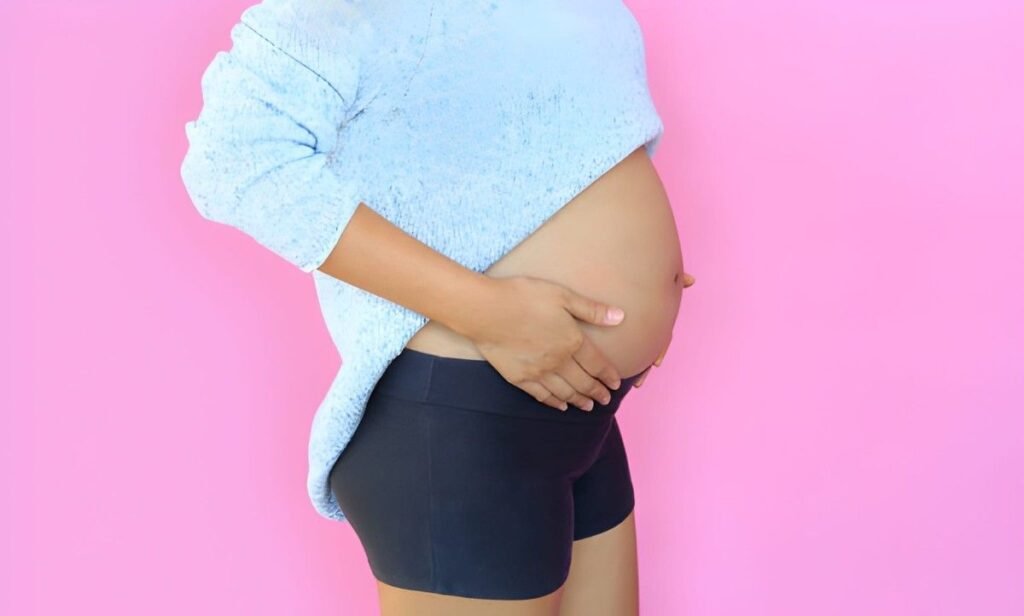
The Second Trimester Shift: Decoding 16 Week Pregnancy Cramps
Distinguishing Between Normal Growth Discomfort and Warning Signals
Table of Contents
Introduction: The 16-Week Landscape
Reaching 16 weeks means entering the sweet spot of pregnancy, the second trimester. Nausea often subsides, and energy levels typically return, but a new sensation frequently emerges: cramping. At this stage, cramping is overwhelmingly linked to the mechanical expansion of the uterus, rather than hormonal shifts or implantation. The uterus is growing rapidly and lifting out of the pelvis, shifting its position to accommodate the fast-developing fetus.
This rapid change stresses the supportive structures around the uterus, primarily the ligaments. Recognizing the difference between benign growth-related pain and cramps indicating a complication provides confidence throughout this period. Most pains experienced now are a sign your body is working precisely as it should.
The Primary Suspect: Round Ligament Pain (RLP)
The most common and characteristic cause of cramping pain around 16 weeks is Round Ligament Pain (RLP). The round ligaments are two bands of fibrous tissue that extend from the sides of the uterus down into the groin. Their function is to hold the uterus in its centered position.
The Mechanics of the Pain
As the uterus grows from the size of a lemon (first trimester) to the size of a cantaloupe (second trimester), these ligaments must stretch and thicken significantly. RLP occurs when the ligaments are strained by sudden movements. Think of them as rubber bands supporting a quickly inflating balloon; a swift change in the balloon's position causes the bands to snap taut, generating a sudden, sharp, shooting pain.
RLP is characterized by its location, duration, and triggers:
- Location: Sharp pain, usually felt low in the abdomen, extending into the groin area, often on the right side (though it can be bilateral).
- Duration: Brief and instantaneous. The pain lasts a few seconds—rarely more than a minute—and then disappears.
- Triggers: Sudden movements such as laughing forcefully, coughing, sneezing, rolling over in bed, standing up quickly, or stepping out of a car.
Interactive Quiz: Is it RLP?
Use this simple quiz to help assess if your symptoms align with typical Round Ligament Pain, a normal physiological occurrence at 16 weeks.
Uterine Growth and Positional Cramps
By 16 weeks, the uterus has expanded considerably and usually moves out of the pelvic basin, placing it slightly below the belly button. This physical shift affects many abdominal and digestive structures, leading to discomfort distinct from RLP.
Illustrative Uterine Size Comparison
Size of a small pear (about 3 inches long).
Size of a large orange or grapefruit.
Size of a large cantaloupe or small melon. Located just below the naval.
This rapid increase in volume exerts pressure on the bowels, bladder, and stomach, contributing to cramps that feel duller and longer-lasting than RLP.
Other Common, Non-Threatening Causes
Beyond ligament stretching, the 16th week of pregnancy often coincides with common digestive and structural changes that mimic uterine cramping. These causes are almost always benign, though uncomfortable.
Digestive Discomfort (Gas and Constipation)
Progesterone, the key pregnancy hormone, causes all smooth muscles in the body to relax, including the intestinal walls. This relaxation slows digestion, leading to trapped gas and chronic constipation. Gas pain can be surprisingly sharp and intense, often felt across the lower abdomen or high in the ribs. Unlike RLP, digestive cramps often respond slowly to movement or passing gas.
Early Braxton Hicks Contractions
While often associated with later pregnancy, some individuals begin to experience very infrequent and mild Braxton Hicks contractions (practice contractions) as early as the second trimester. These are typically described as a painless tightening or hardening of the uterus that lasts 30 seconds to a minute. They should be irregular, non-rhythmic, and generally disappear with a change in activity or position.
Bladder Pressure and Urinary Tract Infections (UTIs)
The growing uterus presses directly on the bladder. While this causes frequent urination, it can also lead to minor, pressure-related aches. However, pregnant women are more susceptible to asymptomatic UTIs. If cramping is accompanied by a burning sensation during urination, cloudy urine, or persistent urge to void, seek immediate testing as an untreated UTI can lead to more serious complications.
When Cramps Signal Concern (Urgent Signs)
While most 16-week cramping is normal, certain signs indicate the need for immediate contact with your healthcare provider. These symptoms involve changes in pattern, severity, and the presence of bleeding or fluid loss.
The Critical Warning Checklist
| Symptom Cluster | Characteristics | Indication |
|---|---|---|
| Rhythmic or Constant Pain | Cramps that occur regularly (e.g., every 5-10 minutes) or pain that does not resolve within an hour. | Potential preterm labor (though rare at 16 weeks) or severe underlying uterine issue. |
| Pain with Bleeding/Fluid | Severe cramping accompanied by bright red vaginal bleeding, or a gush/leak of clear fluid. | Potential miscarriage or rupture of membranes. Requires immediate emergency assessment. |
| Severe, One-Sided Pain | Intense pain confined to a single, localized spot that does not ease with rest. | Possible ectopic pregnancy (though rare after 12 weeks) or ovarian cyst complication. |
| Pain with Fever/Chills | Cramps accompanied by high fever (above 100.4°F or 38°C), chills, and body aches. | Severe infection (e.g., pyelonephritis from an untreated UTI). |
Effective Self-Care and Relief Strategies
Fortunately, RLP and common digestive cramps respond well to gentle interventions. Implementing these strategies proactively can minimize discomfort during this period of intense growth:
Managing Movement and Posture
- Preemptive Action: If you feel a sneeze or cough coming, bend over and flex your hips. This shortens the round ligaments and minimizes the jerk that causes the sharp pain.
- Slow Transitions: Avoid springing out of bed. Roll onto your side first, sit up slowly, and then stand. Use smooth, deliberate movements when changing positions.
- Stretching: Incorporate gentle pelvic tilts and prenatal yoga stretches to keep the ligaments flexible and the supporting muscles relaxed.
Hydration and Digestive Health
Combatting common digestive issues is a primary step in reducing secondary cramping:
- Increase Fiber and Water: Maintain excellent hydration (aim for 8-10 glasses of water daily) and consume high-fiber foods (whole grains, fruits, vegetables) to prevent constipation-related pain.
- Heat Therapy: Apply a warm compress or heating pad (set to low) to the cramped area. Ensure the temperature remains comfortable and never apply directly over the entire abdomen for prolonged periods; focus on the periphery.
- Rest and Elevation: Lying down on your side, particularly the left side, often improves blood flow to the uterus and can relieve pressure, easing discomfort.
Summary of the 16-Week Experience
The cramping experienced at 16 weeks gestation is a physical affirmation of a successful and growing pregnancy. While intense in the moment, the sharp, momentary pains of Round Ligament Pain are expected and not harmful to the baby. By differentiating between these brief sensations and persistent, rhythmic pain accompanied by fluid or bleeding, you effectively take control of your prenatal health journey. Always communicate openly and promptly with your care provider about any concerns regarding the intensity or pattern of your cramps.