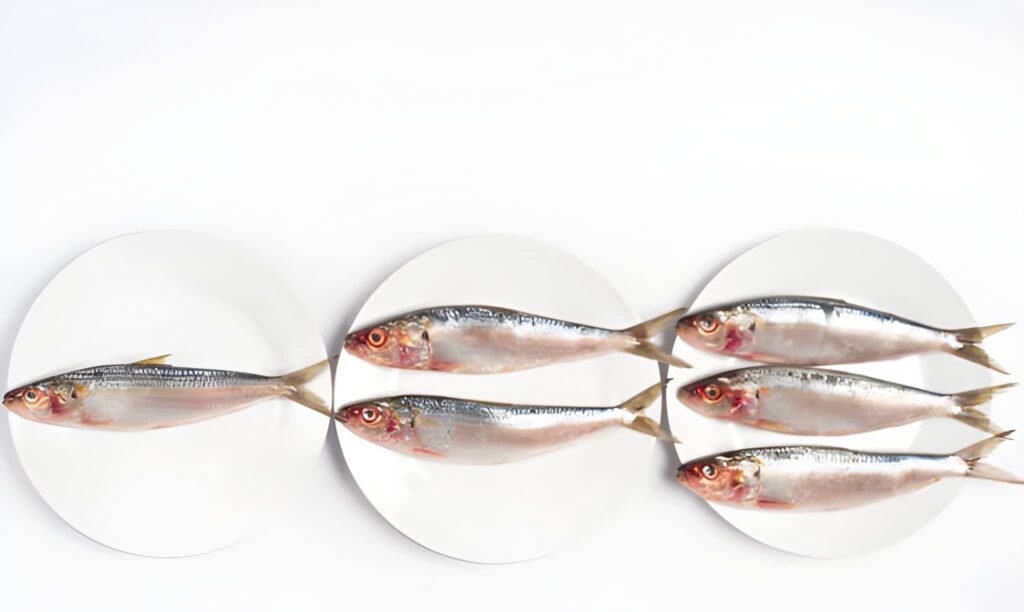
The Silver Standard: Sardines and the Lactation Journey
Exploring Omega-3 biology, mercury safety thresholds, and maternal bone recovery.
Biological Nutritional Density in the Fourth Trimester
The postpartum period, often referred to as the fourth trimester, represents a state of immense nutritional demand. As a specialist in child and maternal health, I find that few foods offer as concentrated a nutritional profile as the humble sardine. While larger fish like salmon often dominate the health conversation, sardines provide a unique biological advantage for the breastfeeding mother. They are not merely "good" for breastfeeding; they are arguably one of the most efficient ways to secure the micronutrients required for both maternal recovery and infant growth.
Lactation is an energy-intensive process that can consume up to 500 extra calories per day. However, it is not just the caloric load that matters, but the specific fatty acid profile of those calories. Sardines are exceptionally rich in long-chain polyunsaturated fatty acids, which are the primary structural components of the human nervous system. When a mother consumes these small, oily fish, she is directly influencing the biochemical composition of her breast milk, providing her infant with a "platinum-tier" nutritional foundation.
DHA and Infant Brain Architecture
The human brain experiences a massive growth spurt during the first year of life. Docosahexaenoic acid (DHA) is the primary Omega-3 fatty acid found in the brain and the retina of the eye. Since the infant cannot efficiently synthesize DHA on their own, they rely entirely on the maternal supply provided through breast milk.
Sardines are a direct-source of DHA. When a mother eats sardines, the levels of DHA in her milk surge within hours. Research consistently correlates higher maternal DHA intake with improved visual acuity, better sleep regulation, and enhanced cognitive processing in nursing infants. Unlike plant-based Omega-3s (like those in flax or chia), the DHA in sardines is already in its most bioavailable form, requiring no metabolic conversion by the mother or the child.
The Mercury Paradox: Why Small is Safer
A primary barrier for many nursing mothers is the fear of heavy metal contamination, specifically mercury. Methylmercury is a potent neurotoxin that can cross the blood-milk barrier and affect the infant's developing brain. However, this risk is almost entirely associated with bioaccumulation in long-lived, predatory fish.
Sardines occupy the bottom of the marine food chain. They feed primarily on plankton and do not live long enough to accumulate high levels of toxins in their tissues. This makes them a "Best Choice" seafood according to the FDA and EPA guidelines, specifically for pregnant and lactating women.
While a King Mackerel or Tilefish may contain mercury levels exceeding 1.0 parts per million (ppm), sardines typically register at 0.01 ppm. To reach the same mercury exposure as one serving of high-mercury fish, a mother would have to eat nearly 80 servings of sardines.
Maternal Bone Density and Calcium
During pregnancy and lactation, the maternal body prioritizes the infant's skeletal development, often leaching calcium from the mother’s own bones to ensure the milk remains nutritionally consistent. This can lead to a temporary decrease in maternal bone mineral density.
Most canned sardines are processed with their bones intact, which become soft and entirely edible during the canning process. These tiny bones are a powerhouse of bioavailable calcium and phosphorus. For a mother who may be dairy-sensitive or simply looking to protect her own long-term skeletal health, a single serving of sardines provides nearly 35 percent of the daily calcium requirement, alongside the Vitamin D necessary for its absorption.
B12, Vitamin D, and Postpartum Mood
The psychological dimension of the fourth trimester is often overlooked in dietary discussions. Postpartum mood disorders are complex, but nutritional deficiencies in Vitamin B12 and Vitamin D can exacerbate feelings of fatigue and anxiety.
Sardines contain over 300% of the daily value of B12. This vitamin is essential for nerve function and energy metabolism, helping to combat the profound exhaustion that accompanies newborn care.
One of the few natural food sources of Vitamin D. Adequate levels are linked to lower rates of postpartum depression and a more robust maternal immune response.
Accessibility and Economic Context
In the United States, high-quality nutrition is often associated with high cost. Fresh wild-caught salmon can be prohibitively expensive for many families. Sardines represent an equitable nutritional solution. Canned sardines are shelf-stable, widely available in rural and urban "food deserts," and are frequently eligible for purchase through programs like SNAP.
As a specialist, I emphasize that the health benefits of sardines are not reserved for those with high disposable income. A two-dollar can of sardines provides more high-value nutrients than many twenty-dollar restaurant entrees. This accessibility ensures that every breastfeeding mother, regardless of socioeconomic standing, has a tool to secure her infant's cognitive development and her own physiological recovery.
Metabolic Calculations: DHA Transfer
To understand the efficacy of sardines, we can look at the "math" of DHA transfer. The goal for a lactating mother is to provide approximately 200mg to 300mg of DHA per day to her infant through the milk.
Preparation and Culinary Selection
While the nutritional profile is impeccable, some mothers struggle with the strong flavor or smell of sardines. Culinary management is key to making this a sustainable part of the diet.
| Variety | Pros | Cons |
|---|---|---|
| In Spring Water | Lowest sodium; most versatile for recipes. | Can be slightly dryer in texture. |
| In Extra Virgin Olive Oil | Added healthy fats; richest flavor. | Higher caloric density; messy. |
| In Tomato Sauce | Adds Lycopene; masks "fishy" scent. | Watch for added sugars and high sodium. |
| Smoked | Exceptional flavor. | May contain higher levels of nitrates. |
Specialist Clinical Summary
Sardines are a safe, bioavailable, and nutritionally superior choice for breastfeeding mothers. Their position at the bottom of the food chain protects the nursing pair from heavy metal exposure, while their concentrated levels of DHA, Vitamin B12, and Calcium provide the structural and energetic support required for early infancy.
Mothers should aim for two servings per week to maintain optimal fatty acid levels in their milk supply. The "silver standard" offered by these fish is a testament to the fact that the best nutrition often comes in small, affordable packages. By integrating sardines into the weekly meal rotation, you are making a direct investment in your child's brain architecture and your own physiological resilience.
In conclusion, embrace the sardine. Whether mashed on whole-grain toast or tossed into a fresh salad, these fish provide a level of nutritional security that is difficult to replicate with supplements alone. Trust the science of low-trophic seafood and enjoy the peace of mind that comes with providing the highest quality fuel for your developing child.