Weeks 22 to 26: Navigating the Final Stretch of the Second Trimester
The Sixth Month of Twin Pregnancy: Viability, Doubled Demands, and Specialized Monitoring
Table of Contents
Fetal Development: The Viability Threshold
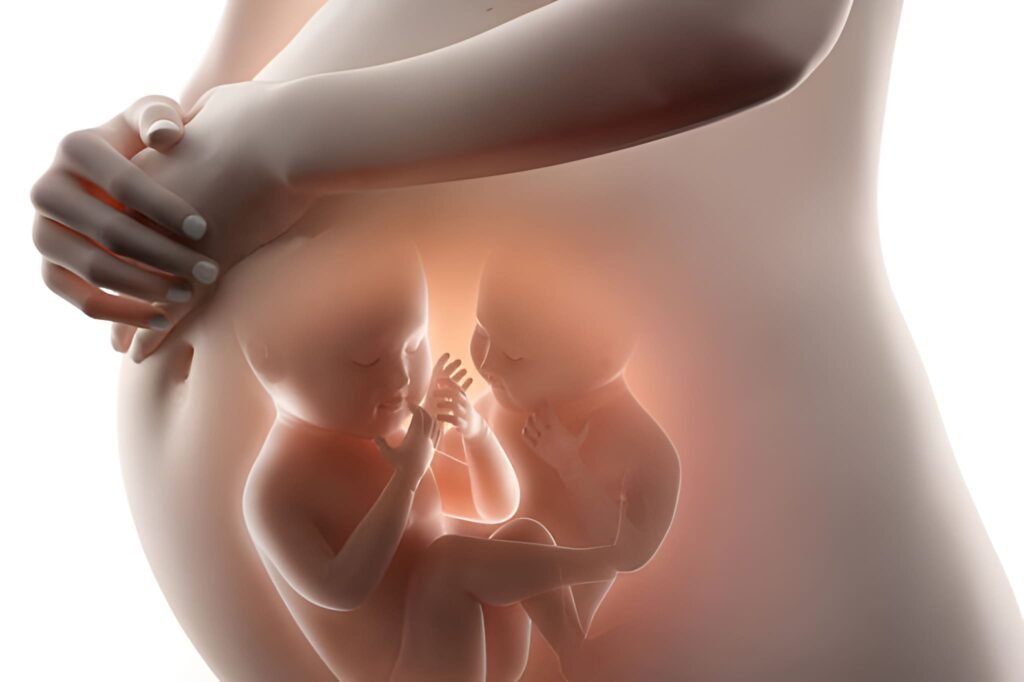
The 6th month of pregnancy (Weeks 22–26) is monumental because the babies pass the **viability threshold**. Although survival at this stage requires extensive neonatal care, this milestone provides immense psychological relief. The fetuses are rapidly transitioning from structures to functional, miniature humans.
Key Milestones for Multiples
- Lung and Brain Development: The lungs begin producing surfactant, a crucial chemical that allows the air sacs to inflate after birth. The brain develops rapid growth spurts and nerve connections.
- Sensory Perception: The babies hear sounds distinctly now—especially the mother’s voice, which is muffled but recognizable, and the internal sounds of her body.
- Weight Gain: Each baby gains weight rapidly, pushing their individual weights toward the two-pound mark by Week 26. This subcutaneous fat layer is essential for temperature regulation postpartum.
Maternal Physical Realities: Doubled Strain
Carrying twins means the mother’s body is performing the work of supporting a single full-term baby by the sixth month. The physical discomforts typical of the third trimester often appear now, demanding modifications to daily life and fitness.
Intensified Symptoms of Multiples
- Shortness of Breath: The uterus is already pressing high into the rib cage and diaphragm, severely reducing lung capacity. This symptom is nearly constant, requiring frequent breaks and mindful, deep breathing.
- Edema (Swelling): The massive increase in blood volume (often up to 60%) and the pressure of two babies on the pelvic veins lead to significant swelling in the feet, ankles, and hands. Elevation, hydration, and compression socks are essential management tools.
- Sciatica and Back Pain: The hormone relaxin, coupled with carrying twice the weight, causes severe pelvic instability and lower back pain. Investing in a robust **maternity support belt** is necessary for mobility.
Clinical Monitoring: Cervical Length and Growth
Medical appointments are typically scheduled bi-weekly or even weekly for high-risk twin pregnancies. The focus is dual: preventing preterm labor and ensuring both babies are receiving adequate nutrition.
Screening for Preterm Labor
The biggest risk in a twin pregnancy is **preterm delivery**, which occurs on average around Week 36. Monitoring focuses on predicting and mitigating this risk:
- Cervical Length Checks: Providers often use transvaginal ultrasounds to measure the length of the cervix. A shortening cervix is the strongest indicator of impending preterm labor, requiring increased bed rest or possible medical intervention.
- Pre-eclampsia Screening: The risk of pre-eclampsia (high blood pressure and organ damage) is significantly higher with multiples. Monitoring includes weekly blood pressure checks and urine protein screening.
Growth Scans and Discordance
Detailed **growth scans** (ultrasounds) are performed regularly (often every 2–4 weeks) to measure each baby individually. The provider checks for growth discordance—a significant size difference between the twins—which can indicate uneven placental sharing (especially in identical twins).
Interactive: Twin Growth Projection Tool
At Week 26, the average twin weight is approximately 1.7 to 2.2 pounds (750 to 1000 grams). Use this tool to see the cumulative weight the mother's body is supporting and the impact of continued growth.
Maternal Weight Load Projection (Pounds)
Preterm Labor Signs and Management
Awareness of subtle preterm labor signs is paramount, as the earlier multiples are born, the higher the risks. Parents must recognize symptoms that require immediate medical attention.
Immediate Reporting Checklist
- Persistent Contractions: More than four or five contractions in an hour, especially if they are regular or intensify. Note that Braxton Hicks contractions are frequent in twin pregnancies but must be monitored closely.
- Fluid Leakage: A sudden gush or constant trickle of fluid, which may indicate the water has broken (premature rupture of membranes).
- Cervical Pressure: A constant, dull ache or feeling of pressure low in the pelvis or vagina.
- Unusual Discharge or Bleeding: Any bright red bleeding or marked change in vaginal discharge.
Nutritional Demands and Calorie Goals
The nutritional demands in a twin pregnancy are vastly higher than in a singleton pregnancy. The sixth month is the critical feeding phase for the babies' rapid weight gain and the mother's necessary blood volume expansion.
Calorie and Protein Imperatives
- Caloric Intake: Mothers of twins typically require an additional **600 to 1,000 calories per day** over pre-pregnancy intake, depending on their activity level. This is far higher than the 300-calorie bump required for a singleton.
- Protein: High protein intake (aiming for 100 to 150 grams per day) is essential for fetal tissue growth and to support the massive increase in maternal blood volume.
- Iron and Folate: Due to the double blood volume expansion, anemia is extremely common. Strict adherence to iron and folate supplementation is necessary, often at higher therapeutic doses prescribed by the doctor.
Logistical Planning and Early Nesting
The sixth month mandates an aggressive approach to nesting and preparation, anticipating that the twins will likely arrive weeks before the due date. The average twin delivery occurs at 36 weeks.
Prioritize the Non-Negotiables
- Car Seats: Purchase and install two infant car seats. Do not wait, as mobility will decrease significantly in the third trimester.
- Nursery and Sleep: Set up the core nursery essentials (two cribs or bassinets, safe sleep space) now. Energy levels will plummet later.
- Hospital Bag: Have the hospital bag fully packed and ready by Week 28, allowing for immediate departure if preterm labor occurs.
Emotional Bandwidth and Support Systems
The physical intensity of carrying twins often depletes emotional reserves. Managing the continuous low-level anxiety associated with potential prematurity and the sheer scale of future childcare requires strong external support.
Acknowledge Overwhelm: It is normal to feel overwhelmed, physically exhausted, and mentally strained. Focus energy on high-impact areas, such as maintaining nutrition and rest, and delegate low-impact tasks (house cleaning, errand running) to your partner or support network. The sixth month is about acknowledging your limits and building the support framework necessary for the final phase of this incredible dual journey.