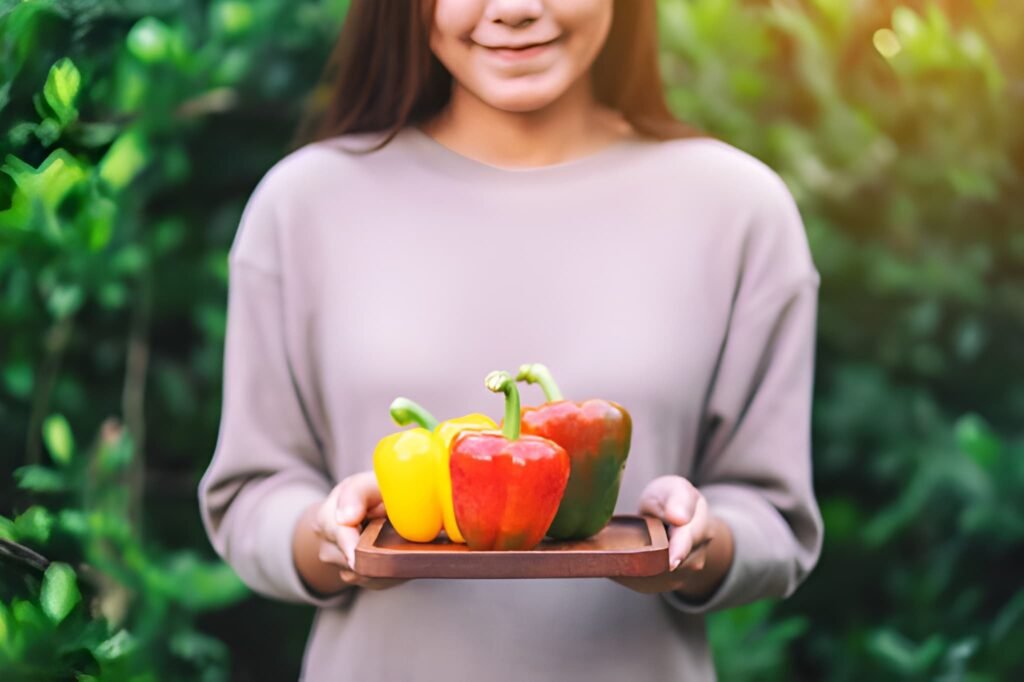
The Vibrant Harvest: A Specialist Guide to Bell Peppers in the Lactation Diet
- The Nutritional Architecture of Peppers
- Vitamin C: The Recovery Engine
- Mechanics of Iron Absorption
- The Nightshade and Alkaloid Question
- Flavor Imprinting and Sensory Development
- Managing Metabolic and Hydration Costs
- Red, Green, and Yellow Comparisons
- Pesticides and the Cleaning Protocol
- Meal Integration for New Parents
The Nutritional Architecture of Bell Peppers
During the breastfeeding period, a mother functions as a biological manufacturer, processing her own nutrient stores to create the most complex food on earth. Bell peppers, members of the Capsicum annuum family, provide a high-yield return for this metabolic effort. As a specialist, I prioritize these vegetables because they offer dense concentrations of water-soluble vitamins without the irritating capsaicin found in spicy variants. Their structure consists of a thick, water-rich flesh that supports systemic hydration while delivering a specialized profile of phytonutrients.
One medium bell pepper serves as a concentrated source of dietary fiber, Vitamin A, Vitamin B6, and potassium. These elements work in concert to stabilize maternal blood pressure and support the neurological health of the nursing infant. The vibrant pigmentation of these peppers indicates the presence of carotenoids like lutein and zeaxanthin. These specific antioxidants cross into the breast milk and assist in the development of the infant's retinal tissues, potentially protecting their vision as they grow.
Vitamin C: The Postpartum Recovery Engine
The postpartum phase represents a period of intense physiological repair. Whether recovering from a vaginal delivery or a cesarean section, the body must rebuild connective tissues, seal vascular pathways, and strengthen skin elasticity. Vitamin C, or ascorbic acid, stands as the non-negotiable co-factor for collagen synthesis. Without adequate Vitamin C, the collagen fibers produced are weak and disorganized, which can lead to prolonged healing times and increased maternal fatigue.
Unlike many mammals, humans cannot synthesize Vitamin C internally; we must acquire it entirely through our diet. During lactation, the body prioritizes the infant's needs, often depleting maternal stores to ensure the milk remains nutritionally complete. Bell peppers, particularly the red varieties, offer some of the highest concentrations of this vitamin available in a whole-food format, far exceeding the levels found in traditional citrus fruits.
Collagen Synthesis and Tissue Integrity
Collagen acts as the "glue" that holds human tissues together. For the postpartum mother, this involves the repair of the uterine lining and any soft tissue trauma experienced during birth. Regular consumption of bell peppers provides the steady stream of Vitamin C required for the hydroxylase enzymes that stabilize the triple-helix structure of collagen. This biochemical support directly translates to a more resilient physical recovery during the first three months after delivery.
Mechanics of Synergistic Iron Absorption
Postpartum anemia is a frequent challenge that contributes to the "brain fog" and exhaustion often misattributed solely to lack of sleep. While many mothers take iron supplements or increase their red meat intake, the body's ability to absorb non-heme iron (plant-based iron) is notoriously inefficient. This is where the bell pepper becomes a clinical tool.
Vitamin C acts as a powerful enhancer of iron absorption. It reduces ferric iron to the more soluble ferrous state, allowing for easier transport across the intestinal lining.
Standard Iron Absorption Rate: ~2% to 10% for non-heme sources.
Enhanced Rate with 100mg Vitamin C: Can increase absorption by up to 300% to 500%.
Logic: If you eat a bowl of iron-rich spinach alone, your body may only capture a fraction of the iron. If you add half of a red bell pepper to that same bowl, the high Vitamin C content "unlocks" that iron, significantly boosting your hemoglobin recovery without the need for high-dose supplements that often cause constipation.
For parents following a vegetarian or vegan lifestyle, this synergy is even more vital. Bell peppers turn a standard plant-based meal into a high-utility iron delivery system, supporting both maternal energy levels and the iron stores of the breastfed infant.
The Nightshade and Alkaloid Question
As members of the nightshade family (Solanaceae), bell peppers contain trace amounts of alkaloids, specifically solanine. In the community of holistic nutrition, there is often discussion about nightshades causing systemic inflammation. As a specialist, I look at the clinical evidence. For the vast majority of breastfeeding mothers, the levels of solanine in ripened bell peppers are far too low to trigger any inflammatory response in the mother or the child.
If you have a known history of autoimmune conditions or joint sensitivity, you might monitor your response to peppers. However, for 99% of nursing parents, the antioxidant benefits of the pepper’s flavonoids significantly outweigh any theoretical risk from alkaloids. The anti-inflammatory properties of quercetin and luteolin found in peppers actually serve to reduce the low-grade inflammation often present during the early weeks of parenting.
Flavor Imprinting and Sensory Development
Breastfeeding is an infant's first introduction to the family table. Flavors from the maternal diet are carried through the milk, providing a rotating spectrum of sensory input. Bell peppers offer a mild, sweet flavor profile that subtly influences the aromatic quality of the milk. This is not just a culinary curiosity; it is a biological "palate priming" mechanism.
Research suggests that infants who are exposed to a wide variety of vegetable flavors through breast milk are significantly more likely to accept those same vegetables when they begin the transition to solid foods. By including bell peppers in your diet, you are pre-programming your child's brain to recognize and enjoy the taste of healthy, vibrant produce. This can make the "weaning" process much smoother and reduce the likelihood of selective eating habits later in childhood.
Managing Metabolic and Hydration Costs
Lactation is the most energy-intensive process the human body can undergo, requiring an average of 500 extra calories per day. This energy must come from nutrient-dense sources to ensure the quality of the milk. Bell peppers provide a low-glycemic way to add volume and crunch to your meals without causing the blood sugar spikes and crashes associated with processed carbohydrates.
Furthermore, the high water content of bell peppers assists in maintaining the maternal fluid balance. Many new mothers struggle to drink the recommended 128 ounces of water per day. Consuming "eating water" through vegetables like peppers provides a slow-release form of hydration that is coupled with potassium, helping to maintain electrolyte balance during the demanding cycles of nursing and pumping.
The Color Spectrum: A Nutritional Comparison
While all bell peppers are beneficial, the degree of ripeness significantly impacts the concentration of vitamins and antioxidants. As the pepper stays on the vine longer and turns from green to red, its chemical profile matures.
| Nutrient | Green Pepper | Yellow / Orange | Red Pepper |
|---|---|---|---|
| Vitamin C | High (95mg) | Very High (180mg) | Highest (190mg+) |
| Vitamin A | Moderate | High | Highest (9x Green) |
| Flavor | Bitter / Grassy | Sweet / Mellow | Sweetest / Fruity |
| Carotenoids | Low | High (Lutein) | Highest (Lycopene) |
| Digestibility | Fair | Excellent | Excellent |
For the breastfeeding mother, the red pepper is the gold standard. Its massive Vitamin A and Lycopene content provides superior support for both maternal skin health and the infant's developing immune system. If you find green peppers cause slight bloating, switching to the fully ripened red or yellow varieties will likely resolve the issue.
Pesticides and the Cleaning Protocol
In the United States, bell peppers frequently appear on lists for high pesticide residue. During the lactation period, minimizing the chemical burden on your system is a prudent clinical choice. Pesticides are fat-soluble and can accumulate in breast milk over time. Whenever the budget allows, prioritizing organic bell peppers is the safest path for your family.
The Specialist Cleaning Strategy
If organic options are unavailable, do not avoid the vegetable. Instead, follow a rigorous cleaning protocol. Research shows that a solution of baking soda and water is significantly more effective at removing pesticide residues than plain water alone. Soak your peppers for 12 to 15 minutes in a mixture of one teaspoon of baking soda per two cups of water, then rinse thoroughly. This simple step protects the purity of your milk supply and ensures your baby receives only the beneficial nutrients.
Meal Integration for New Parents in
As we navigate through the current year, the emphasis in pediatric nutrition remains on the "whole foods first" approach. Bell peppers are exceptionally versatile, requiring almost no preparation time—a vital feature for the schedule of a new parent. Their ability to be eaten raw, sautéed, roasted, or even blended into sauces makes them a flexible staple for any kitchen.
For a quick nutritional boost, consider slicing raw peppers to eat with hummus or Greek yogurt dip. If you have ten minutes for a warm meal, sautéing peppers with lean protein like turkey or tofu provides the perfect balance of amino acids and Vitamin C to support your recovery. By making bell peppers a permanent part of your grocery list, you are investing in a nutritional foundation that supports your health and your baby's future.