Traditional Chinese Medicine and Lactation: A Clinical Perspective on Herbal Safety
Integrating Ancient Wisdom with Modern Neonatal Safety Standards in
The Tradition of Zuo Yue Zi
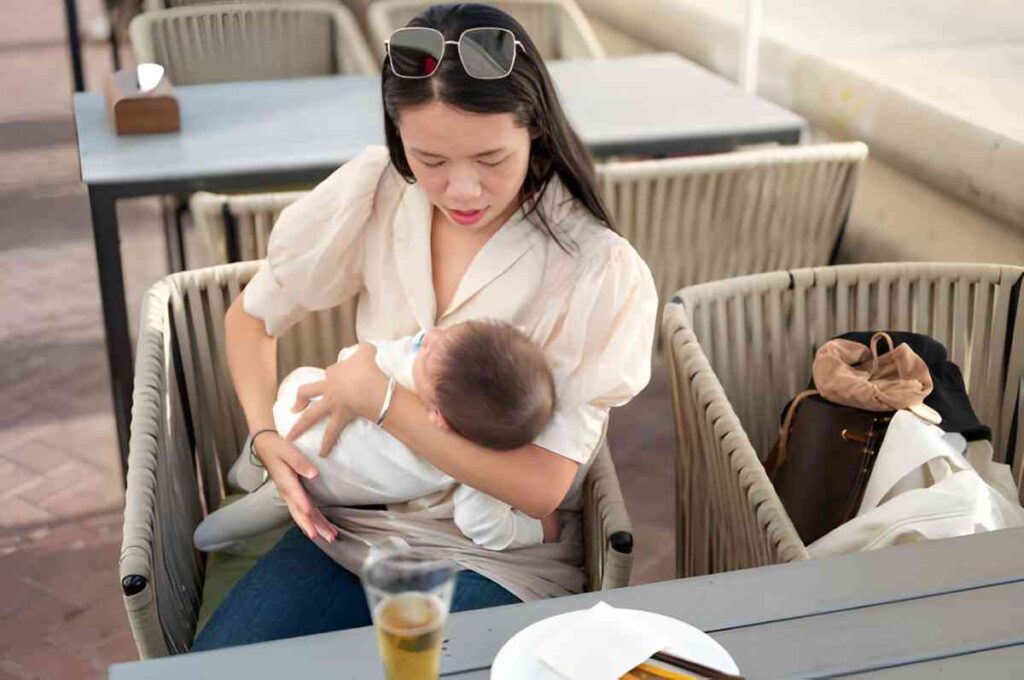
In many East Asian cultures, the postpartum period involves a specific month of recovery known as Zuo Yue Zi, or "Sitting the Month." This tradition places heavy emphasis on the use of Traditional Chinese Medicine (TCM) to restore the mother’s Qi (energy) and Blood. As a child and mother specialist, I acknowledge the profound psychological and physical benefits many women find in these practices. However, the introduction of botanical compounds during lactation requires a rigorous assessment of how these substances interact with the developing infant’s physiology.
The core philosophy of TCM during lactation focuses on warming the body and promoting flow. Herbs are rarely used in isolation; they are typically combined into complex formulas (decoctions) tailored to the individual mother’s constitution. While this holistic approach is admired, it poses a challenge for Western pharmacological monitoring, as the synergy between multiple herbs can alter the rate at which active alkaloids enter the breast milk.
Pharmacology of Herbal Milk Transfer
Understanding herbal safety begins with the mechanics of milk transfer. Most botanical compounds consist of various phytochemicals, including alkaloids, flavonoids, and glycosides. The ability of these molecules to pass from the maternal bloodstream into the milk ducts depends on their molecular weight, protein-binding capacity, and lipid solubility. Generally, the Relative Infant Dose (RID)—the percentage of the maternal dose that the infant receives—remains low for many standard TCM culinary herbs.
However, the infant’s metabolic clearance is significantly slower than that of an adult. The neonatal liver and kidneys are still maturing, meaning that even a trace amount of a potent herbal alkaloid can accumulate over several feedings. This accumulation is the primary concern for specialists. We must evaluate not just the toxicity of the herb, but the infant’s ability to process and excrete its metabolites without experiencing neurological or gastrointestinal distress.
Herbs with Favorable Safety Profiles
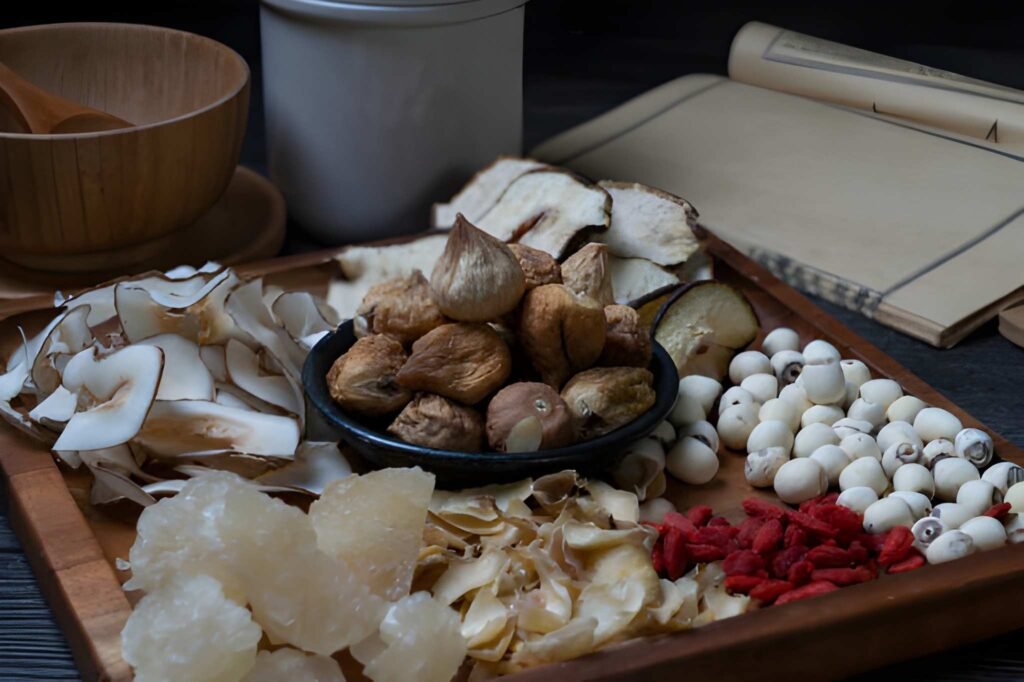
Many herbs used in postpartum TCM formulas are also classified as food-grade ingredients. These "tonifying" herbs are generally considered safe when used in moderate, traditional quantities. They focus on nourishing the mother and supporting a healthy milk supply without introducing harsh stimulants or purgatives.
Huang Qi (Astragalus)
Often used to boost immunity and energy. Clinical data suggests it has a low risk of toxicity. It is frequently included in soups to help mothers recover from the physical exhaustion of labor.
Dang Gui (Angelica Sinensis)
Known as the "female ginseng," it is the cornerstone of blood-nourishing formulas. While it can have a mild anticoagulant effect, it is considered safe in standard postpartum decoctions.
Goji Berries (Wolfberry)
Rich in antioxidants and Vitamin A. These are culinary staples in TCM and pose zero risk to the nursing infant when consumed as part of a balanced diet.
Codonopsis (Dang Shen)
A gentler alternative to Panax Ginseng. It supports digestion and energy levels without the overstimulating "heat" that can sometimes make infants restless.
Botanical Agents to Avoid
Certain classes of Chinese herbs are strictly contraindicated during breastfeeding. These usually fall into the categories of "Blood Activating," "Heat Clearing," or "Purgative" herbs. Substances that strongly move the blood can potentially increase maternal postpartum bleeding or enter the milk and cause digestive upset in the baby.
Furthermore, herbs like Lu Hui (Aloe Vera) when taken internally as a purgative can cause significant electrolyte imbalances in the infant. As a rule, any herb that is designed to induce a strong physiological "flush" or detoxification should be avoided until the infant has transitioned to solid foods and the breastfeeding relationship is less frequent.
Contamination and Market Regulation
Perhaps the greatest risk associated with Chinese herbs in the US and Europe is not the herbs themselves, but the lack of standardization and potential contamination. Because herbal products are often regulated as dietary supplements rather than drugs, they do not always undergo the rigorous testing required for pharmaceuticals. This has led to documented cases of heavy metal contamination and pesticide residue.
| Contaminant | Source | Risk to Infant |
|---|---|---|
| Lead | Contaminated soil/processing | Neurological development delays |
| Mercury | Environmental pollution | Central nervous system toxicity |
| Pesticides | Unregulated farming | Endocrine disruption |
| Adulterants | Intentional spiking | Unpredictable drug interactions |
As a specialist, I advise mothers to only source herbs from reputable practitioners who utilize Third-Party Testing (such as USP or NSF certification). Look for products that have been "sulfur-free" processed and are labeled for their specific alkaloid content. In the socioeconomic context of the US, many "neighborhood" herbal shops may carry bulk herbs that have not been screened for these dangerous contaminants.
Monitoring Infant Clinical Responses
Even when using "safe" herbs, the most important diagnostic tool is the observation of the infant. Every baby possesses a unique metabolic fingerprint. A formula that one baby tolerates perfectly might cause another baby to experience significant discomfort. Specialists train parents to monitor for subtle behavioral shifts following the mother's ingestion of a new herbal formula.
If the infant develops sudden, explosive diarrhea, green frothy stools, or excessive flatulence within 12 to 24 hours of the mother taking an herb, it is a sign of sensitivity. Purgative herbs are the most common culprits, but even "warming" herbs like ginger can occasionally cause mild gastric irritation in sensitive newborns.
Some tonic herbs like Ren Shen (Ginseng) or Lu Rong (Deer Antler) are considered too "energizing." If an infant becomes suddenly hyper-alert, has difficulty falling asleep, or exhibits "colicky" inconsolable crying, the mother should stop the herbal regimen immediately to see if symptoms resolve.
Watch for new-onset eczema, hives, or a persistent red rash around the mouth or diaper area. While rare, infants can be allergic to the proteins found in botanical extracts. These reactions typically peak within 48 hours of exposure through the milk.
Decoction vs. Concentrated Extract
The method of preparation significantly alters the potency of Chinese herbs. Traditionally, herbs are boiled into a tea (decoction). This water-extraction method is generally less concentrated than modern "granule" or "concentrate" extracts. For a breastfeeding mother, the decoction method is often preferred because the lower concentration provides a wider margin of safety for the infant.
Concentrated powders or tinctures may contain much higher levels of active alkaloids. While convenient, they make it harder to titrate the dose. If a mother must use extracts, I recommend starting at 25% to 50% of the standard adult dose and slowly increasing while monitoring the baby. This "low and slow" approach minimizes the risk of overwhelming the infant's still-developing liver enzymes.
Specialist Safety Guidelines
Integrating Chinese herbs into your postpartum recovery can be a beautiful way to honor tradition and support your health. However, safety must remain the absolute priority. Follow these specialist-approved guidelines to ensure your breastfeeding journey remains healthy for both you and your child.
- Consult a Qualified Practitioner: Only work with NCCAOM-certified herbalists who have specific experience in postpartum care.
- Avoid "Pre-Packaged" Patent Medicines: These often contain hidden ingredients or heavy metals. Stick to raw herbs or verified granules.
- Separate Dosing from Feeding: If possible, take your herbal tea immediately after a feeding session to allow for maximum metabolic clearance before the next feed.
- Transparency with Pediatrians: Always inform your infant's doctor about any supplements you are taking. This is critical for accurate diagnosis if the baby develops symptoms.
Final Thoughts
The use of Chinese herbs during breastfeeding represents a bridge between cultural heritage and modern maternal care. When sourced correctly and managed by a professional, many of these botanical agents can provide essential support during the demanding fourth trimester. However, because the infant is the ultimate recipient of these compounds, we must maintain a stance of vigilant observation. By prioritizing high-quality sources, sticking to gentle tonifying herbs, and closely monitoring your baby’s behavior, you can safely navigate the botanical landscape of Traditional Chinese Medicine. Your health and your baby’s safety are not mutually exclusive; they are two halves of the same restorative journey.