Absolute Certainty: Ruling Out Pregnancy
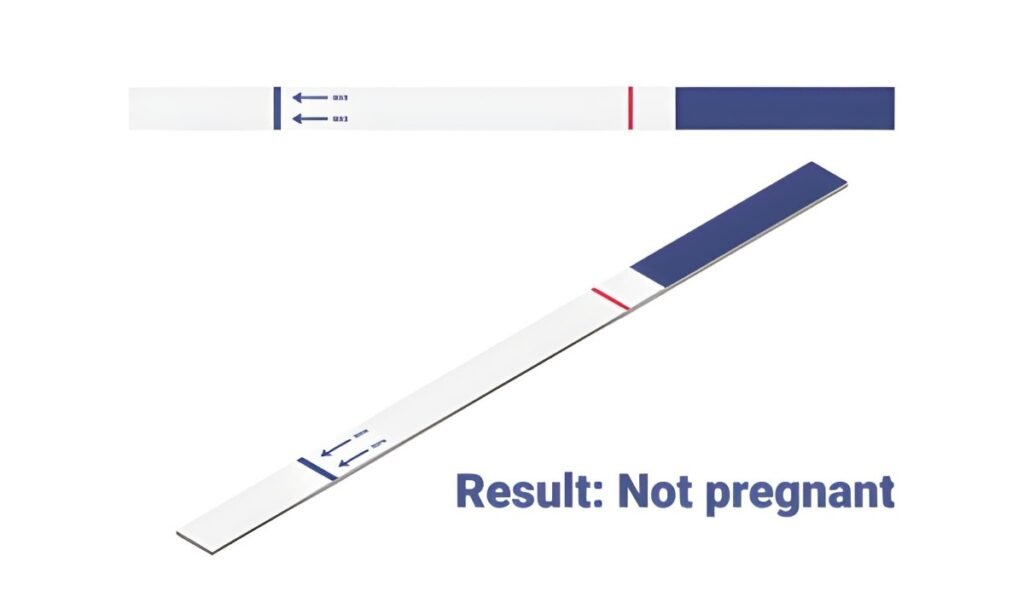
When two months have passed since your expected menstrual period, and multiple quality home pregnancy tests remain negative, the likelihood of pregnancy causing the delay is zero. The human chorionic gonadotropin (hCG) hormone, the marker of pregnancy, rises exponentially in the first trimester. By 8 weeks past your last menstrual period (LMP)—the approximate timeline for a two-month delay—hCG levels are typically in the thousands.
Any functional home pregnancy test would have easily detected this level of hormone weeks ago. Accepting the negative results allows you to focus critical energy on diagnosing the actual physiological interruption. This two-month absence is a strong sign that the body has missed or significantly postponed ovulation in both the first and second subsequent cycles.
HCG Levels at Two Months
If pregnancy occurred on schedule, your hCG levels at the 8-week mark (approximately two months after LMP) would be expected to range between:
32,000 to 149,000 mIU/mL
Since home tests detect a minimum of 25 mIU/mL, the negative result provides definitive medical certainty: the missed periods are caused by hormonal dysfunction, not pregnancy.
Defining Secondary Amenorrhea: The Two-Month Gap
The term for a period that stops after previously being established is **Secondary Amenorrhea**. While a clinical diagnosis often requires three months of absence, a two-month delay signals significant cycle disruption that warrants immediate medical attention. Menstruation is merely the final stage of the reproductive cycle, triggered by the withdrawal of progesterone after the egg is released. A missed period means the body did not complete the most essential step: ovulation.
The Physiology of Anovulation
The entire menstrual cycle is regulated by the Hypothalamic-Pituitary-Ovarian (HPO) axis—a communication system between the brain and the ovaries. If a signal along this axis is interrupted, the follicular phase (where the egg matures) stalls, resulting in anovulation (no egg release). Without ovulation, the corpus luteum does not form, progesterone is not produced, and the uterine lining cannot shed on time, leading to the prolonged absence of the period.
Category 1: Hypothalamic Disruption (The Lifestyle Axis)
The most frequent cause of amenorrhea, especially in otherwise healthy individuals, is a suppression of the HPO axis due to environmental or lifestyle stress. This is known as **Hypothalamic Amenorrhea (HA)**.
The Impact of Chronic Stress (Cortisol Overload)
The hypothalamus acts as the body's control center, prioritizing survival. When faced with continuous psychological stress—financial hardship, major life changes, chronic relationship issues, or even intense anxiety about the missed periods—the body releases high levels of cortisol. Cortisol directly inhibits the release of Gonadotropin-releasing hormone (GnRH), the master hormone that initiates the menstrual cycle.
This shutdown is an evolutionary survival mechanism: the brain decides it is not safe to invest resources in reproduction. The period will remain absent until the external or internal stressor is reduced.
Energy Deficit and Extreme Exercise
The HPO axis requires adequate energy reserves to function. An energy deficit, common in the US population due to intense diet culture and rigorous fitness routines, severely compromises GnRH signaling. This deficit is caused by:
- Low Energy Availability: Burning significantly more calories than you consume. This is often present even if the individual is not visibly underweight.
- Low Body Fat Percentage: Adipose tissue produces necessary estrogen. Extremely low body fat signals metabolic distress.
To restore the cycle in cases of HA, the primary treatment is non-medical: increasing caloric intake, reducing exercise intensity, and actively managing stress to reassure the hypothalamus that the body is safe and nourished.
Category 2: Endocrine and Metabolic Drivers
If lifestyle causes are ruled out, the physician investigates underlying endocrine disorders that disrupt ovulation mechanically or metabolically.
Polycystic Ovary Syndrome (PCOS)
PCOS is the most common cause of anovulation. It is characterized by elevated androgens (male hormones) and insulin resistance. The chronic absence of ovulation leads to periods that are missed for months at a time. The hormonal imbalance prevents follicles from reaching full maturity and releasing the egg.
Key PCOS Markers
If PCOS is suspected, your doctor will check for clinical signs like acne, excessive body hair (hirsutism), or an ultrasound showing "polycystic morphology" (multiple small follicles) on the ovaries.
Thyroid and Prolactin Imbalances
The thyroid gland regulates overall metabolism and reproductive hormone activity. Both hypo- and hyperthyroidism can cause severe menstrual disruption. Similarly, elevated levels of the hormone **Prolactin** (Hyperprolactinemia), which is normally high during breastfeeding, can suppress ovulation when elevated outside of that context, leading to prolonged missed periods.
Premature Ovarian Insufficiency (POI)
In women under 40, a prolonged absence of the period can, in rare cases, signal Premature Ovarian Insufficiency (POI), formerly known as Premature Menopause. This is diagnosed by blood tests showing high Follicle-Stimulating Hormone (FSH), indicating that the ovaries have prematurely reduced their function.
Medication and Contraceptive Effects
Certain medications or recent hormonal changes can also be responsible for the two-month gap.
- Post-Contraception Amenorrhea: After discontinuing hormonal birth control (pills, injections, or implants), it can take several months for the body's natural hormones to regulate. A delay of two or more months is common as the HPO axis "wakes up."
- Psychiatric Medications: Some classes of antidepressants and antipsychotics are known to increase prolactin levels, which can interrupt ovulation and stall the cycle.
- Steroids: Prescription corticosteroids can temporarily suppress the pituitary gland, causing an anovulatory cycle.
When to Act: The Clinical Investigation
Given the two-month delay, you must schedule an appointment with a gynecologist or endocrinologist. A diagnosis is required to prevent potential long-term risks associated with prolonged amenorrhea, such as insufficient bone density (due to low estrogen) or, conversely, excessive thickening of the uterine lining (due to unopposed estrogen, common in PCOS).
The Definitive Diagnostic Panel
Your doctor will order a comprehensive blood panel, which typically includes:
| Test | Purpose | Indicates |
|---|---|---|
| Quantitative hCG | Final confirmation that hCG is below 5 mIU/mL. | Rules out pregnancy definitively. |
| TSH and T4 | Screens for thyroid function. | Hypothyroidism or Hyperthyroidism. |
| Prolactin Level | Checks for Hyperprolactinemia. | Pituitary issue or medication effect. |
| FSH, LH, Estradiol | Assesses ovarian function and HPO communication. | Hypothalamic Amenorrhea (low levels) or POI (high FSH/LH). |
| Androgens (Testosterone) | Checks for elevated male hormones. | Primary marker for PCOS diagnosis. |
Restoring the Cycle: Long-Term Management Strategy
Treatment focuses on correcting the underlying cause identified by the diagnostic panel, often requiring a two-pronged approach: inducing the current period and promoting spontaneous ovulation in the future.
The Role of the Progesterone Challenge
If pregnancy is ruled out, your physician may prescribe a short course (7 to 10 days) of synthetic progesterone. This is called a Progesterone Challenge. The medication thickens the uterine lining. When the medication stops, the resulting progesterone withdrawal triggers the lining to shed, inducing a period within 3 to 10 days.
This challenge confirms that the body has sufficient estrogen to build a lining and safely ends the current prolonged anovulatory cycle, preventing excessive uterine thickening.
Targeted Management
Long-term solutions address the specific diagnosis:
- For HA: Focus on increasing calorie intake by 10 to 20 percent and reducing high-intensity exercise by 30 to 50 percent until menstruation returns spontaneously.
- For PCOS: Management centers on addressing insulin resistance through diet, moderate exercise, and often, medication like Metformin to improve ovarian response.
- For Thyroid/Prolactin issues: Treatment involves medication to bring the TSH or Prolactin levels back into the normal range, which typically restores ovulation within weeks.
A two-month missed period is a strong indication that your body needs supportive intervention. Identifying the precise hormonal or environmental factor provides the clearest path forward toward restoring consistent health and cycle regularity.