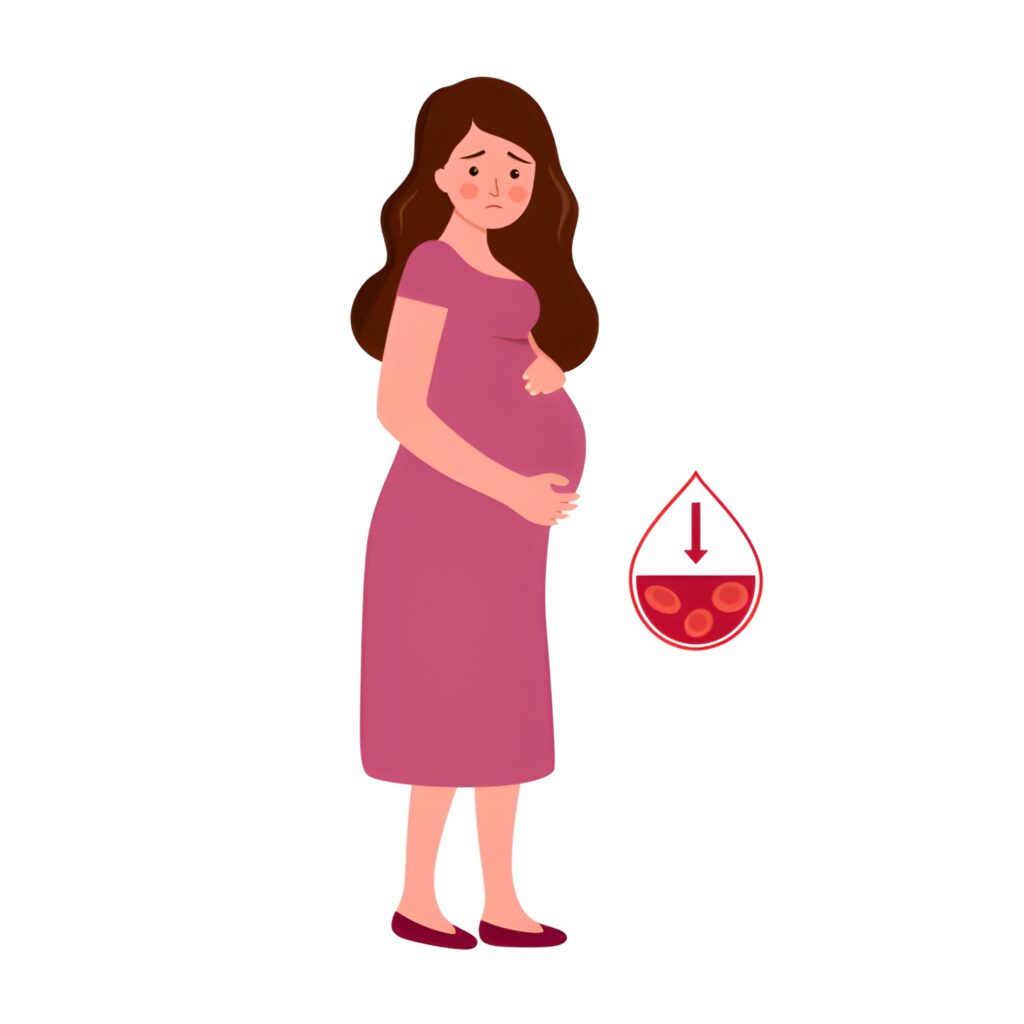
Hormonal Timing and Cycle Analysis
Two Weeks Post-Implantation Bleeding: Analyzing a Negative Pregnancy Test
Spotting that occurs around the time of the expected menstrual period is often assumed to be implantation bleeding—a sign that a fertilized egg has burrowed into the uterine lining. However, when a definitive home pregnancy test remains negative two full weeks after this spotting, the situation requires careful analysis. This detailed exploration clarifies the timeline of implantation and hormone rise, examines the reliability of testing at this juncture, and provides several alternative explanations for the initial bleeding, ensuring a clear, science-based approach to interpreting this common scenario.
Table of Contents
The Critical Hormone and Implantation Timeline
The reason a pregnancy test should be definitively positive two weeks after true implantation is rooted in the predictable, exponential rise of the pregnancy hormone, Human Chorionic Gonadotropin (hCG).
Defining Implantation and hCG Rise
Implantation, the process that may cause light spotting, occurs between 6 and 12 days past ovulation (DPO), with the average being around 9 DPO. Once implantation is successful, the newly formed placenta begins releasing hCG.
- HCG Doubling: After the initial release, hCG levels typically double every 48 to 72 hours.
- Detection Threshold: Most sensitive home pregnancy tests (HPTs) detect hCG levels between 10 to 25 mIU/mL.
HCG Projection Two Weeks Post-Implantation
Assuming implantation occurred at 9 DPO, the spotting occurs roughly at 10 DPO. If hCG starts at 2 mIU/mL and doubles every 48 hours:
- Day 0 (Bleeding): 10 DPO / 2 mIU/mL
- Day 4: 14 DPO / 8 mIU/mL (Expected period day)
- Day 8: 18 DPO / 32 mIU/mL
- Day 14 (Two weeks post-bleeding): 24 DPO / 128 mIU/mL
A level of 128 mIU/mL is well above the sensitivity of any standard HPT. Therefore, a definitive negative result two weeks after true implantation bleeding suggests the initial bleeding was not implantation, or the pregnancy is non-viable.
Test Reliability Two Weeks Post-Bleeding
A home pregnancy test conducted two weeks after potential implantation bleeding provides a highly reliable result.
The Certainty of a Late Negative
By 24 DPO (two weeks after the typical expected period), the concentration of hCG in the urine is sufficient to trigger a positive result on virtually any home test, including those with lower sensitivity. A truly viable pregnancy at this stage that yields a repeatedly negative test is scientifically improbable. The two-week mark serves as a strong clinical rule-out for ongoing pregnancy.
Interactive Tool: Time Since Bleeding and Test Reliability
HPT Reliability Checker
Use the slider to see how HPT reliability changes relative to the spotting date (assumed to be 10 DPO).
Alternative Causes for Spotting (Non-Pregnancy)
If pregnancy is ruled out, the initial spotting was likely a normal hormonal fluctuation or an unrelated issue. These events are often mislabeled as implantation bleeding due to their timing.
Common Explanations for Mid-Cycle or Pre-Period Spotting
| Alternative Cause | Typical Timing and Characteristics | Outcome After Two Weeks |
|---|---|---|
| Breakthrough Bleeding | Often occurs mid-cycle or around ovulation, related to a temporary estrogen dip. | Cycle continues normally, ending with menstruation. |
| Hormonal Shift (Short Luteal Phase) | Spotting right before the true period is the beginning of menstruation itself, sometimes lasting days. | The main menstrual flow begins 2-7 days after spotting ends. |
| Cervical Irritation | Caused by vigorous exercise, intercourse, or a pelvic exam. | Stops quickly (within 1-2 days); no impact on the cycle. |
| Ovarian Cyst | Rarely, a rupture or change in an ovarian cyst can cause intermittent bleeding and pain. | May require medical follow-up if pain persists. |
Understanding Chemical and Ectopic Pregnancies
The only viable medical explanation for a positive test closer to the time of bleeding followed by a negative test two weeks later is a non-viable pregnancy.
Chemical Pregnancy
A chemical pregnancy is a loss that occurs very shortly after implantation, often before the 5th week of gestation. In this case, the fertilized egg implants and produces just enough hCG to yield a faint positive or a low blood test result. The pregnancy then fails, hCG levels rapidly drop, and bleeding (often mistaken for a normal or heavy period) occurs. Two weeks later, the test would be definitively negative as the hormone is cleared from the system.
Ectopic Pregnancy (Requires Rule Out)
An ectopic pregnancy occurs when the fertilized egg implants outside the uterus, most commonly in the fallopian tube. While hCG is produced, it rises abnormally slowly, and the bleeding may be misinterpreted as implantation bleeding. However, an ectopic pregnancy must be ruled out clinically, especially if the patient experiences increasing pelvic pain, persistent dark spotting, or dizziness, even with a negative test.
Recommended Next Steps and Medical Consultation
If two weeks have passed since the initial spotting and the pregnancy test is negative, the most responsible next step is a clear-headed assessment of the current situation.
Clinical Guidance Checklist
- Wait for Menstruation: If the cycle is only delayed, expect the true menstrual flow to begin soon.
- Re-test Only If Symptoms Persist: Only repeat the HPT if a strong suspicion remains, or if symptoms (like severe nausea or persistent breast tenderness) continue or worsen.
- Medical Follow-up: If menstruation does not arrive within a week of the expected period, or if the patient experiences any sharp, localized pain, contact the healthcare provider for a quantitative blood test (beta hCG) and pelvic examination. This ensures the rule-out of a subtle chemical or ectopic pregnancy.
A negative pregnancy test two weeks after supposed implantation bleeding is a reliable indicator that the pregnancy is not currently viable, or the initial bleeding was misidentified. By trusting the hormonal timeline and seeking definitive clinical confirmation when cycles remain irregular, patients can move past uncertainty and focus on the next cycle with clear information.