Two Weeks Pregnant: Decoding the Microscopic Beginnings of Development
Clarifying the timeline: When "two weeks" is actually the first week of life.
Article Roadmap
Clinical Dating vs. Conception: Why 2 Weeks is the Starting Line
The primary confusion regarding "two weeks pregnant" stems from medical convention. Healthcare providers calculate gestational age from the first day of the **Last Menstrual Period (LMP)**, not the date of conception. Since ovulation (and thus fertilization) typically occurs about two weeks after the LMP, the official "Week 2" of pregnancy is actually the window during which **conception is most likely to occur**, meaning the developing baby is often not yet physically present.
The 40-Week Calculation
The 40-week pregnancy timeline is based on the LMP because it provides a reliable, fixed starting date, even if the woman is not yet biologically pregnant during the first two weeks. Therefore, when a woman is clinically two weeks pregnant, the primary reproductive event occurring is ovulation, followed immediately by fertilization.
To understand the baby's size at this time, we must look at the moment sperm meets egg—the true biological start of life.
Size and Structure at Fertilization
At the moment of fertilization, the developing baby is a single cell entity called a **zygote**. Its size is microscopic, making it impossible to see without powerful magnification.
The Zygote: A Single Cell Entity
The size of the zygote is approximately the same diameter as the egg itself: about 0.1 millimeters (mm). This size is smaller than the tip of a pin. It is the largest human cell, but it remains a singular structure packed with the entire genetic blueprint for the baby.
Genetic Blueprint Determined
Within the zygote, the genetic material from the sperm and the egg combine to form a unique human genome. At this exact moment, 46 chromosomes are established, determining the baby's sex, eye color, hair color, and inherited physical characteristics.
Approximate Size at Conception: 0.1 mm (Smaller than a speck of dust)
Weight: Microscopic, essentially zero mass.
The Journey Begins: Moving to the Uterus
After fertilization occurs in the fallopian tube (the actual "Week 2" of the clinical calendar), the zygote does not immediately grow in overall size. Instead, it begins the process of rapid internal division, a phase known as cleavage, as it travels toward the uterus.
The Germinal Stage: Zygote to Blastocyst
The three days following fertilization are known as the germinal stage. The baby, still microscopic, is rapidly transforming from a single cell into a complex cluster known as a blastocyst.
Cell Division and the Morula
The zygote undergoes multiple rounds of mitosis (cell division), dividing into two cells, then four, then eight. By the third day, the structure becomes a solid ball of 12 to 15 cells, known as the **morula**. This morula resembles a tiny raspberry in shape, though still microscopic in actual size.
Formation of the Blastocyst
By the time the structure enters the uterus (around 4 to 5 days after fertilization, which is the start of clinical Week 3), it becomes a blastocyst—a hollow ball of cells. The cells organize themselves into two distinct groups:
- Inner Cell Mass: This central cluster will eventually develop into the **embryo** itself.
- Outer Cell Layer: These cells, called the trophoblast, will burrow into the uterine wall and ultimately form the **placenta**.
This specialized cellular organization is what allows the embryo to implant successfully in the uterine lining and begin signaling the mother's body about the pregnancy.
Maternal Readiness and Ovulation Signs in Week 2
While the zygote is undergoing microscopic changes, the mother's body in clinical Week 2 is in peak hormonal readiness for fertilization. Recognizing the signs of ovulation helps pinpoint the moment the cycle shifts from preparation to conception.
Key Ovulation Indicators
The following physiological changes occur in the mother's body in the days leading up to and including ovulation (clinical Week 2):
| Indicator | Description |
|---|---|
| Cervical Mucus | Becomes clear, slippery, and stretchy, resembling raw egg whites (fertile quality). |
| Basal Body Temperature (BBT) | Undergoes a slight dip, followed by a noticeable and sustained rise after ovulation. |
| Mittelschmerz | Mild, brief twinges or cramping felt on one side of the lower abdomen (German for "middle pain"). |
| Hormonal Shifts | A surge in Luteinizing Hormone (LH) precedes egg release, sometimes correlating with a temporary increase in libido. |
First Signs of Pregnancy in Week 2?
Because pregnancy does not technically begin until the zygote forms at the end of Week 2, a woman **cannot** experience pregnancy symptoms during this week. Symptoms like breast tenderness, nausea, or fatigue, if felt this early, are attributable to the normal hormonal fluctuations of the menstrual cycle, not the developing embryo. The earliest possible time for a symptom directly linked to the embryo is implantation bleeding, which occurs at the end of Week 3 or Week 4 (6 to 12 days post ovulation).
Preconception Health Priorities for Optimal Development
Since Week 2 marks the start of fertilization, the health of the mother's body in the weeks and months preceding this period is paramount.
The Crucial Role of Folic Acid
The neural tube, which forms the baby's brain and spinal cord, develops incredibly early, starting shortly after conception. Deficiencies in folic acid (Vitamin B9) at this precise time dramatically increase the risk of neural tube defects (NTDs) like spina bifida. Because most women do not realize they are pregnant until Week 5 or 6, it is essential to begin supplementing with at least 400 micrograms of folic acid daily **before** trying to conceive.
Lifestyle Preparation Checklist (Interactive Guide)
The healthiest start begins with proactive elimination of environmental risks:
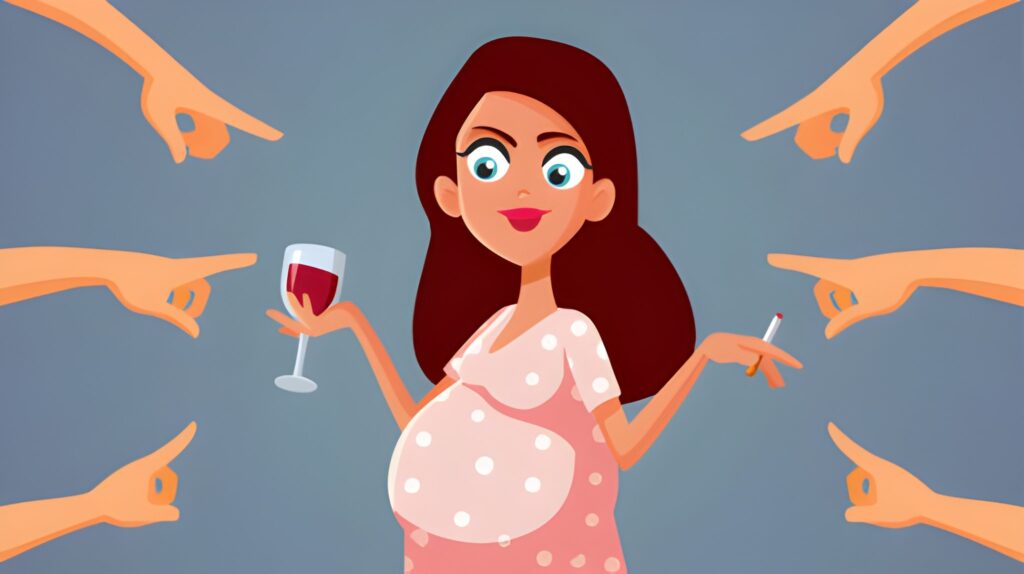
All consumption of alcohol, tobacco products, and illicit drugs should cease immediately upon beginning the conception attempt. These teratogens can severely impact the quality of the egg and sperm and interfere with the rapid cell division of the zygote and blastocyst, increasing the risk of loss or malformation.
Yes. Moderate exercise supports overall health and fertility. There is no clinical evidence that routine physical activity, including intercourse, prevents implantation or causes miscarriage during this microscopic stage. Maintaining a healthy weight and staying active is part of optimal preconception care.
Socioeconomic Factors and Early Care Access
The timing of Week 2 highlights a significant socioeconomic reality: the window for preventative health (folic acid supplementation, lifestyle changes) closes before pregnancy is even confirmed.
Preconception Care Access
The ability to access **preconception care**—a visit with a doctor before attempting pregnancy—is crucial for identifying and mitigating risks. Socioeconomic factors, including lack of insurance or inadequate health literacy, often prevent women from receiving this guidance. For US audiences, utilizing state-funded health programs or community clinics for a pre-pregnancy check-up ensures that vital information, particularly regarding supplementation and chronic disease management, is addressed before conception occurs in Week 2.
A healthy lifestyle established before Week 2 gives the microscopic zygote the absolute best environment for the subsequent rapid growth and complex organ formation that begins in Week 3. Proactive preparation is the most powerful tool available to shape the baby's earliest development.