Vital Energy: Assessing Hypoglycemia in the Late Preterm Newborn
Clinical vigilance and management strategies for the 34-to-36 week infant
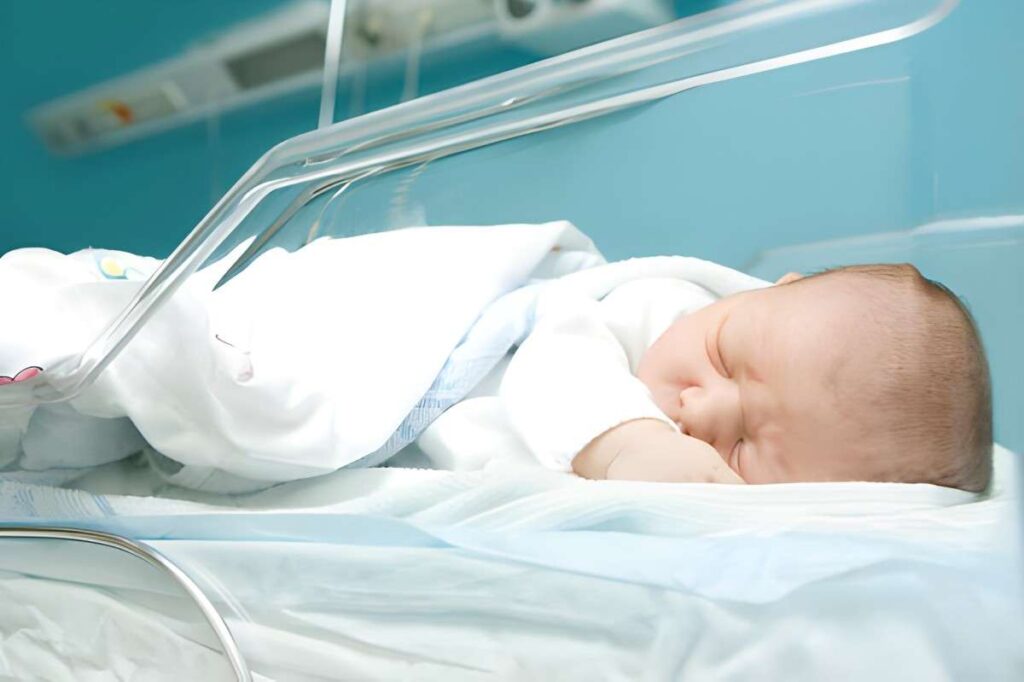
The transition from the intrauterine environment to extrauterine life requires a rapid metabolic shift. For the late preterm newborn—those born between 34 0/7 and 36 6/7 weeks of gestation—this transition is fraught with silent risks. While these infants often appear as robust as their full-term counterparts, they are frequently referred to as "the great masqueraders." Their external appearance masks a significant physiological immaturity, particularly regarding glucose homeostasis.
Hypoglycemia, defined as a blood glucose level insufficient to meet the metabolic demands of the body, is the most common metabolic abnormality in the neonatal period. In the late preterm population, the incidence is markedly higher due to limited glycogen stores, immature thermoregulation, and a blunted counter-regulatory hormone response. As a nurse or specialist assessing these infants, the goal is not merely to react to a low number on a glucometer, but to anticipate the drop before it impacts neurological health.
Clinical Navigation
1. The Biological Vulnerability of Late Preterm Infants 2. Identifying Subtle and Overt Signs of Low Glucose 3. Standardized Screening Protocols and Thresholds 4. Management Pathways: Feeding vs. Medical Intervention 5. Long-term Stability and Parental Education 6. Frequently Asked Clinical QuestionsThe Biological Vulnerability of Late Preterm Infants
In the final weeks of pregnancy, the fetus undergoes a period of rapid nutrient stockpiling. Glycogen, the stored form of glucose, is primarily deposited in the liver during the third trimester. Late preterm infants miss out on these final, critical weeks of accumulation. Consequently, their internal "battery life" is significantly shorter than that of a full-term baby.
Liver glycogen levels are at their peak at 40 weeks. At 34 or 35 weeks, these stores are barely sufficient to sustain the infant for the first few hours of life without effective feeding.
The metabolic pathways required to create new glucose from proteins or fats (gluconeogenesis) are not yet fully primed in late preterm newborns, leading to a delayed backup response.
Late preterm infants have less brown fat. When they become cold, they burn glucose rapidly to stay warm, quickly depleting their already limited reserves.
Furthermore, the metabolic demand of the late preterm brain is higher relative to the infant's total body mass. The brain depends almost exclusively on glucose for energy. When supply fails, the body may attempt to use alternative fuels like ketones, but in the late preterm newborn, even these alternative pathways are immature. This makes the infant uniquely susceptible to neurological insult if hypoglycemia is prolonged.
Identifying Subtle and Overt Signs of Low Glucose
Relying solely on visual symptoms is a dangerous strategy in neonatal care. Many hypoglycemic infants are asymptomatic, meaning they show no outward signs until their glucose levels are dangerously low. However, when signs do appear, they are often non-specific and can be confused with other conditions like sepsis or respiratory distress.
Common Behavioral and Physiological Indicators
- Poor Feeding: A sudden lack of interest in the breast or bottle, or a weak, disorganized suck.
- Lethargy: The infant is difficult to arouse for scheduled feedings or lacks normal muscle tone (hypotonia).
- Temperature Instability: An inability to maintain a normal body temperature despite appropriate clothing and environment.
- Respiratory Changes: Tachypnea (fast breathing), grunting, or brief periods of apnea.
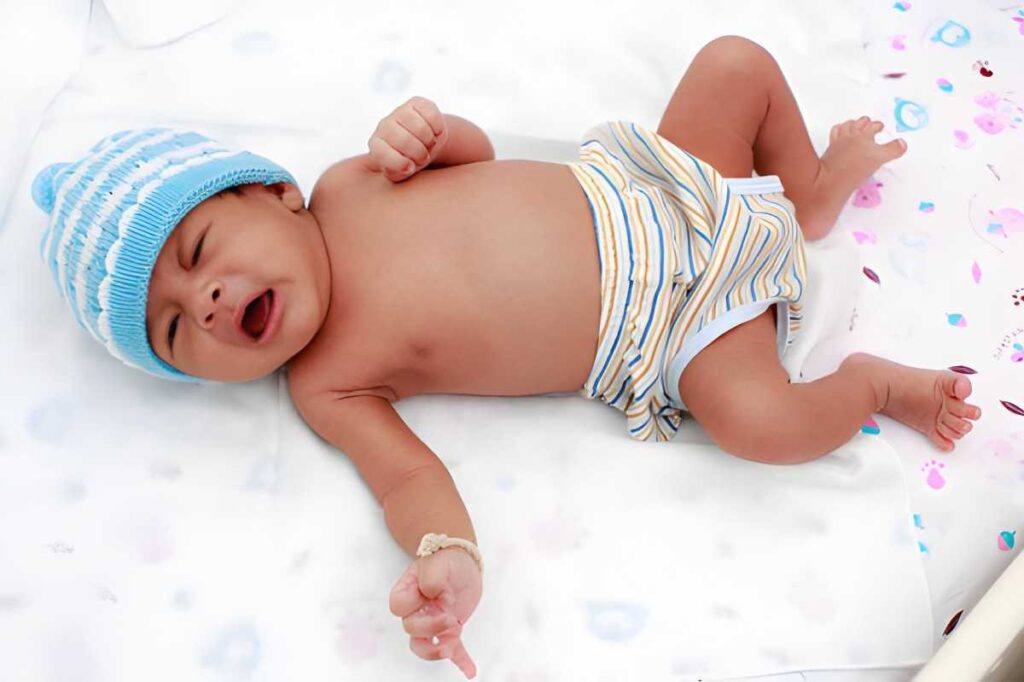
- High-Pitched Cry: A distinct, irritable cry that differs from the infant's usual hunger signal.
Standardized Screening Protocols and Thresholds
Because the risk is high and symptoms are often absent, hospitals implement mandatory screening for all late preterm newborns. The American Academy of Pediatrics (AAP) provides a framework for when to test and what numbers should trigger an intervention.
| Time Post-Birth | Target Glucose (mg/dL) | Intervention Threshold |
|---|---|---|
| 0 to 4 Hours | Greater than 40 mg/dL | Less than 25 mg/dL requires immediate IV or urgent feed |
| 4 to 24 Hours | Greater than 45 mg/dL | Less than 35 mg/dL requires intervention |
| After 24 Hours | Greater than 50 mg/dL | Vigilance for sustained levels above 50-60 mg/dL |
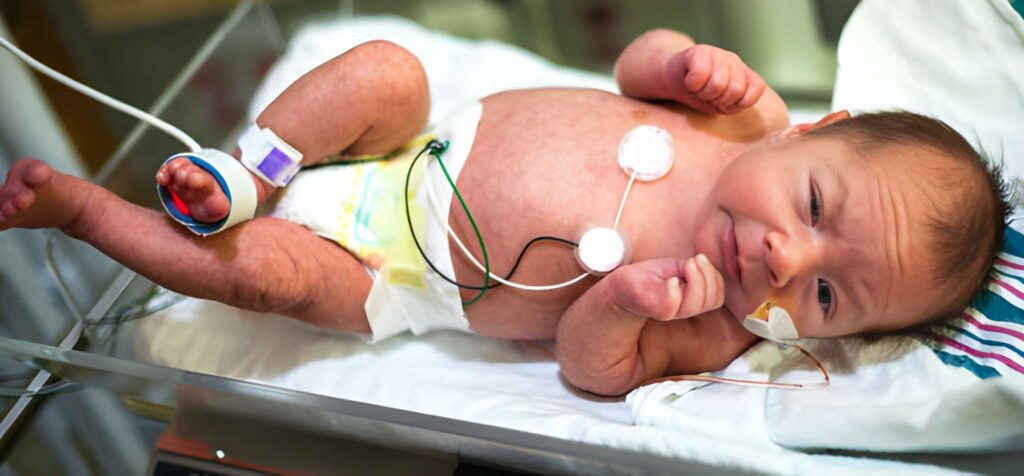
The first screening usually occurs within 30 to 60 minutes after the first feeding, or by 2 hours of age if the infant has not yet fed. For a nurse, timing is everything. Blood glucose should be measured using a heel stick, ensuring the foot is warm to promote circulation and provide an accurate sample. If a bedside monitor shows a low value, it is standard practice to send a confirmatory sample to the central laboratory, though treatment should not be delayed while waiting for lab results.
Management Pathways: Feeding vs. Medical Intervention
Management is dictated by the severity of the hypoglycemia and whether the infant is symptomatic. In most late preterm cases, the first line of defense is nutritional support.
The Feed-First Strategy
If the infant's glucose is slightly below the threshold and they are alert, the nurse should facilitate immediate breastfeeding or provide expressed breast milk. If breast milk is unavailable, formula is utilized. The goal is to provide a source of carbohydrates (lactose) that the infant can quickly convert into glucose.
Glucose Gel: A Modern Intervention
In the year , the use of 40% dextrose gel has become a standard mid-level intervention. The nurse massages a measured dose of the gel into the infant's buccal (cheek) mucosa. This allows for rapid absorption without the need for invasive IV lines, often allowing the infant to stay with the mother in a "couplet care" setting rather than being transferred to the NICU.
If glucose remains low after two feedings and gel applications, or if the infant shows signs like seizures or severe lethargy, IV D10W (10% dextrose) is mandatory to provide a steady, reliable infusion of energy.
Management is successful when the infant maintains three consecutive pre-feed glucose levels above 45-50 mg/dL while feeding effectively on a normal schedule.
Long-term Stability and Parental Education
Once the initial crisis passes, the focus shifts to ensuring the late preterm newborn can sustain these levels at home. This requires a transition from "scheduled" glucose checks to "on-demand" feeding confidence.
Parents must understand that their late preterm baby may be "sleepier" than a full-term baby. A baby who sleeps through a feeding is not necessarily a "good baby"; they may be a hypoglycemic baby. Nurses must teach parents how to use skin-to-skin contact to wake the baby and how to look for early hunger cues like rooting, hand-to-mouth movements, and lip smacking.
Frequently Asked Clinical Questions
Testing too soon after a feed may show a "false high" as the body is still absorbing the sugars. Waiting 30 to 60 minutes gives a more accurate reflection of how the infant's body is actually processing and maintaining those glucose levels.
While rare in healthy late preterm infants, hyperglycemia can occur if an IV glucose infusion is too concentrated or if the infant is under extreme stress or infection. It is far less common than hypoglycemia but also requires careful monitoring.
Colostrum is very rich in energy and antibodies, but the volume is small. For a late preterm infant with high demands, we prioritize getting "calories in" by any safe means. Breastfeeding is the goal, but supplementation is often a necessary short-term bridge to ensure safety.
Standard protocol usually allows for the cessation of screening after 12 to 24 hours of consistent, normal glucose levels. This ensures the infant has moved past the initial "transitional" period of metabolic stress.
The care of a late preterm newborn with hypoglycemia is a balancing act of technical skill and clinical intuition. By recognizing the unique biological limitations of these infants and responding with a structured, tiered management plan, we protect their neurological future. Every successfully managed glucose check is a step toward a healthy, thriving childhood, ensuring that these "great masqueraders" truly become as strong as they look.