Week 5: The Master Blueprint
Dating from LMP: 35 Days | Post-Conception: 21 Days
Welcome to Week 5 of your pregnancy. This specific milestone marks a monumental shift in biological complexity. Until this point, the pregnancy consisted of a cluster of rapidly dividing cells searching for a home. Now, that cluster has transformed into an organized embryo. By clinical definition, you are five weeks pregnant because gestation dates from the first day of your last period. In reality, the embryo is roughly three weeks old. This week represents the start of organogenesis, the intensive period where every major organ system begins its formation from three primary layers of cells.
Embryonic Transformation: The Three Germ Layers
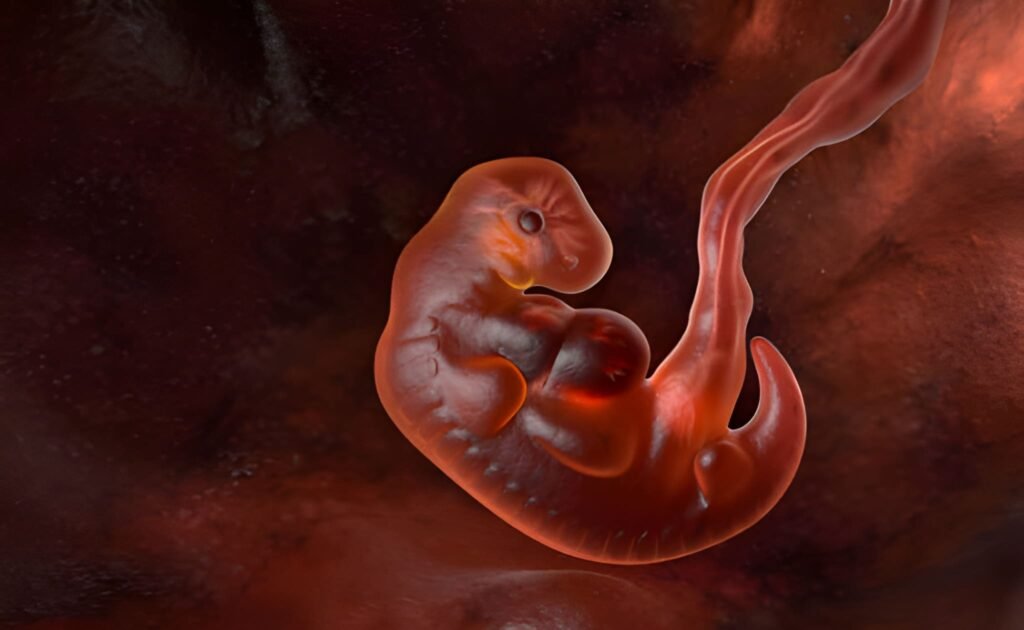
At five weeks, the embryo measures approximately 2 millimeters, roughly the size of a tiny orange seed or a peppercorn. Despite its minuscule size, it possesses a sophisticated trilaminar embryonic disc. This structure consists of three distinct layers, each serving as the foundational blueprint for specific parts of the body.
This outer layer forms the nervous system. It creates the brain, the spinal cord, and the nerves. It also produces the skin, hair, and nails. This week, the top of this layer folds to create the neural tube.
The middle layer develops the circulatory system, including the heart and blood vessels. It also forms the skeletal structure, muscles, and the reproductive and urinary systems.
The inner layer acts as the blueprint for the internal organs. This includes the entire digestive tract, the lungs, the liver, and the pancreas.
The Primitive Heart and Circulation
One of the most remarkable events of Week 5 is the development of the heart tube. While not yet a four-chambered organ, the heart consists of two tiny tubes that have fused together. By the end of this week, this rudimentary structure begins to twitch and pulse. This represents the first functioning organ in the body. Concurrently, the first simple blood vessels begin to link the embryo to the yolk sac and the emerging placenta, establishing the circulatory pathway that will sustain life for the next 35 weeks.
Hormonal Architecture: The HCG Surge
Your body is currently a site of intense chemical communication. The cells that will eventually form the placenta are now secreting human chorionic gonadotropin (HCG). This hormone is the primary reason you feel different this week.
HCG serves a specific biological purpose: it signals the corpus luteum in your ovary to keep producing progesterone. This progesterone prevents the shedding of the uterine lining, essentially protecting the embryo from being flushed out. A positive home pregnancy test in Week 5 is a direct detection of this HCG surge.
Progesterone levels also remain extremely high. This hormone relaxes smooth muscle tissue throughout your body, which is necessary to prevent the uterus from contracting, but it also impacts your digestion and vascular system. This high hormonal load explains the sudden onset of profound fatigue and the beginning of digestive sluggishness.
Maternal Symptoms: The Physical Response
While some individuals feel no different in Week 5, many experience a sudden "hormonal storm." These symptoms serve as a healthy indicator that your body is adapting to the metabolic demands of the growing embryo.
You may feel a level of exhaustion that rest cannot easily cure. Your body is diverting massive amounts of energy to form the placenta and increase your blood volume. Progesterone acts as a natural sedative during this time.
Increased blood flow and hormonal stimulation cause the mammary glands to swell. Your breasts may feel heavy, sensitive, or tingle. This is your body's early preparation for eventually feeding your infant.
HCG increases blood flow to your kidneys, making them process fluid more efficiently. Additionally, your expanding blood volume means more waste products are being filtered, resulting in more frequent trips to the bathroom.
While peak morning sickness often occurs in Week 9, the initial surge of HCG can cause a metallic taste in the mouth or a general sense of nausea, particularly when your stomach is empty.
Folate Critical Window: Supporting Neural Tube Closure
The fifth week is arguably the most important time for nutritional support, specifically regarding Folate (Vitamin B9). The neural tube must close completely by the end of Week 6. Failure to close can result in defects such as spina bifida.
Daily Folate Check
Ensure you are meeting the clinical threshold for Week 5 development.
Clinical Milestones: The First Steps
If you haven't already, Week 5 is the time to officially engage with your healthcare system. Although many providers wait until Weeks 8 to 10 for the first physical exam, your initial phone call is vital for screening your health history.
Scheduling the First Visit
During your initial intake call, your specialist will typically ask about:
- Last Period Date: This establishes your official due date and the clinical timeline for testing.
- Current Medications: Many standard over-the-counter and prescription drugs are contraindicated during organogenesis.
- Previous Obstetric History: This determines if you need early monitoring (such as an early ultrasound to rule out ectopic pregnancy).
Safety Protocols: Protecting the Embryonic Window
Because Week 5 is the peak of organogenesis, the embryo is at its highest vulnerability to external agents (teratogens) that can cause structural defects.
| Protocol Area | Mandatory Action |
|---|---|
| Toxins | Complete cessation of alcohol, nicotine, and recreational substances. No safe threshold exists during neural tube formation. |
| Thermoregulation | Avoid hot tubs, saunas, or activities that raise your core temperature above 102 degrees Fahrenheit (39 degrees Celsius). Hyperthermia can disrupt cellular division. |
| Dietary Safety | Avoid unpasteurized dairy and raw meats. The risk of Listeria, while low, can be devastating in the first trimester. |
Partner and Emotional Strategy
For partners, Week 5 is often the first time the pregnancy feels real. The transition can be jarring for both individuals. The most effective support strategy this week is proactive relief. Because the pregnant person is navigating profound fatigue and hormonal shifts, assuming responsibility for household logistics and food preparation can significantly lower maternal cortisol levels, which creates a more stable environment for the embryo.
Managing Anxiety
It is normal to feel anxious during this early phase, as the risk of miscarriage is highest in the first trimester. Focus on the variables you can control: nutrition, rest, and medical consultation. Avoid obsessive searching of statistics, and instead focus on establishing a calm, steady routine that prioritizes physical and emotional well-being.
Summary: The Foundation is Set
At 5 weeks pregnant, you are moving through one of the most productive phases of the entire biological journey. The master blueprint is being read, and the foundations of the brain, heart, and digestive system are being laid with incredible precision. Your role this week is to act as a stable vessel: prioritize Folate, respect your body's demand for rest, and secure your clinical path. As you clear this week, the embryo will finish its most sensitive structural formation, moving you closer to the relative stability of the second trimester.