Week 9 of Pregnancy: The Transition to Fetus and First Trimester Navigation
A Child and Mother Specialist's Guide to Growth, Symptoms, and Safety
Article Contents
1. Fetal Development: The Graduation to Fetus
Week 9 marks a profound turning point: the developing life officially transitions from an embryo to a fetus. This distinction signifies that the basic structures of the body are in place, and the remaining 31 weeks focus on growth, maturation, and refinement.
Size and Appearance at Nine Weeks
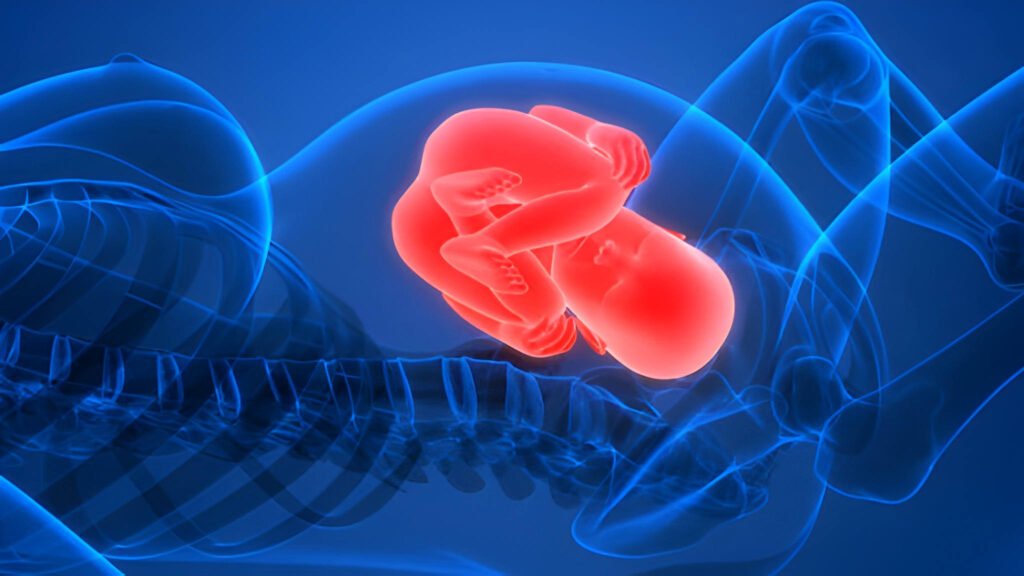
At the start of the ninth week, the fetus measures about **0.9 inches** long, roughly the size of a green grape or a cherry. Although small, the structure is surprisingly complete. The tail present in earlier weeks now disappears, solidifying the human form. The fetus moves frequently, though you will not feel these movements yet.
Internal System Refinement
The pace of development remains astounding:
- Facial Features: The eyes, which started on the sides of the head, begin to migrate toward the front. Eyelids form and fuse shut, protecting the developing eyes until the second trimester.
- Limbs and Joints: Tiny elbows, knees, and ankles are distinct. The hands and feet now have small digits, though they remain webbed initially. The fetus practices small, jerky movements that will later become more coordinated.
- Heart Structure: The heart is fully partitioned into four chambers, and the major blood vessels are established. The heart beats rapidly, often between 150 and 170 beats per minute, pumping blood throughout the tiny body.
- Reproductive Organs: While the external genitalia are still forming, the internal reproductive organs begin differentiation, establishing whether the fetus will develop testes or ovaries.
2. Maternal Symptoms: When Hormones Peak
Week 9 is often the peak period for many classic first-trimester symptoms, largely driven by surging levels of the human chorionic gonadotropin (hCG) and progesterone hormones. These hormones are essential for sustaining the pregnancy but cause considerable discomfort.
The Fatigue and Nausea Cycle
Exhaustion becomes a dominant factor. The body is rapidly creating the placenta and increasing blood volume—a massive, energy-intensive project. You may feel more tired after a full night's sleep than you did before pregnancy.
Nausea, commonly called "morning sickness," can strike at any time of day and is often at its worst around this time. This is not just stomach upset; it is a neurological response to hormonal signals. Manage severe symptoms proactively to prevent dehydration and nutrient depletion.
Blood Volume Increase: A Calculated Effort
By the end of the first trimester, your body begins rapidly increasing blood volume to supply the placenta and your expanding circulatory system. This is a critical adaptation but contributes directly to fatigue and potential lightheadedness.
Calculation Example: The body typically increases plasma volume by approximately 50% and red cell mass by 20% by the third trimester. By Week 9, this process is accelerating. If your normal blood volume is 5.0 liters, the final volume will approach 7.0 to 7.5 liters. This 40-50% increase requires substantial energy and increased fluid intake, often necessitating iron supplementation to keep up with the demand for red blood cells.
3. Nutritional Focus: Fueling Rapid Growth
While the fetus is small, the cellular activity is unprecedented. Therefore, maintaining consistent, high-quality nutrition is more about the density of nutrients than the sheer quantity of calories.
Critical Nutrients for Week 9
During this period, the following nutrients are non-negotiable for fetal nervous system and cell development:
- Folic Acid (Folate): Essential for the complete closure of the neural tube. Although closure is largely complete, continued high intake supports rapid cell division.
- Iron: Necessary to support the mother's dramatic increase in blood volume and prevent iron-deficiency anemia, which exacerbates fatigue.
- Iodine: Vital for the development of the fetal thyroid gland, which will regulate the brain and nervous system development.
- Vitamin D: Plays a key role in bone formation and maternal immune function.
Action: If you have not started a high-quality prenatal vitamin, begin immediately. Focus meals on small, frequent servings of whole grains, lean proteins, and easily digestible fruits and vegetables.
4. First Trimester Logistics: Planning and Appointments
Week 9 is a common time for your initial prenatal appointment, which is often the most comprehensive appointment of the entire pregnancy. Use this opportunity to ask all your questions and establish your care relationship.
The first visit includes confirming the pregnancy, performing a full medical history, blood work (checking blood type, anemia, rubella immunity, etc.), and a dating ultrasound. The dating scan provides the most accurate estimated due date and confirms the baby is developing correctly within the uterus. You will also discuss lifestyle changes, prenatal vitamin recommendations, and safe medications.
The non-gestational partner often feels detached during this early stage because the changes are primarily internal. Involve them by having them attend the initial ultrasound, read books about fetal development, and take over tasks that exacerbate your nausea or fatigue (e.g., cooking, managing pet waste, or cleaning the bathroom). Clear communication about your intense fatigue and emotional needs is paramount.
Anxiety about miscarriage is high in the first trimester. Focus on controllable factors: nutrition, hydration, and rest. Practice gentle stress-reducing activities like meditation, mild stretching, and prenatal yoga approved by your provider. If anxiety becomes overwhelming or interferes with daily function, discuss screening and support options with your healthcare team.
5. Managing Nausea and Food Aversions
Nausea management is less about finding a cure and more about finding a sustainable management strategy. Small, constant adjustments to diet and routine yield the best results.
Strategies for Symptom Relief
- Small and Frequent: Never let your stomach become empty. Carry crackers, pretzels, or plain dry cereal and eat a small amount every hour.
- Timing Carbohydrates: Eat a small snack containing carbohydrates immediately upon waking—before you even lift your head off the pillow—to stabilize blood sugar.
- Cold and Bland: Favor cold, scentless, and bland foods. Ginger (in teas, lozenges, or chews) offers scientifically validated relief for many.
- Avoid Triggers: Strong odors are a major trigger. Minimize exposure to cooking smells, perfumes, and cleaning products. Delegate trash disposal and strong scent management to your partner.
6. Socioeconomic Context and Work Disclosure
In the US context, Week 9 often coincides with the first comprehensive healthcare planning and the difficult decision regarding workplace disclosure, especially before the generally accepted 12-week mark.
Health Insurance Logistics: Confirm your current insurance coverage for prenatal care, ultrasounds, and laboratory work. Understand co-pays and deductibles. If you plan to change insurance during open enrollment, research maternal and newborn coverage carefully. Planning these logistics early prevents major financial stress later.
Workplace Disclosure: Many choose to keep the pregnancy confidential until the risk of miscarriage significantly drops after Week 12. However, if your work environment involves chemical exposure, heavy lifting, or high stress that is compromising your health, disclose the pregnancy to your HR representative or manager privately. This ensures your legal protections under the Pregnancy Discrimination Act begin, and allows for necessary temporary modifications to your duties.
7. Critical Transition Points: Embryo vs. Fetus
The name change from embryo to fetus highlights a major physiological demarcation. This comparison grid shows the shift in the baby's biological agenda.
| Phase | Timeframe (Weeks) | Primary Biological Goal | Key Structure Focus |
|---|---|---|---|
| Embryonic | Weeks 3–8 | Organogenesis (Formation of all major organ systems and body parts) | Neural tube, heart chambers, limb buds, placenta formation |
| Fetal | Week 9 – Birth | Maturation (Growth, refinement, and functional capacity of established organs) | Brain complexity, lung surfactant, fat deposition, sensory development |
Your baby, now a fetus, has completed the blueprints for life. The focus from here is on making those blueprints functional and robust.
8. Warning Signs: Protecting the Early Pregnancy
While minor spotting is relatively common in early pregnancy, distinguishing between normal symptoms and critical warning signs is essential for immediate action. Do not hesitate to contact your provider for any concern.
Immediate Contact Required
- Vaginal Bleeding: Any bright red bleeding that is heavier than simple spotting, especially if it saturates a pad within an hour.
- Severe Cramping: Persistent, severe abdominal or pelvic pain that is worse than menstrual cramps and does not ease with rest.
- Passage of Tissue: If you pass any tissue or large clots.
- Severe, Unrelenting Nausea/Vomiting: If you are unable to keep any liquids down for 24 hours (risk of severe dehydration or hyperemesis gravidarum).
By understanding the profound changes happening in Week 9, you empower yourself to navigate the peak symptoms of the first trimester and protect the precious growth of your baby.