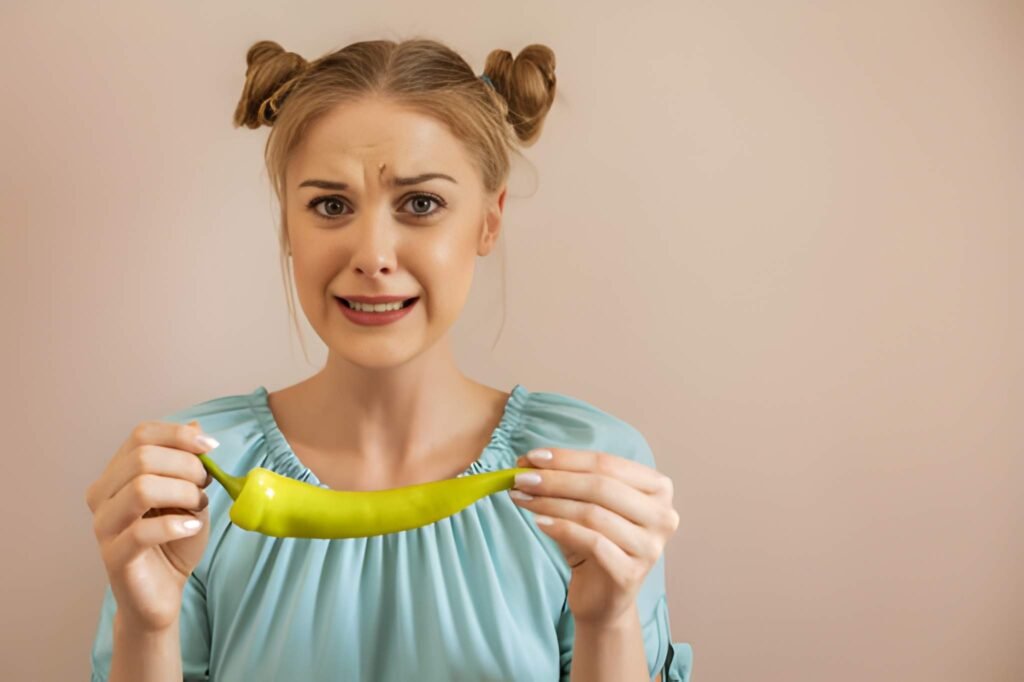
Zesty Nutrition: The Specialist Guide to Banana Peppers and Breastfeeding
Evaluating Spice, Safety, and Flavor Transfer for the Nursing Mother
Clinical Overview: Are Banana Peppers Safe?
As a specialist in maternal and child nutrition, I receive frequent inquiries regarding spicy or pungent foods. The short answer remains a resounding yes: banana peppers are entirely safe to consume while breastfeeding. Unlike certain medications or environmental toxins, the botanical compounds found in mild peppers do not pose a physiological threat to your nursing infant. In fact, diversifying your diet with various vegetables like banana peppers supports both maternal health and the infant's sensory development.
Many mothers fear that "spicy" foods will burn the infant's mouth or stomach through the milk. However, breast milk does not turn into a conduit for heat in the way many imagine. The body filters the components of your diet through the mammary glands, and while subtle flavors transfer, the physical sensation of "heat" or burning does not translate directly into the milk. Banana peppers, specifically, are among the mildest members of the Capsicum family, making them an excellent entry point for adding zest back into your postpartum menu.
The Science of Milk Flavor: Capsaicin and Aromatic Transfer
Breast milk is a dynamic fluid that reflects the aromatic profile of the mother's diet. When you consume banana peppers, the volatile compounds responsible for their unique flavor—primarily capsaicin (in low amounts) and various pyrazines—enter your bloodstream and eventually your milk ducts. This transfer usually peaks between two to six hours after ingestion.
Research suggests that this flavor transfer serves a critical evolutionary purpose. It introduces your son to a variety of tastes before he ever starts solid foods. Infants exposed to a wide array of flavors through breast milk often show a greater willingness to accept new foods during the weaning process. Therefore, eating banana peppers might actually help prevent picky eating later in your child's life.
The flavor transfer is subtle. Your milk will not taste like a pickled pepper, but it may carry a faint vegetal or tangier profile that stimulates the infant's taste receptors.
Your own digestive efficiency determines the rate of transfer. If you have a fast metabolism, the flavor may appear in the milk sooner and dissipate more quickly.
Infants have a "sensory memory." Repeated exposure to mild peppers through your milk can make the transition to solid vegetables much smoother at six months.
Micronutrient Profile: Vitamin C and Postpartum Recovery
Banana peppers are more than just a flavor enhancer; they are nutritional powerhouses. During the postpartum period, your body requires elevated levels of specific vitamins to support tissue repair, immune function, and the high-energy demands of lactation. Banana peppers provide these in a low-calorie, high-fiber package.
A single banana pepper can provide nearly 100% of your Daily Value for Vitamin C. This is vital for the absorption of iron—a common deficiency in nursing mothers—and the production of collagen for skin and tissue healing.
The yellow and orange pigments in these peppers are rich in carotenoids, which the body converts to Vitamin A. This supports both your vision and the infant's developing immune system.
Vitamin B6 plays a key role in brain development and the regulation of serotonin and norepinephrine. Maintaining high B6 levels can support maternal mood stability during the intense first year of parenthood.
The Heat Factor: Comparing Banana Peppers to Others
To understand why banana peppers are considered a "safe" choice for nursing, it helps to visualize where they sit on the Scoville scale. Most issues reported with "spicy food and breastfeeding" involve high-capsaicin peppers like habaneros or serranos, which can cause maternal heartburn or infant gas.
| Pepper Variety | Scoville Units (SHU) | Heat Level | Infant Sensitivity Risk |
|---|---|---|---|
| Bell Pepper | 0 | None | Very Low |
| Banana Pepper | 0–500 | Mild | Low |
| Poblano | 1,000–1,500 | Mild/Medium | Moderate |
| Jalapeño | 2,500–8,000 | Medium | Higher |
| Habanero | 100,000–350,000 | Extreme | High |
Processing Matters: Fresh vs. Pickled Varieties
In many regions, especially in the US, banana peppers are most commonly consumed pickled. As a specialist, I advise mothers to look closely at the processing method, as the additives in pickling liquid can have a greater impact on breastfeeding than the pepper itself.
Sodium Considerations
Pickled banana peppers are preserved in a brine of salt and vinegar. High sodium intake can lead to water retention and may slightly alter the electrolyte balance in your system. While it won't drastically change your milk, a diet extremely high in processed sodium can leave you feeling dehydrated, which is the primary enemy of a healthy milk supply.
Acidity and Heartburn
Postpartum hormonal shifts often leave mothers with lingering acid reflux or sensitive stomachs. The vinegar in pickled peppers can trigger heartburn. If you experience significant reflux, it may make you uncomfortable during late-night nursing sessions. Fresh banana peppers provide the same vitamins without the acidic "kick" of the pickling liquid.
Identifying Infant Sensitivity: Signs of Gas and Fussiness
While the majority of infants have no reaction to mild peppers in the mother's diet, every child is biologically unique. Occasionally, an infant's digestive system may be particularly sensitive to the sulfur compounds or the trace capsaicin found in banana peppers. Learning to read your son's cues is essential.
If your baby pulls their legs up to their chest, exhibits a hard tummy, or passes gas more frequently in the 6 hours following your pepper consumption, they may be sensitive to the fiber or spice.
In rare cases of sensitivity, some infants may develop a temporary pinkish flush around the mouth or a "diaper rash" that appears suddenly after the mother eats pungent foods.
If your baby is unusually fussy or refuses to latch after you have eaten banana peppers, it may be the flavor change rather than physical pain. Some babies are simply "flavor-averse."
If you suspect a sensitivity, use the Elimination Rule. Remove banana peppers from your diet for three days. If the infant's symptoms resolve, try reintroducing a small amount on the fourth day. If the symptoms return, you have your answer. However, do not assume peppers are the culprit; often, dairy, soy, or caffeine are the more likely triggers for infant distress.
Specialist Recommendations: Preparing Peppers for Success
To maximize the benefits and minimize risks, I suggest a gradual approach to incorporating banana peppers into your nursing diet. This allows both your digestive tract and your baby's system to adjust to the new profile.
Safe Preparation Methods:
- Deseed the Pepper: Most of the capsaicin is located in the white membranes and seeds. Removing these ensures the mildest possible experience.
- Sauté or Roast: Cooking peppers breaks down the tough cellulose fibers, making them easier for you to digest and reducing the likelihood of gas transfer.
- Pair with Healthy Fats: Eating peppers with avocado or olive oil aids in the absorption of fat-soluble Vitamin A.
- Monitor Hydration: If eating pickled varieties, drink an extra 8 ounces of water for every serving to offset the sodium.
In , the focus on "clean eating" during lactation often leads mothers to restrict too many foods. Banana peppers offer a way to keep your meals exciting without the risks associated with high-heat peppers. As your son grows and his digestive system matures, his tolerance for dietary variety will only increase. Enjoy the zesty crunch of these peppers as part of a balanced, joyful nursing experience.
Specialist Summary Checklist
- ✔️ Safe for consumption; contains 0-500 SHU (very mild).
- ✔️ Excellent source of Vitamin C (100% DV) and Vitamin B6.
- ✔️ May help prevent picky eating through subtle flavor exposure.
- ✔️ Use fresh peppers to avoid high sodium and acidity found in pickled versions.
- ✔️ Monitor infant for gas or fussiness within 6 hours of ingestion.
- ✔️ Rinse pickled peppers to reduce salt intake.