Child psychology is a fascinating field that explores the mental, emotional, and social development of children from infancy through adolescence. Understanding these principles can help parents, educators, and caregivers provide better support for a child’s growth and well-being. Here are ten essential facts about child psychology, explained in depth with examples, tables, and insights from multiple perspectives.
Fact 1: Early Childhood Experiences Shape Brain Development
A child’s early environment significantly impacts brain development. Positive experiences, such as nurturing relationships, safe surroundings, and stimulating activities, promote neural connections, whereas neglect, trauma, or prolonged stress can impair cognitive and emotional growth. Research indicates that the first five years of life are critical for building the foundation of learning, behavior, and emotional regulation.
Fact 2: Development Follows Predictable Milestones
Child psychologists use developmental milestones to track a child’s progress in areas like language, motor skills, social interaction, and cognition. While each child develops at a unique pace, these milestones serve as benchmarks for identifying potential delays or concerns.
| Age Range | Key Milestones | Examples |
|---|---|---|
| 0–12 months | Gross motor, sensory, attachment | Crawling, babbling, forming attachment to caregivers |
| 1–3 years | Language, autonomy | Speaking simple sentences, beginning toilet training |
| 3–5 years | Social skills, imaginative play | Playing with peers, creating stories |
| 6–12 years | Academic skills, reasoning | Reading fluently, problem-solving |
| 13–18 years | Identity, independence | Developing self-concept, abstract thinking |
Fact 3: Cognitive Development Occurs in Stages
Jean Piaget, a pioneering child psychologist, proposed that children progress through specific cognitive stages:
- Sensorimotor (0–2 years): Understanding the world through senses and actions.
- Preoperational (2–7 years): Developing language and symbolic thinking but limited logical reasoning.
- Concrete Operational (7–11 years): Logical thinking about concrete events, understanding cause and effect.
- Formal Operational (12+ years): Abstract reasoning, problem-solving, and hypothetical thinking.
Recognizing these stages helps caregivers provide age-appropriate learning experiences and guidance.
Fact 4: Emotional Regulation Develops Gradually
Children do not have fully developed emotional regulation at birth. They rely on caregivers to model and teach coping strategies. Toddlers may express frustration through tantrums, while older children gradually learn to articulate feelings, manage stress, and resolve conflicts. Teaching emotional intelligence early reduces the likelihood of behavioral issues later in life.
Fact 5: Attachment Shapes Future Relationships
Attachment theory emphasizes the bond between a child and caregiver. Secure attachment fosters trust, confidence, and social competence, while insecure attachment can lead to anxiety, low self-esteem, or difficulty forming healthy relationships. Early interventions and responsive parenting strengthen attachment outcomes.
Fact 6: Play is Crucial for Learning
Play is not just recreation; it is a vital learning tool. Through play, children develop cognitive, social, and motor skills. For instance, imaginative play fosters creativity, while cooperative games teach communication, empathy, and problem-solving. Both structured and unstructured play support overall development.
Fact 7: Language Development Influences Cognitive Skills
Language acquisition is a core component of child development. Children learn words, sentence structures, and communication skills gradually, which impacts reading, reasoning, and social interactions. Delayed speech may indicate a developmental issue, but early intervention can improve outcomes significantly.
Fact 8: Children Learn Through Observation and Modeling
Albert Bandura’s social learning theory highlights that children observe and imitate behaviors from parents, peers, teachers, and media. Positive role modeling fosters empathy, cooperation, and moral development, while negative behaviors can lead to aggression or anxiety. Understanding this principle helps caregivers encourage constructive behavior.
Fact 9: Stress and Trauma Affect Psychological Health
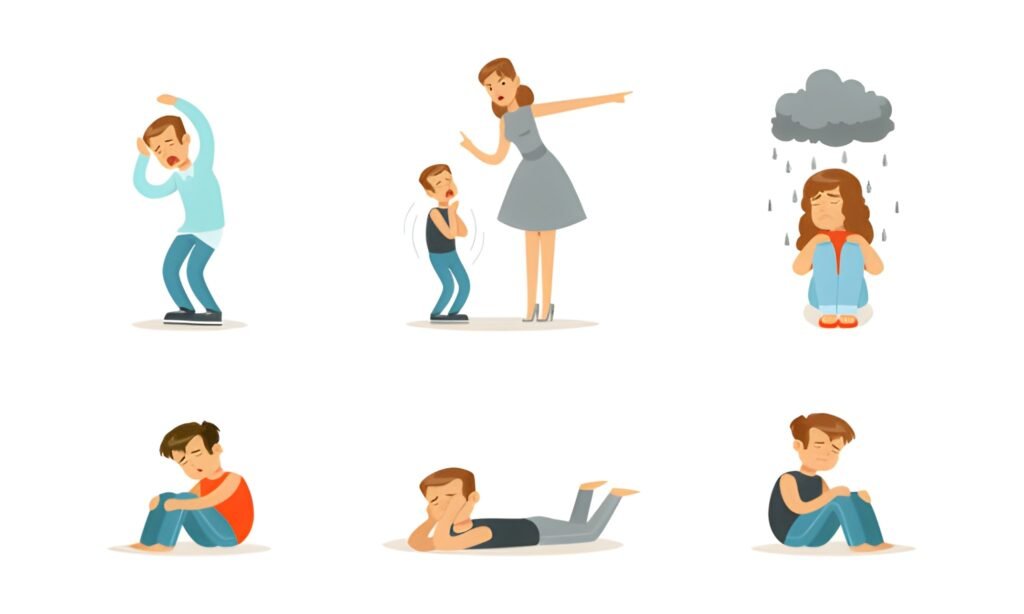
Exposure to chronic stress or trauma can impact a child’s emotional, cognitive, and physical health. Symptoms may include anxiety, hypervigilance, academic difficulties, or social withdrawal. Early detection and supportive interventions, such as counseling or therapy, can mitigate long-term effects.
Fact 10: Individual Differences Are Significant
No two children develop identically. Genetics, environment, culture, and temperament all influence growth. Recognizing these differences prevents unrealistic comparisons and promotes personalized support strategies. For example, some children excel in logical reasoning but struggle with social interactions, while others display opposite strengths.
Comparison Table: Typical vs. Delayed Development Signs
| Domain | Typical Development | Signs of Possible Delay |
|---|---|---|
| Motor Skills | Crawling by 9 months, walking by 12–15 months | Not sitting or walking by 18 months |
| Language | 2-word phrases by age 2 | Limited speech by age 3 |
| Social | Responds to name, shows empathy | Avoids eye contact, limited social interaction |
| Cognitive | Solves simple problems | Difficulty following instructions or learning concepts |
| Emotional | Expresses basic emotions | Excessive fear, aggression, or withdrawal |
Applications of Child Psychology
Child psychology principles guide parents, educators, and professionals in:
- Education: Designing curricula and teaching methods suited to developmental stages.
- Therapy and Counseling: Addressing behavioral, emotional, or learning difficulties.
- Parenting Strategies: Providing age-appropriate guidance, discipline, and support.
- Policy and Program Development: Informing programs for child welfare, mental health, and early education.
Conclusion
Understanding these ten facts about child psychology provides a foundation for supporting children’s growth across emotional, cognitive, and social domains. Awareness of developmental milestones, attachment, play, language acquisition, and individual differences equips caregivers and educators to create nurturing environments that foster healthy development. Recognizing stress, trauma, and behavioral variations ensures timely intervention, maximizing a child’s potential and overall well-being.