Raising a psychologically healthy child involves more than meeting basic physical needs; it requires nurturing emotional, social, and cognitive development. Parents, caregivers, and educators play a critical role in shaping a child’s mental well-being, resilience, and coping skills. The following ten methods provide evidence-based strategies to support children in becoming emotionally balanced, socially competent, and confident individuals.
Method 1: Establish a Secure Attachment
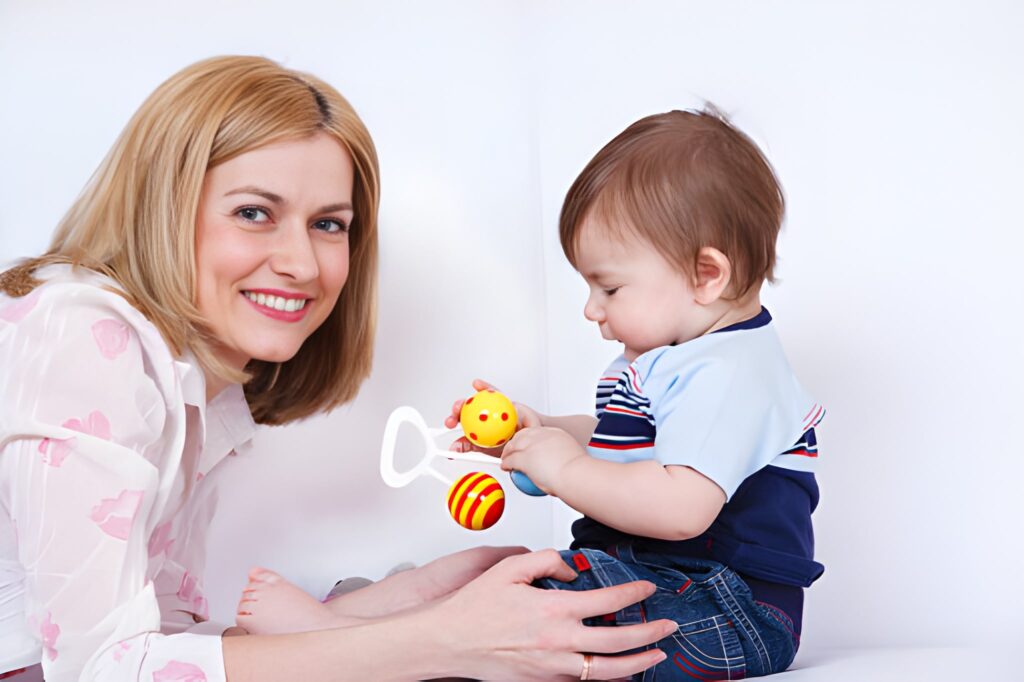
Secure attachment forms the foundation for emotional health. Responsive parenting—attending to a child’s needs consistently—helps children feel safe and valued. Securely attached children tend to develop better self-esteem, empathy, and social competence. For infants, this includes promptly responding to cries, maintaining eye contact, and providing consistent comfort.
Method 2: Encourage Open Communication
Creating an environment where children feel heard and understood fosters trust and emotional intelligence. Encourage children to express feelings, ask questions, and share experiences without fear of judgment. For older children, discussing emotions, problem-solving strategies, and social interactions promotes self-awareness and coping skills.
Method 3: Promote Positive Discipline and Boundaries
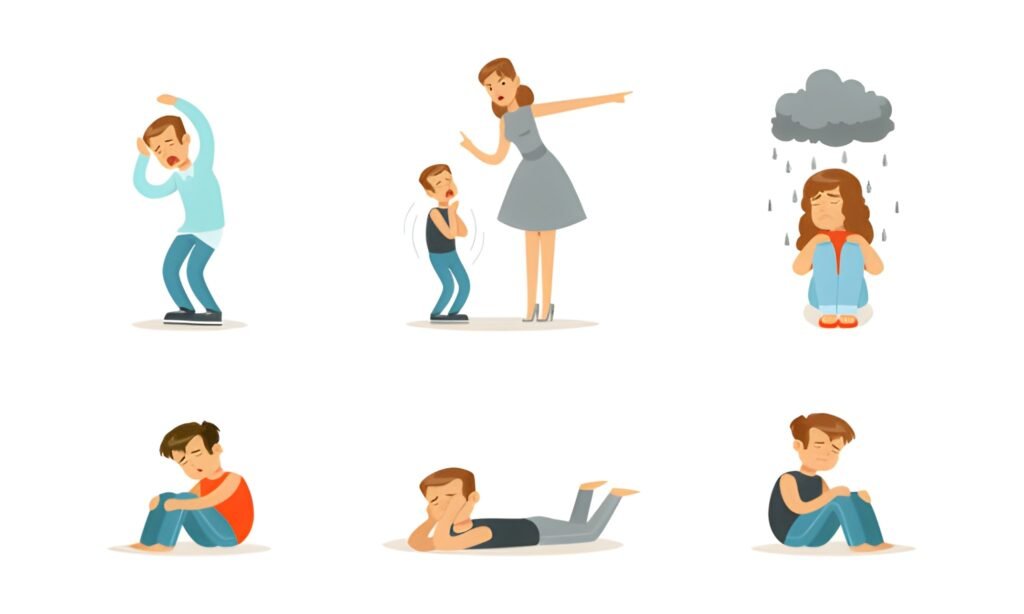
Effective discipline teaches children self-control and accountability without causing fear or shame. Methods such as time-outs, setting clear expectations, and natural consequences help children learn the results of their actions. Avoiding harsh punishment and instead using guidance and discussion encourages internalization of values rather than fear-based compliance.
Method 4: Foster Emotional Intelligence
Teaching children to recognize, understand, and manage their emotions supports psychological resilience. Activities such as naming feelings, discussing reactions to situations, and role-playing social scenarios develop emotional literacy. Emotional intelligence correlates with better interpersonal relationships, academic success, and stress management.
Method 5: Encourage Healthy Social Relationships
Children learn essential life skills through social interactions. Facilitating playdates, group activities, and team-based tasks helps children develop empathy, cooperation, and conflict-resolution skills. Modeling positive social behavior and discussing experiences can reinforce prosocial skills.
Method 6: Support Cognitive and Creative Development
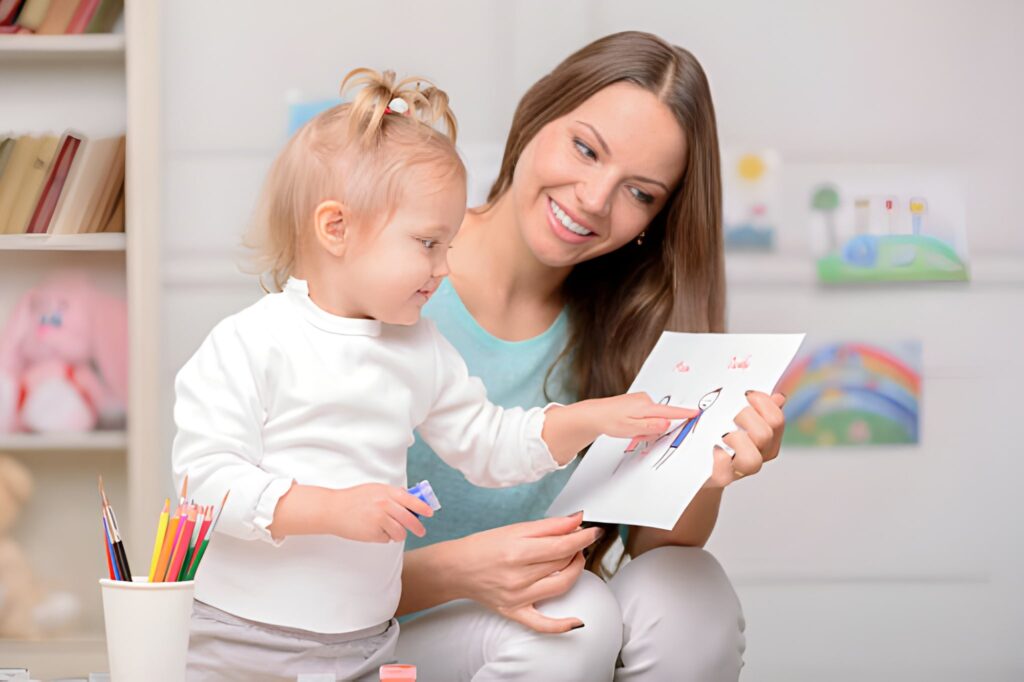
Cognitive stimulation enhances problem-solving, critical thinking, and adaptability. Reading together, engaging in puzzles, creative arts, and educational games strengthens mental agility. Encouraging curiosity, experimentation, and asking open-ended questions promotes a growth mindset, where children view challenges as opportunities rather than threats.
Method 7: Establish Consistent Routines
Predictable daily routines provide children with a sense of security and stability. Regular meal times, sleep schedules, and designated periods for play and learning reduce stress and enhance emotional regulation. Routines also teach time management, responsibility, and planning skills from an early age.
Method 8: Promote Physical Health and Well-Being
Physical and psychological health are deeply connected. Regular physical activity, balanced nutrition, and adequate sleep improve mood, concentration, and stress management. Active play, outdoor time, and family exercise routines support both physical development and emotional resilience.
Method 9: Model Healthy Coping Strategies
Children learn by observing adults. Demonstrating effective stress management, problem-solving, and emotional regulation equips children with tools to handle adversity. Parents who model calm responses to challenges, express feelings constructively, and practice mindfulness provide children with practical coping examples.
Method 10: Provide Supportive and Stimulating Environments
A psychologically healthy child benefits from environments that nurture curiosity, creativity, and independence while ensuring safety and guidance. Environments that balance freedom with structure, encourage exploration, and celebrate achievements foster confidence and intrinsic motivation. Minimizing exposure to chronic stressors, excessive screen time, or negative influences further supports well-being.
Comparison Table: Methods vs. Expected Psychological Outcomes
| Method | Expected Outcome |
|---|---|
| Secure Attachment | Trust, confidence, empathy |
| Open Communication | Self-expression, emotional intelligence |
| Positive Discipline | Self-control, accountability |
| Emotional Intelligence | Stress management, empathy, social competence |
| Healthy Social Relationships | Cooperation, conflict resolution, friendship skills |
| Cognitive & Creative Development | Problem-solving, curiosity, resilience |
| Consistent Routines | Security, time management, emotional stability |
| Physical Health | Mood regulation, concentration, resilience |
| Modeling Coping Strategies | Practical stress management, adaptive behaviors |
| Supportive Environment | Confidence, independence, intrinsic motivation |
Illustrative Example: Implementing Multiple Methods
Consider a 6-year-old child starting school:
- Attachment: The child feels secure because the caregiver maintains supportive routines at home.
- Communication: The parent discusses daily experiences, encouraging the child to share feelings about school.
- Discipline: Clear rules about screen time and homework teach responsibility without punishment.
- Social & Emotional Development: Playdates and team activities at school enhance social skills and empathy.
- Cognitive Stimulation: Reading together and creative projects encourage curiosity and problem-solving.
- Physical Health: Outdoor play and adequate sleep ensure energy and emotional balance.
By combining these strategies, caregivers create a comprehensive support system for psychological well-being.
Data Insight: Psychological Well-Being and Parenting Practices
A study published in the Journal of Child Psychology and Psychiatry (2020) found that children exposed to consistent, nurturing parenting with positive discipline scored 20–30% higher on emotional regulation assessments than peers with inconsistent or punitive parenting.
Conclusion
Raising a psychologically healthy child requires intentional, consistent efforts across emotional, social, cognitive, and physical domains. These ten methods—secure attachment, open communication, positive discipline, emotional intelligence, social development, cognitive stimulation, routines, physical health, modeling coping strategies, and supportive environments—provide a structured approach for parents and caregivers. Applying these strategies in combination fosters resilience, empathy, self-confidence, and overall mental well-being, preparing children for a balanced, adaptive, and fulfilling life.