21 Weeks Pregnancy: Entering the Second Half of the Second Trimester
Fetal Sensory Milestones, Maternal Discomfort Management, and Prenatal Preparation
Table of Contents
At 21 weeks pregnant, you stand firmly in the middle of the second trimester—often dubbed the "honeymoon period"—but you have also crossed into the second half of the entire gestation. This transition brings a shift from major structural development to critical sensory and functional refinement for the fetus. For the pregnant individual, the physical changes become more pronounced, demanding proactive management of musculoskeletal discomforts related to rapid weight and size gain. Understanding these intertwined developmental and maternal milestones is key to confidently navigating the weeks ahead.
Fetal Milestones: Sensory Development
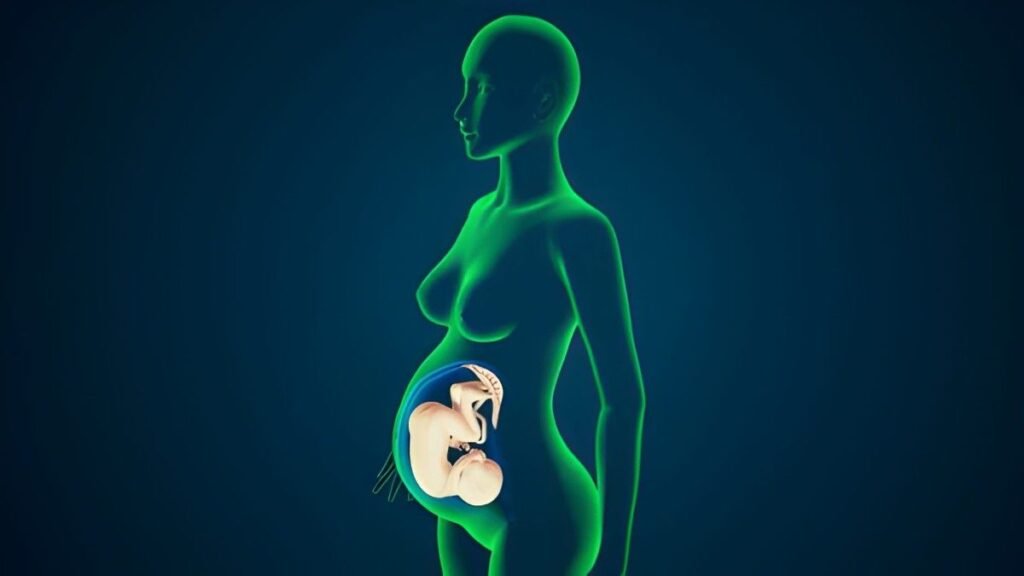
At 21 weeks, the fetus measures approximately 10.5 inches long (about the length of a large carrot or banana) and weighs roughly 12 to 15 ounces. The development is now primarily focused on function and preparation for life outside the womb.
Sensory Activation: Hearing and Taste
The sense of hearing is now fully functional. The fetus can clearly hear sounds from the outside world, although they are muffled by the amniotic fluid. They respond best to low-frequency sounds, such as the mother’s voice, breathing, and heartbeat. This is an excellent time to begin talking, reading, or singing to the baby, establishing prenatal bonding. Furthermore, the fetus is now swallowing amniotic fluid and detecting its changing flavors, which are influenced by the maternal diet, subtly preparing the palate for future foods.
Bone Marrow Takes Over Blood Production
A crucial physiological transition occurs around this time: the bone marrow takes over the primary production of blood cells (hematopoiesis) from the liver and spleen. This signals a major maturation of the circulatory system. The red blood cells generated by the marrow are now essential for carrying oxygen and nutrients throughout the rapidly expanding fetal body.
Establishing Sleep and Wake Cycles
The fetus begins to show more predictable patterns of rest and activity. These sleep cycles often involve periods of deep rest and rapid eye movement (REM) sleep, essential for brain development. Parents typically notice that the most active periods occur when the mother is resting, as maternal movement often lulls the fetus to sleep.
Maternal Body: Growth and Physical Shift
The uterus has now risen several centimeters above the naval, contributing to noticeable physical and mechanical changes in the maternal body.
Increased Appetite and Steady Weight Gain
Most individuals experience a steady, healthy increase in appetite during the second trimester. Caloric needs increase by approximately 300 to 350 calories per day over pre-pregnancy levels. The focus remains on nutrient density (protein, fiber, iron) to support energy levels and fetal growth, rather than simply consuming more food. Recommended weight gain averages about one pound per week during this phase.
Skin Changes and Body Heat
Increased blood volume (which can be 40-50% higher than pre-pregnancy) and hormonal shifts contribute to a few visible changes:
- Linea Nigra: The dark vertical line running from the navel down to the pubic bone becomes more prominent due to hormonal pigmentation changes. This fades after delivery.
- Increased Body Temperature: The higher metabolic rate and increased blood volume often lead to feeling warmer than usual, sometimes resulting in mild night sweats.
Targeted Discomfort Management
The physical load of pregnancy increases weekly. Discomforts are no longer just hormonal side effects; they are mechanical consequences of size and gravity.
Lower Back Pain and Sacroiliac Instability
The hormone relaxin, coupled with the anterior tilt of the pelvis caused by the growing belly, destabilizes the pelvic joints. This frequently causes pain concentrated in the lower back (lumbar region) and the sacroiliac joints (hips). Effective management involves targeted prenatal stretching, supportive footwear, and proper sitting posture.
Edema and Circulatory Care
Mild swelling (edema) in the ankles and feet is common due to increased fluid retention and uterine pressure on the major veins returning blood from the legs. Strategies to manage this include:
- Elevate feet frequently throughout the day.
- Wear compression stockings (especially if standing for long periods).
- Avoid clothing that restricts circulation at the ankles or knees.
Interactive Discomfort Relief Guide
Use this guide to receive actionable advice on easing the most common musculoskeletal pains encountered at 21 weeks.
Which discomfort is most bothersome right now?
Prenatal Care: Glucose Screening Preparation
The window for the Glucose Tolerance Test (GTT)—the primary screening for Gestational Diabetes Mellitus (GDM)—is rapidly approaching. This test is typically performed between Weeks 24 and 28, meaning you are only a few weeks away from this key assessment.
The Importance of Screening
GDM is a condition where the body cannot produce enough insulin to manage blood sugar during pregnancy. While manageable, untreated GDM can lead to complications, including excessive fetal growth (macrosomia) and increased risk of preterm delivery. Preparing for the GTT does not involve restricting diet beforehand (which can skew results), but rather focusing on general healthy eating habits to maintain stable blood sugar levels in the weeks leading up to the test.
Summary and Focus Points
At 21 weeks, the journey shifts into a phase of heightened sensory development for the fetus and amplified physical demands for the mother. The fetal world is now a symphony of muffled maternal sounds, strengthening the earliest forms of bonding. For the pregnant individual, addressing back and hip pain through targeted support and posture correction is paramount. Use this time to establish habits that prioritize rest and comfort, ensuring you are well-nourished and prepared for the upcoming crucial prenatal screening milestones.