
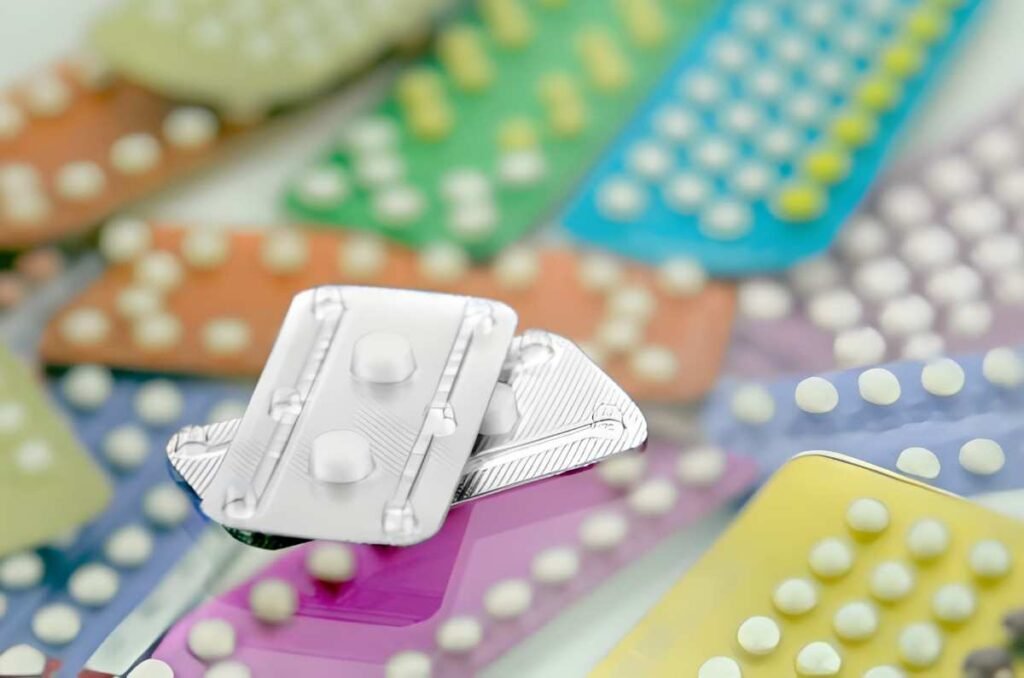
Postcoital Contraception Guidelines
The 24-Hour Pill: Emergency Contraception at CVS, Usage, and Effectiveness
The phrase "24-hour pill for pregnancy" refers to emergency contraception (EC), often called the morning-after pill. While most emergency contraceptive pills are effective for up to 72 hours (3 days) or even 120 hours (5 days), they are most effective when taken within the first 24 hours. The most common type available over-the-counter (OTC) at US pharmacies like CVS is the Levonorgestrel 1.5mg regimen. Understanding the mechanism, the critical time windows, and the available options is essential for immediate, informed action.
Table of Contents
Mechanism of Action and Efficacy Timeline
Emergency contraceptive pills work primarily by delaying or preventing ovulation, meaning they prevent the release of an egg from the ovary. If the egg is never released, fertilization cannot occur.
Levonorgestrel (The 24-Hour Focus)
Products like Plan B One-Step (and generics such as Take Action or My Way) contain the progestin hormone levonorgestrel (LNG) at a 1.5 mg dose. This is the pill most often focused on the 24-hour window because its effectiveness decreases significantly with every passing hour.
- Primary Action: Blocks the luteinizing hormone (LH) surge, which is the hormonal signal for ovulation.
- Timeline: LNG is FDA-approved for use up to 72 hours (3 days) after unprotected sex, but it is most effective when taken within 24 hours. If taken within 24 hours, it can reduce the risk of pregnancy by up to 89%.
Dispelling the Misconception
Emergency contraception is not an abortion pill. It does not terminate an established pregnancy (one that has already implanted). It works entirely to prevent pregnancy from starting by disrupting the steps that lead up to implantation.
OTC Emergency Contraception Options at CVS
CVS Pharmacies typically stock several brands of emergency contraception. The active ingredient and the required access level define the key difference between these products.
Levonorgestrel (LNG) Options
These are available over-the-counter, with no age restriction, prescription, or ID required. They are typically found on the shelf, often near other family planning items.
| Brand Example (at CVS) | Active Ingredient | Maximum Effective Window |
|---|---|---|
| Plan B One-Step | Levonorgestrel (1.5 mg) | 72 hours (3 days) |
| Take Action | Levonorgestrel (1.5 mg) | 72 hours (3 days) |
| My Way | Levonorgestrel (1.5 mg) | 72 hours (3 days) |
Prescription Option (Ulipristal Acetate)
A second, more effective option exists, though it requires a prescription and is typically kept behind the pharmacy counter.
- Ella (Ulipristal Acetate): This prescription pill is effective for up to 120 hours (5 days) after unprotected sex, and its efficacy does not decline over this time period. It is often recommended for individuals with a higher BMI (Body Mass Index) or when more than 72 hours have passed.
Access, Cost, and Availability
Accessibility of Levonorgestrel-based EC products is designed for urgency.
Over-the-Counter Purchase
Because Levonorgestrel pills are available on the shelf, they can be purchased at any time the CVS store is open, without needing to interact with a pharmacist or healthcare provider. This ensures the pill can be taken as soon as possible, maximizing its effectiveness.
Expected Side Effects and Follow-up Care
Emergency contraception is generally safe, but the high dose of hormones can cause temporary side effects.
Common Transient Side Effects
- Nausea and Vomiting: This is the most frequently reported side effect. If vomiting occurs within two to three hours of taking the pill, contact a healthcare provider, as another dose may be necessary. Taking the pill with food can help mitigate this.
- Headache and Fatigue: Common hormonal side effects that typically resolve within 24 hours.
- Menstrual Changes: The next menstrual period may be delayed or arrive slightly early. Bleeding may be heavier or lighter than usual.
Interactive Tool: Menstrual Cycle Adjustment
Next Period Estimator
Enter your expected period date (14 days after ovulation) to see the typical range after taking emergency contraception.
When to Follow Up with a Provider
Contact a healthcare provider immediately if:
- The next menstrual period is delayed by more than seven days.
- Severe lower abdominal pain develops three to five weeks after taking the pill (a potential sign of ectopic pregnancy).
- Vomiting occurs within three hours of taking the pill.
Effectiveness Factors and Limitations
While highly effective, emergency contraception is not 100 percent guaranteed and should not replace regular contraceptive methods.
Key Limitations of Levonorgestrel Pills
- Timing is Absolute: The closer to ovulation the pill is taken, the less effective it becomes. If ovulation has already occurred, the pill will likely not prevent pregnancy.
- Body Weight: Levonorgestrel is less effective in individuals who weigh over 165 pounds or have a BMI over 25, and efficacy may drop significantly in higher weight ranges. Ella is generally considered a better option in these cases.
- Drug Interactions: Certain medications, including some anti-seizure medications and the herbal supplement St. John's wort, can reduce the efficacy of emergency contraceptive pills.
The Levonorgestrel pill is an accessible, safe, and effective emergency option available over-the-counter at CVS. Taking the dose within the first 24 hours maximizes its protective effect by swiftly blocking ovulation. Recognizing the product's limitations and seeking clinical follow-up for extreme delays or unexpected pain ensures proper management and continued reproductive health.



