3-Day Bleeding Followed by a Positive Pregnancy Test: A Clinical Interpretation
Analyzing implantation, early loss, and necessary diagnostics after ambiguous bleeding.
Article Roadmap
Defining Bleeding in Early Pregnancy: Not Always a Period
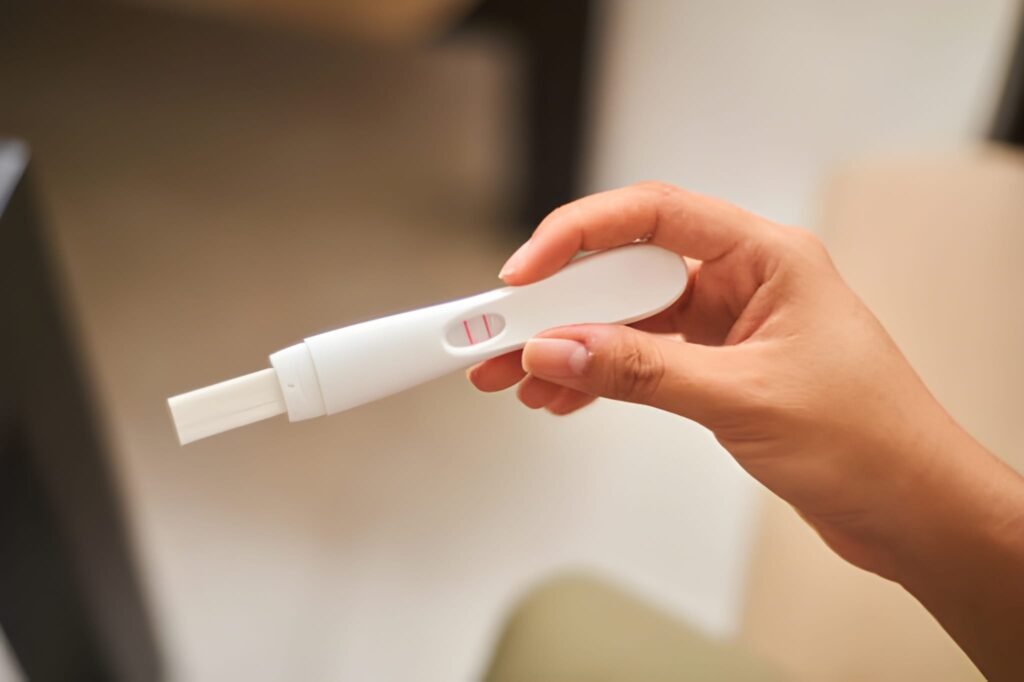
Experiencing a bleeding episode that lasts approximately three days, consistent with a shortened menstrual cycle, only to find a positive result on a home pregnancy test (HPT) days later, is clinically complex. It is essential to recognize that a true menstrual period signals the complete hormonal collapse of the cycle and the shedding of the entire uterine lining, making pregnancy biologically impossible immediately thereafter. Therefore, if the test is positive, the 3-day bleeding event was not a standard period.
Bleeding is Common, But Always Requires Evaluation
Light bleeding or spotting affects up to 30% of women in the first trimester. While often benign, the positive test coupled with a bleeding event necessitates professional medical assessment to differentiate between normal physiological occurrences and complications that require intervention.
Period vs. Bleeding: A Crucial Distinction
| Feature | Typical True Period | Non-Period Bleeding (Implantation/Threat) |
|---|---|---|
| Duration | 4 to 7 days (consistent for the individual). | 1 to 3 days (shorter than normal). |
| Flow Intensity | Requires tampons or pads (heavy flow day 1-2). | Light spotting; usually only requires a liner; never clots. |
| Color | Bright red, consistent. | Pink, light brown, or rust-colored. |
| Pain | Strong, debilitating uterine contractions. | Mild, dull cramping or stretching sensation. |
Scenario 1: The Most Common Cause—Implantation Bleeding
The most frequent and least concerning explanation for 3 days of light bleeding near the expected period date is implantation bleeding.
Physiology of Implantation Bleeding
Implantation occurs when the developing embryo burrows into the richly vascularized lining of the uterus, typically between 6 and 12 days past ovulation (DPO). This physical embedding process can cause a slight disturbance and rupture a few small blood vessels in the uterine wall, leading to brief, light vaginal spotting.
- Timing Coincidence: Implantation often occurs around the time the menstrual period is due, leading to the confusion.
- Duration and Flow: The bleeding is typically light, lasts one to three days, and is often characterized by a pink or brown color due to the blood being older. Critically, it does not involve the heavy, sustained flow necessary to shed the entire endometrial lining.
Scenarios 2 & 3: Early Loss or Threatened Miscarriage
Two other scenarios involving actual loss of pregnancy tissue or a threatened loss must be clinically distinguished from benign implantation bleeding.
Chemical Pregnancy (Very Early Loss)
If the 3-day bleeding was actually a heavier, true period-like flow, the positive test that follows indicates a **chemical pregnancy**.
- Hormonal Pattern: The embryo successfully implanted and began producing hCG, causing the positive result. However, the embryo failed to progress and the body subsequently shed the lining (the 3-day "period").
- Positive After Bleeding: The HPT remains positive for a few days after the bleeding because residual hCG hormone levels take time to clear from the bloodstream and urine. Subsequent tests would show rapidly fading lines or negative results.
Threatened Miscarriage
If the positive test is strong and subsequent tests show rising hCG, but bleeding occurred (especially bright red blood), the pregnancy is often classified as a **threatened miscarriage**.
- Subchorionic Hematoma (SCH): This is the most common cause. It involves bleeding that collects between the uterine wall and the chorion (outer membrane of the gestational sac). This is not bleeding *from* the baby, but from the uterine lining, and it can bleed for days. The pregnancy is still viable, but requires monitoring.
- Cervical Changes: Hormonal changes increase vascularity in the cervix, making it prone to bleeding after intercourse or strenuous activity.
The Critical Risk: Ectopic Pregnancy
Whenever vaginal bleeding occurs during a confirmed pregnancy (via HPT), the most urgent step is to rule out an ectopic pregnancy.
Ectopic Pregnancy and Bleeding
An ectopic pregnancy, where the embryo implants outside the uterus (most often in the fallopian tube), can cause bleeding because the abnormal implantation site is unstable. The hormone levels in an ectopic pregnancy are often erratic or rise slowly, causing unusual symptoms and the subsequent bleeding episode.
Warning: Symptoms Requiring Immediate Care
If the 3-day bleeding was followed by a positive test, and you experience any of the following, seek emergency medical attention immediately, as they may indicate a ruptured ectopic pregnancy:
- Severe, sharp abdominal pain, particularly localized on one side.
- Pain that radiates to the shoulder tip.
- Dizziness, fainting, or weakness.
- Heavy vaginal bleeding or passing large clots.
Immediate Action and Clinical Triage
Any bleeding during pregnancy, even if light, requires immediate notification of a healthcare provider. The primary goal of clinical triage is to confirm the pregnancy location and assess its viability.
Step 1: Serial Serum HCG Testing
The provider orders a quantitative blood test to measure the precise level of hCG. Crucially, this test is repeated 48 hours later to check the **doubling time**.
- Healthy Pregnancy: HCG levels rise by at least 60% (ideally double) in 48 hours.
- Ectopic or Threatened Loss: HCG levels rise slowly, plateau, or fall.
- Chemical Pregnancy: HCG levels fall rapidly.
Step 2: Early Ultrasound
A transvaginal ultrasound is often used to confirm the location. If hCG levels are high enough (typically over 1,500 mIU/mL), a gestational sac should be visible inside the uterus. The presence of a sac rules out an ectopic pregnancy.
Diagnosis, Management, and Emotional Support
The diagnosis dictates the course of management, but the emotional impact of the uncertainty requires equal attention.
Management Strategies
- Implantation Bleeding: Requires no medical treatment. The patient is advised to maintain pelvic rest (no intercourse) and monitor symptoms closely.
- Threatened Miscarriage (Viable): Requires "expectant management"—close monitoring with serial ultrasounds and blood tests, often coupled with activity modification.
- Ectopic Pregnancy: Requires immediate intervention, either through medication (Methotrexate) or surgery, to resolve the non-viable pregnancy and protect the patient's fallopian tube.
Socioeconomic Factors in Serial Testing
The need for serial blood draws every 48 hours places a high logistical and financial burden on patients. For uninsured or low-income women in the U.S., the cost and frequency of these essential diagnostic tests—required to rule out life-threatening ectopic pregnancy—can be prohibitive. Patients must communicate financial constraints to their providers, often requiring referral to hospital lab services or specialized clinics that can provide rapid, affordable turnarounds on the necessary quantitative hCG levels. This essential monitoring cannot be compromised, regardless of cost.
Emotional Closure and Moving Forward
Waiting for the results of serial hCG tests after a bleeding scare generates intense anxiety. Acknowledging the validity of this fear is crucial. If the pregnancy proves viable, the emotional reassurance of the ultrasound provides a strong foundation for moving forward. If the diagnosis is a chemical pregnancy or early loss, recognize that this is a true biological loss requiring grief and emotional support. Most women who experience an early loss go on to have healthy, successful subsequent pregnancies.