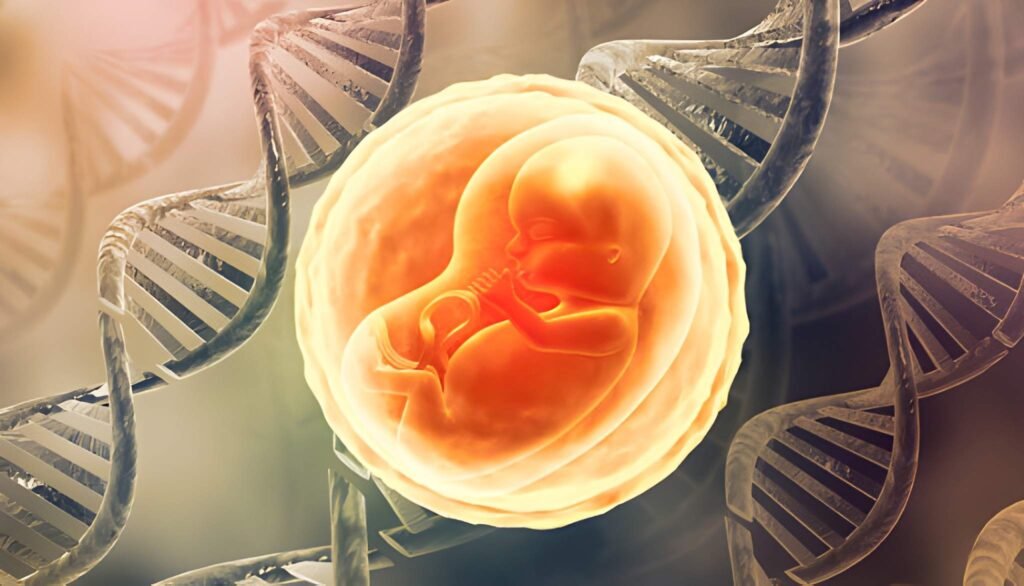
A central mystery of biology involves how a fetus, which carries genetic material from both parents, survives within the mother’s body without being rejected as a foreign invader. Traditionally, people viewed the fetal and neonatal immune systems as simply "weak" or "immature." However, modern immunology reveals a far more complex reality. The fetal immune system is not incapable; rather, it is actively tolerogenic. It intentionally suppresses aggressive responses to avoid damaging the mother or the developing child, while simultaneously preparing for a massive environmental shift at birth.
The Fetal Immunological Paradox
For nine months, the fetus exists in a sterile, temperature-controlled environment. During this time, the primary challenge is the "foreign" antigens present in the maternal bloodstream. If the fetus possessed a fully aggressive adult immune system, the resulting inflammatory response would likely lead to miscarriage. Instead, the fetal system prioritizes Regulatory T-cells (Tregs). These specialized cells act as peacekeepers, suppressing inflammation and promoting tolerance.
This state of tolerance remains essential until the moment of birth. While the fetus creates its own B-cells and T-cells as early as the first trimester, these cells remain in a "naive" state. They are like a standing army that has been ordered never to fire. This ensures that the energy of the developing organism is spent on organogenesis and growth rather than defense.
The Great Transfer: IgG and the Placenta
Because the fetal immune system remains intentionally quiet, the child requires an alternative form of protection. This is provided through Passive Immunity. During the third trimester, a specialized process begins where maternal Immunoglobulin G (IgG) antibodies are actively transported across the placenta into the fetal circulation. This is the only class of antibody capable of making this journey.
| Antibody Type | Source | Primary Function | Duration |
|---|---|---|---|
| IgG | Placental Transfer | Systemic protection; neutralizes toxins and viruses. | 3 to 6 months post-birth |
| IgA | Breast Milk / Colostrum | Mucosal protection; lines the gut and lungs. | Duration of breastfeeding |
| IgM | Fetal/Neonatal Production | Early response to new infections; first self-made antibody. | Lifetime (self-produced) |
The concentration of IgG in the fetus eventually exceeds maternal levels by the time of birth. This ensures that the newborn arrives with a "snapshot" of the mother's immune experience. Every virus or bacterium the mother has successfully fought off provides a library of protective antibodies for the child. This systemic shield is vital because the newborn's own antibody production will not reach significant levels for several months.
The Neonatal Transition: Day One Realities
Birth represents the most dramatic immunological event in a human life. In a matter of seconds, the child moves from a sterile womb to a world teeming with trillions of microbes. The skin, lungs, and gastrointestinal tract are immediately colonized. This is known as the Primary Colonization. The immune system must now distinguish between "commensal" bacteria (good bacteria) and pathogens (harmful bacteria).
Liquid Intelligence: Milk-Borne Antibodies
While IgG provides systemic protection, the newborn’s vulnerable mucosal surfaces (the gut and respiratory tract) require a different guardian. This arrives in the form of Secretory IgA via breast milk. Unlike IgG, which circulates in the blood, IgA stays on the surface of the intestines. It acts like a "biological paint," preventing pathogens from adhering to the gut wall and entering the bloodstream.
Colostrum, the "first milk" produced in the days immediately following birth, is exceptionally dense with white blood cells and antibodies. It contains roughly 100 times the concentration of IgA found in mature milk. It also contains lactoferrin, which binds to iron, making it unavailable to harmful bacteria like E. coli that need iron to thrive.
Yes, but the process is slow. A newborn can produce IgM antibodies within days of exposure to a new antigen. However, the more sophisticated IgG and IgA production by the infant's own B-cells does not reach adult-like efficiency until the child is between 6 and 12 months old.
Mathematical Models of Antibody Decay
Passive immunity is a finite resource. Because the maternal IgG antibodies are proteins, they eventually break down and are cleared from the infant's system. Understanding the "half-life" of these antibodies is crucial for determining the timing of early childhood vaccinations. If a vaccine is given too early, the maternal antibodies might neutralize the vaccine before the infant’s own immune system can learn from it.
Half-life of IgG in Neonates: 21 to 28 days
Formula for Remaining Antibody (C):
C = Initial Concentration * (0.5 raised to the power of [Days / Half-life])
Example at 3 months (90 days) with a 30-day half-life:
C = 1,200 * (0.5 raised to 3)
C = 1,200 * 0.125
Result = 150 mg/dL
Note: When levels drop below approximately 200 mg/dL, the infant enters the "vulnerability gap" before their own production fully compensates.
Barriers to Immunity in Modern Contexts
In the United States, several factors can influence the strength of this immunological shield. Preterm birth is perhaps the most significant barrier. Since the bulk of IgG transfer occurs in the final weeks of pregnancy, babies born before 32 weeks often have dangerously low levels of maternal antibodies. These infants require specialized care, and sometimes intravenous immunoglobulin (IVIG) therapy, to survive the neonatal period.
Environmental factors, such as maternal nutrition and stress, also play a role. A mother who is malnourished may produce lower volumes of high-quality colostrum, leaving the infant's gut less protected. Furthermore, the "Hygiene Hypothesis" suggests that overly sterile environments in developed nations might prevent the necessary "priming" of the infant's immune system, potentially leading to higher rates of allergies and asthma later in life.
The Future of Neonatal Protection
As we advance into , research is focusing on Maternal Immunization. By vaccinating mothers during the third trimester for diseases like Pertussis (whooping cough) or Respiratory Syncytial Virus (RSV), we can ensure that the "Great Transfer" includes specific, high-potency antibodies against the most dangerous neonatal threats. This strategy effectively "borrows" the mother's mature immune system to protect the child during their most vulnerable window.
Ultimately, the fetus and newborn are not immune to antigens; they are in a state of carefully choreographed engagement with them. The transition from maternal protection to self-sufficiency is a masterpiece of biological timing. By understanding the ebb and flow of these antibodies and the active tolerance of the fetal system, we can better support the health of the next generation from their very first breath.