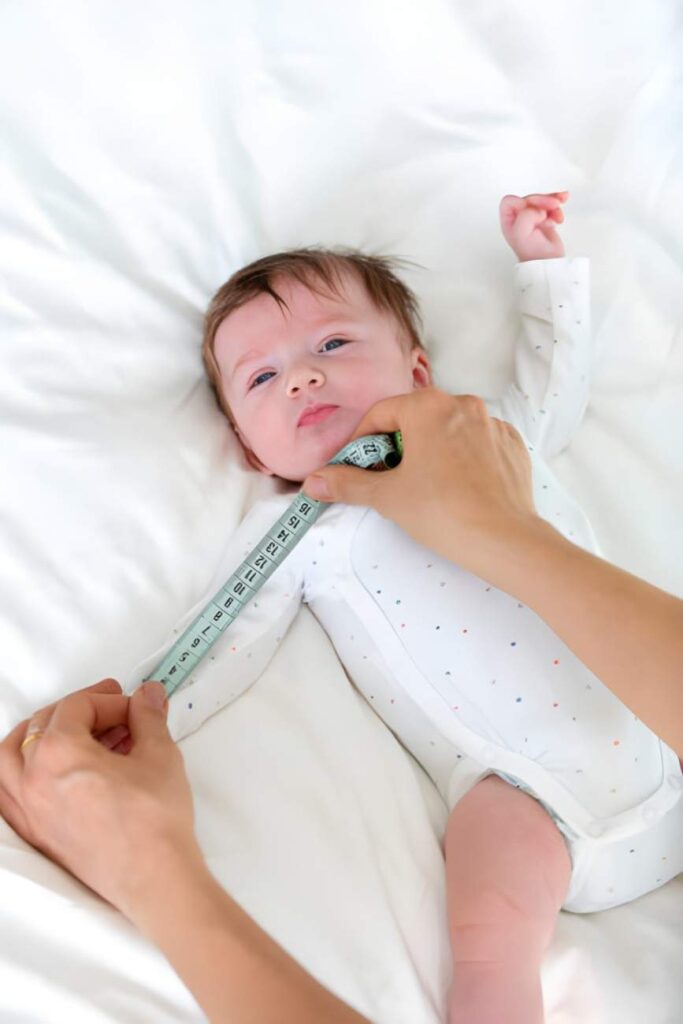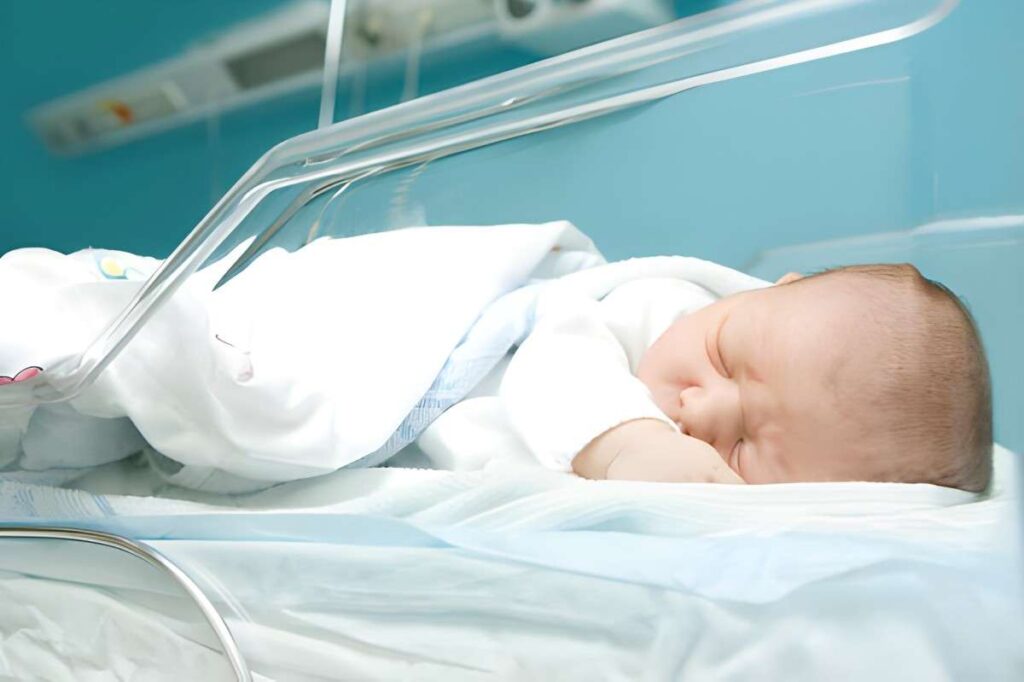
The first few days of a newborn's life involve a series of rapid biological adjustments. One of the most common observations in the neonatal nursery is the development of a yellowish tint to the skin and eyes, known as jaundice. While approximately 60 percent of full-term infants experience some degree of jaundice, the timing of its appearance serves as a critical diagnostic indicator. When a newborn displays visible jaundice 20 hours after birth, it falls within the first 24 hours of life. This specific timing transitions the condition from the common "physiological" category into the "pathological" category, necessitating immediate clinical attention and investigation.
Physiological vs. Pathological Jaundice
Medical professionals distinguish between jaundice types based on the speed of onset and the concentration of bilirubin in the blood. Bilirubin is a byproduct of the natural breakdown of red blood cells. Most infants develop physiological jaundice between the second and fourth day of life because their immature livers cannot yet process bilirubin efficiently. This type of jaundice usually resolves without intervention as the baby begins to feed more effectively and the liver matures.
However, jaundice appearing before the 24-hour mark is almost always considered pathological. This suggests that the bilirubin is accumulating at a rate that exceeds normal newborn limitations. When jaundice manifests at 20 hours, clinicians look for underlying factors such as blood group incompatibilities or hidden infections. The goal is to identify the source of the rapid red blood cell breakdown and prevent the bilirubin from reaching levels that could cross the blood-brain barrier.
Bilirubin Metabolism in the Neonate
To understand why timing matters, we must examine how the body handles waste. Red blood cells carry oxygen via hemoglobin. When these cells reach the end of their lifespan, they break down, releasing bilirubin. This "unconjugated" bilirubin is fat-soluble and circulates in the blood bound to a protein called albumin. The liver then converts it into "conjugated" bilirubin, which is water-soluble and can be excreted through bile into the intestines and eventually out of the body via stool.
Newborns face three distinct challenges in this process. First, they have a higher volume of red blood cells than adults. Second, these cells have a shorter lifespan, leading to a higher turnover rate. Third, the infant's liver enzymes are not yet fully active. When jaundice appears within 20 hours, it typically indicates that the rate of cell breakdown (hemolysis) is exceptionally high, overwhelming even a healthy newborn's capacity to process the pigment.
| Characteristic | Physiological Jaundice | Pathological Jaundice (Early Onset) |
|---|---|---|
| Onset Timing | After 24 hours (usually days 2–4) | Before 24 hours (e.g., 20 hours) |
| Bilirubin Rise | Slow, steady increase | Rapid increase (exceeding 5mg/dL per day) |
| Primary Cause | Normal liver immaturity | Blood incompatibility or infection |
| Treatment Frequency | Often requires only monitoring | Usually requires phototherapy |
Common Causes of Early Jaundice
Several conditions can trigger the rapid accumulation of bilirubin during the first day of life. Most of these involve immune-mediated destruction of the infant's red blood cells. When a mother's blood type differs from her infant's in specific ways, her antibodies can cross the placenta and attack the baby's cells.
Diagnostic Steps in the Nursery
When the nursing staff identifies jaundice at 20 hours, they initiate a standard workup. The first step involves measuring the bilirubin level. This can be done via a transcutaneous bilirubin (TcB) meter, which uses light reflected off the skin, or a total serum bilirubin (TSB) blood test, which is more accurate and required for early-onset cases.
Clinicians plot the result on a nomogram, a specialized graph that accounts for the infant's age in hours. A bilirubin level of 8 mg/dL might be acceptable at 48 hours but is considered "high risk" at 20 hours. Additional tests usually include a Direct Antiglobulin Test (DAT), also known as a Coombs test, to check for maternal antibodies on the infant's red cells, and a complete blood count (CBC) to check for anemia.
Example Scenario:
Bilirubin at 12 hours: 3.5 mg/dL
Bilirubin at 20 hours: 8.2 mg/dL
Calculation:
Rise = 8.2 - 3.5 = 4.7 mg/dL
Time elapsed = 8 hours
Velocity: 4.7 / 8 = 0.58 mg/dL per hour.
A rise of more than 0.2 mg/dL per hour is often a threshold for initiating phototherapy in the early hours of life, as it indicates significant active hemolysis.
Management and Phototherapy
The primary treatment for newborn jaundice is phototherapy. This involves exposing the infant's skin to special blue-spectrum light. These light waves penetrate the skin and change the shape and structure of bilirubin molecules through a process called photo-oxidation. This structural change makes the bilirubin water-soluble, allowing the infant to bypass the liver's processing steps and excrete the pigment directly in the urine and bile.
During phototherapy, the infant is placed in a bassinet or incubator wearing only a diaper and protective eye patches. The medical team monitors the baby's temperature and hydration levels closely. Because phototherapy can increase fluid loss through the skin, ensuring frequent feedings—usually every 2 to 3 hours—is essential. In severe cases of early-onset jaundice where phototherapy is insufficient, an "exchange transfusion" may be performed to manually remove bilirubin and maternal antibodies from the circulation.
Long-term Safety and Kernicterus
The urgency surrounding early-onset jaundice is rooted in the prevention of kernicterus. This is a rare but devastating form of permanent brain damage caused by excessively high levels of unconjugated bilirubin. Because unconjugated bilirubin is fat-soluble, it can cross the blood-brain barrier and deposit in the basal ganglia, the part of the brain responsible for movement and coordination.
Symptoms of early bilirubin toxicity include extreme lethargy, a high-pitched cry, and poor feeding. If left untreated, it can progress to muscle rigidity or arching of the back. Fortunately, universal screening and the proactive use of phototherapy have made kernicterus exceedingly rare in modern medicine. By identifying jaundice at 20 hours and intervening immediately, healthcare providers ensure the safety and long-term neurological health of the newborn.
The Role of Hydration and Feeding
Feeding plays a silent but vital role in managing bilirubin. Bilirubin is primarily excreted through the stool. If an infant is not eating well, their bowels move slowly, allowing the body to "reabsorb" bilirubin from the intestines back into the bloodstream. For a baby with early-onset jaundice, maximizing the frequency of breastfeeding or formula feeding provides the necessary energy to process the pigment and the fluid volume to flush it out. In some cases, a lactation consultant may assist to ensure the infant is receiving adequate colostrum or milk.
As the infant approaches the 48-hour and 72-hour markers, the liver's efficiency typically improves. Once the bilirubin levels show a downward trend and fall below the treatment threshold on the nomogram, phototherapy is discontinued. A follow-up check within 24 to 48 hours of discharge is standard to ensure that the levels do not "rebound" once the infant is home.
Understanding the difference between the typical yellowing of a newborn and the early signals of a pathological process empowers parents to engage with the clinical team. While a jaundice diagnosis at 20 hours requires more tests and specialized light therapy, modern neonatal care is highly effective at managing these risks, allowing infants to transition safely from the nursery to their homes.