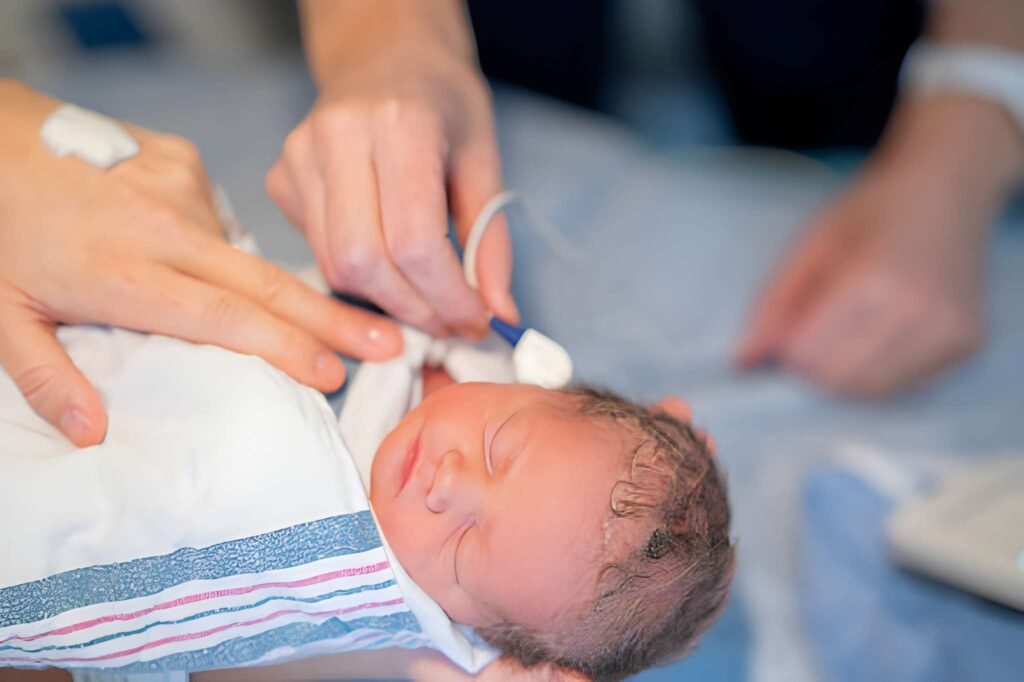
Clinical Management of Neonatal Substance Withdrawal
A comprehensive guide to Neonatal Abstinence Syndrome: From pathophysiological mechanisms to family-centered intervention strategies.
Neonatal Substance Withdrawal, or Neonatal Abstinence Syndrome (NAS), represents a complex clinical challenge following intrauterine exposure to specific substances. While most frequently associated with opioids—including prescription analgesics and illicit heroin—the condition also encompasses withdrawal from non-opioid substances like benzodiazepines, barbiturates, and certain antidepressants. When the infant transitions from the womb to the external environment, the sudden cessation of maternal substance supply triggers a multi-systemic physiological reaction.
Defining the Spectrum of Withdrawal
NAS is not a uniform diagnosis; rather, it exists on a spectrum of severity influenced by the type of substance, the timing of the last exposure, and the infant's genetic susceptibility. In the United States, the incidence of NAS significantly increased over the last decade, mirroring broader public health trends. Clinicians must distinguish between true NAS and the general irritability often seen in newborns during the first week of life.
In , healthcare models emphasize a move away from stigmatizing language, opting for "substance-exposed newborn" or "neonatal opioid withdrawal syndrome" (NOWS) when appropriate. This shift underscores a compassionate, medicalized approach to care that prioritizes the dyad of the mother and infant rather than punitive measures.
Recognizing Clinical Symptom Clusters
Symptoms of withdrawal manifest across three primary domains: the central nervous system (CNS), the gastrointestinal (GI) tract, and the autonomic nervous system. Recognizing these clusters early allows for the implementation of non-pharmacological interventions before physiological distress escalates.
Pathophysiological Mechanisms of Exposure
Substances cross the placenta via simple diffusion, reaching fetal blood concentrations similar to maternal levels. Opioids, specifically, bind to mu-opioid receptors in the fetal brain. Chronic exposure leads to receptor desensitization and down-regulation. At birth, the loss of the exogenous supply causes a surge in cyclic adenosine monophosphate (cAMP) levels, resulting in the characteristic hyper-excitability of the nervous system.
Beyond the immediate withdrawal period, clinicians monitor for "secondary withdrawal" or subacute symptoms. These might persist for weeks or months, manifesting as mild tremors, sleep disturbances, or sensitivity to environmental stimuli. The goal of management is to stabilize these neurological fluctuations while supporting the infant's nutritional requirements.
Assessment: The Shift from Finnegan to ESC
Historically, the Modified Finnegan Neonatal Abstinence Scoring System served as the gold standard. This detailed tool scores 21 items every few hours. However, recent evidence suggests that the Finnegan scale often leads to over-medication. As a result, many US hospitals have transitioned to the Eat, Sleep, Console (ESC) model.
Modified Finnegan Scale
- Method: Points assigned to specific behaviors (e.g., sneezing, tremors).
- Threshold: Medication often started at a specific point score (e.g., 8).
- Critique: Can be subjective and may ignore the baby's functional status.
Eat, Sleep, Console (ESC)
- Method: Focuses on whether the baby can eat, sleep for an hour, and be consoled.
- Threshold: Medication used only if non-drug care fails to support function.
- Success: Significantly reduces hospital stays and medication use.
First-Line Management Strategies
Non-pharmacological care is the bedrock of withdrawal management. These interventions focus on reducing environmental stimuli and leveraging the infant's natural biology for regulation. When these strategies are applied consistently, many infants navigate withdrawal without needing any pharmacological assistance.
1. Low Stimulation: Dim lights, minimal noise, and clustered care to protect sleep cycles.
2. Skin-to-Skin: Direct contact with a caregiver regulates the infant's heart rate, breathing, and temperature.
3. Rooming-In: Keeping the mother and baby together in the same room significantly lowers the infant's stress response.
4. Nutritional Support: High-calorie formulas or fortified breast milk to compensate for the high metabolic demands of withdrawal.
Medication Thresholds and Protocols
When an infant shows functional impairment—such as being unable to eat enough to gain weight or unable to sleep—pharmacological treatment becomes necessary. The objective is to provide a "tapered" exit from the substance, preventing seizures and excessive weight loss while allowing the nervous system to adjust.
| Medication | Classification | Clinical Use |
|---|---|---|
| Morphine | First-Line Opioid | Short half-life allows for frequent dosing and titration based on symptoms. |
| Methadone | Long-Acting Opioid | Provides more stable blood levels but requires a longer taper period. |
| Clonidine | Alpha-2 Agonist | Used as an adjunct to treat autonomic symptoms like high blood pressure and tremors. |
| Phenobarbital | Sedative/Anticonvulsant | Primarily used for non-opioid withdrawal or as a second-line agent for seizures. |
Assessment Calculation: The ESC Logic
Under the ESC model, clinicians ask three binary questions after every feed:
1. Did the baby eat >1oz (or breastfeed well)? [Yes/No]
2. Did the baby sleep >1 hour uninterrupted? [Yes/No]
3. Can the baby be consoled within 10 minutes? [Yes/No]
If any answer is "No," the team maximizes non-pharmacological care (e.g., more skin-to-skin). Pharmacological review only occurs if "No" persists despite optimal environment and parental presence.
Developmental and Future Trends
Research into the long-term impacts of neonatal withdrawal is ongoing. While most children with NAS do not exhibit major structural birth defects, they may face challenges in neurodevelopmental areas such as executive function, attention, and sensory processing. Early intervention programs (EIP) are essential to mitigate these risks.
Future trends in NAS care focus on community-based recovery. This involves moving the withdrawal process from the Neonatal Intensive Care Unit (NICU) to specialized outpatient centers or the home environment when safe. This approach reduces the "intensive care" trauma for the family and promotes bonding during a critical window of attachment.
Ultimately, the successful management of a newborn experiencing substance withdrawal requires a multidisciplinary team. Nurses, neonatologists, social workers, and lactation consultants must work in harmony with the parents. By shifting the focus from "treating a score" to "supporting a baby's function," the medical community can ensure better outcomes for the most vulnerable members of society.