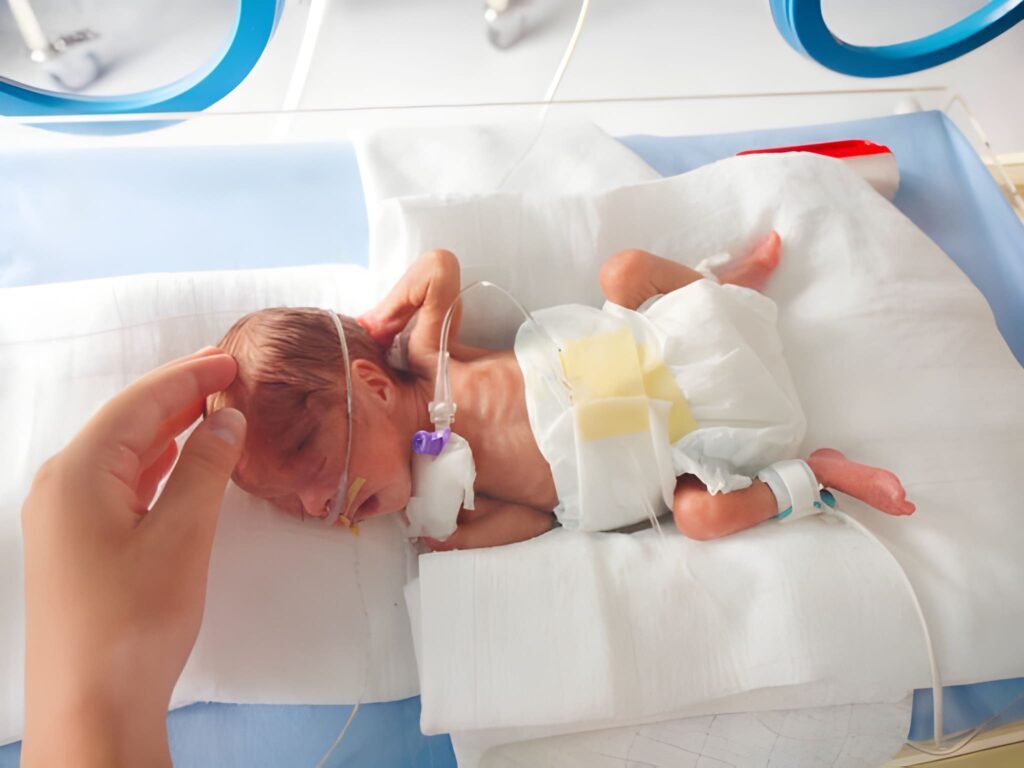
The 28-Week Milestone: Understanding the World of a Very Preterm Newborn
A delivery at 28 weeks gestation categorizes a newborn as very preterm. At this stage, the infant has navigated the most critical windows of viability but remains highly dependent on medical intervention to bridge the gap between fetal life and independent survival. In , medical advancements in the United States and globally have significantly improved the survival rates for 28-weekers, with most Neonatal Intensive Care Units (NICUs) reporting success rates exceeding 90%. This guide details the physiological realities, clinical expectations, and parental roles during this transition.
Anatomy of a 28-Weeker: Physical Characteristics
An infant born at 28 weeks weighs approximately 2 to 2.5 pounds (roughly 1,000 grams). Because the third trimester—the primary period for fat deposition—has been cut short, the infant appears remarkably lean. Their skin is their most fragile organ, often appearing translucent, shiny, and deep red.
The skin lacks a developed stratum corneum. It is highly permeable, making the baby susceptible to fluid loss and infection. You may see lanugo, a fine downy hair, covering much of the body.
Eyelids, which were fused until approximately 24-26 weeks, are now typically open. However, the infant cannot yet filter light or sound effectively, leading to rapid overstimulation.
Unlike a term baby who stays in a curled, flexed position, a 28-weeker often has "floppy" muscle tone. They tend to lie with their limbs extended, as they haven't yet developed the strength for physiological flexion.
Respiratory Support and the Role of Surfactant
At 28 weeks, the lungs have entered the saccular stage of development. While the basic structures for gas exchange are present, the lungs are stiff and lack sufficient surfactant—a soapy substance that prevents the air sacs (alveoli) from collapsing upon exhalation.
CPAP provides a constant stream of air through prongs in the nose. This pressure keeps the lungs slightly inflated at all times, making it easier for the baby to take their next breath. It is the most common form of non-invasive support for very preterm infants.
If the baby's respiratory effort is insufficient, a ventilator takes over the work of breathing. Modern NICUs use "protective ventilation" strategies to minimize the risk of lung tissue scarring, known as Bronchopulmonary Dysplasia (BPD).
The NICU Environment: The High-Tech Womb
The NICU serves as a transition zone designed to mimic the environment of the uterus as closely as possible. Since the baby cannot regulate their own body temperature, they live in an isolette (incubator).
Nutritional Requirements and Growth
A 28-weeker cannot yet coordinate the complex actions of sucking, swallowing, and breathing. This coordination usually doesn't emerge until 32 to 34 weeks gestation. Therefore, nutrition is provided through two primary routes: intravenously and through a tube.
For a 1,000g (1kg) infant, clinicians aim to provide approximately 120 calories daily to match the growth rate they would have achieved in the womb.
| Feeding Method | Description | Purpose |
|---|---|---|
| Total Parenteral Nutrition (TPN) | IV fluids containing fats, proteins, and sugars. | Provides immediate nutrients while the gut matures. |
| Gavage Feeding | A small tube (NG or OG) passed through the nose or mouth to the stomach. | Delivers breast milk or specialized formula directly to the stomach. |
| Trophic Feeds | Very small amounts of milk (0.5ml to 1ml). | "Primes" the gut and encourages the growth of healthy bacteria. |
Navigating Common Medical Challenges
While the outlook is positive, 28-weekers face a higher risk of specific complications due to the immaturity of their organs. Vigilance by the medical team is constant during the first month of life.
The blood vessels in a preterm brain are extremely fragile. IVH is a bleed in the brain's ventricles. NICUs perform routine head ultrasounds in the first week to monitor for this condition. Most low-grade bleeds resolve on their own without long-term issues.
The ductus arteriosus is a blood vessel that allows blood to bypass the lungs in the womb. In term babies, it closes at birth. In preterm babies, it may stay open, causing too much blood to flow to the lungs. It can be treated with medication or, rarely, surgery.
NEC is a serious condition where the intestinal tissue becomes inflamed and can die. Breast milk—especially the mother's own milk—is the most significant protective factor against NEC for very preterm infants.
The Power of Kangaroo Care
As a specialist, I emphasize that parents are not "visitors" in the NICU; they are the most important members of the care team. Kangaroo Care (skin-to-skin contact) is a clinically proven intervention that stabilizes the infant's heart rate, improves oxygen saturation, and boosts brain development.
Benefits of Skin-to-Skin Contact:
- Regulates the baby's body temperature more effectively than an incubator.
- Increases maternal milk supply.
- Reduces the baby's perception of pain during necessary medical procedures.
- Shortens the overall length of the hospital stay.
The Path to Discharge
The stay for a 28-weeker is often measured in months rather than days. Generally, parents should prepare for a discharge date near the baby's original due date. Before going home, the infant must meet three universal milestones:
1. Temperature Stability: The baby must be able to maintain their body temperature in an open crib without external heat.
2. Respiratory Maturity: They must be free of significant apnea (pauses in breathing) or bradycardia (drops in heart rate) for a set period, usually 5 to 7 days.
3. Full Oral Feedings: The baby must be able to take all their required calories by breast or bottle while gaining weight consistently.
Specialist Perspective on Long-term Outcomes
While the NICU journey is intense, the resilience of a 28-week newborn is staggering. In the United States, early intervention programs (offered through state and federal funding) provide physical and occupational therapy to ensure these children reach their developmental milestones. Most 28-weekers "catch up" to their peers by age two or three. By utilizing the corrected age—the age the baby would be if they were born on their due date—parents can track progress realistically and celebrate the unique strength of their very preterm child.