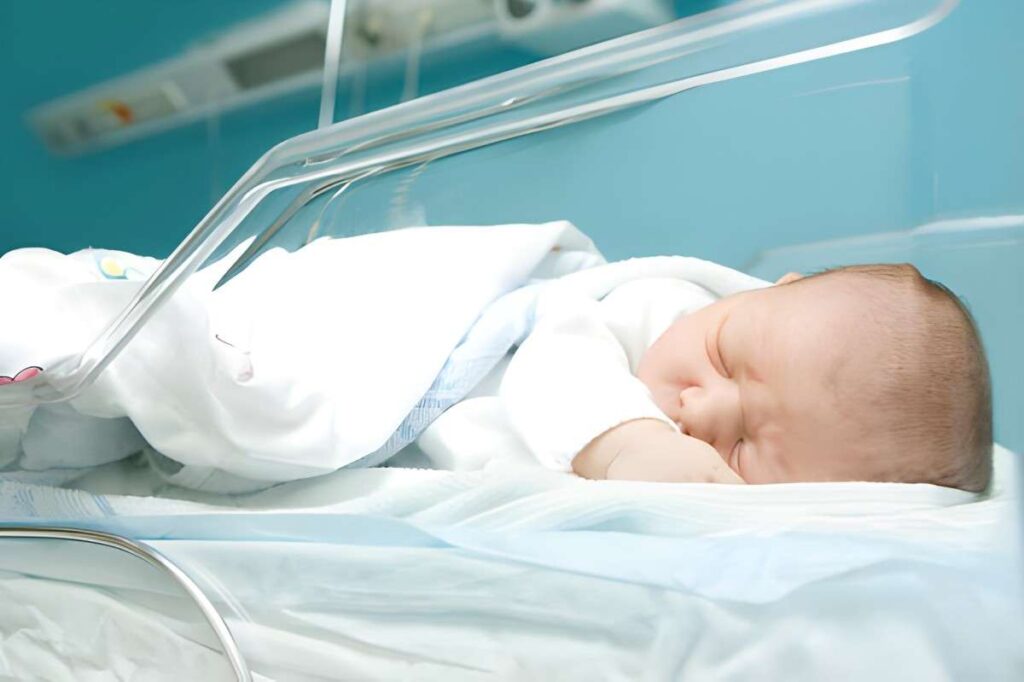
The Biological Symphony: Understanding Your Newborn’s First Breath
A Comprehensive Exploration of the Transition from Womb to World
The Miracle of the First Ten Seconds
The transition from the fluid-filled sanctuary of the womb to the oxygen-rich atmosphere of the delivery room represents the most dramatic physiological shift a human ever experiences. For nine months, the placenta performs the heavy lifting, acting as the lungs, kidneys, and digestive system. Within moments of delivery, the infant must pivot. The heart must reroute its entire flow, the lungs must clear an ocean of fluid, and the brain must command the chest to expand against immense pressure.
Medical professionals expect a healthy newborn to begin breathing spontaneously within ten seconds of delivery. This first breath, often preceded by a vigorous cry, signifies that the central nervous system has successfully acknowledged the new environment. While parents often focus on the cry as a sign of vocalization, clinicians view it as the ultimate diagnostic tool for lung expansion.
Inside the Womb: A Liquid World
To understand the first breath, we must first look at how the fetus survives without air. In utero, the lungs are not for breathing; they are developing structures filled with a specialized liquid. This fluid maintains internal pressure, ensuring the delicate air sacs, known as alveoli, grow correctly.
Comparison of Oxygenation Systems
| Feature | Fetal Life (In Utero) | Neonatal Life (Post-Birth) |
|---|---|---|
| Primary Oxygen Source | Placenta / Maternal Blood | Atmospheric Air |
| Lungs | Filled with fluid; non-functional | Filled with air; gas exchange active |
| Circulation | Shunts blood away from lungs | Full blood flow to lungs |
| Waste Removal | Handled by the mother’s liver/kidneys | Handled by the infant’s own systems |
The Triggers: What Starts the Gasp?
Nature does not leave the first breath to chance. A series of powerful chemical and physical stimuli converge the moment the baby emerges. These triggers wake up the respiratory center in the medulla oblongata of the brain.
As the umbilical cord is clamped or naturally constricts, the infant experiences a brief drop in oxygen (hypoxia) and a rise in carbon dioxide (hypercapnia). This change in blood pH acts like a biological alarm clock for the brain.
The sudden drop in temperature (moving from 98.6°F to a cooler room), the sensation of light, and the physical handling by the medical team provide sensory input that stimulates the urge to inhale.
The Physics of Air Entry
How does a liquid-filled lung suddenly become an air-filled lung? This process involves three distinct mechanical phases. First, the Thoracic Squeeze occurs during vaginal delivery. As the baby moves through the birth canal, the chest is compressed, physically forcing about one-third of the fetal lung fluid out through the nose and mouth.
Second, Passive Recoil takes place immediately after the chest is born. The ribs spring back to their original shape, creating a vacuum that draws the first pocket of air into the upper airways.
Measuring Success: The Apgar Score
In the delivery room, nurses and doctors use a standardized system developed in 1952 by Dr. Virginia Apgar to assess how well the infant is transitioning. They perform this check at the one-minute mark and again at the five-minute mark.
| Criteria | 0 Points | 1 Point | 2 Points |
|---|---|---|---|
| Respiratory Effort | Absent | Slow, irregular, weak cry | Good, strong cry |
| Heart Rate | Absent | Below 100 bpm | Over 100 bpm |
| Muscle Tone | Limp | Some flexion | Active motion |
| Reflexes | No response | Grimace | Cough, sneeze, or cry |
| Color | Blue/Pale | Body pink, extremities blue | Completely pink |
When Seconds Feel Like Hours: Delayed Breathing
While 90% of newborns transition seamlessly, some require a helping hand. If an infant does not breathe within those first crucial seconds, the medical team initiates a tiered response. It is important for parents to remain calm during these moments, as the staff is trained for these specific scenarios.
Potential Causes for Delay
- Prematurity: Lungs may lack sufficient surfactant or structural maturity.
- Cesarean Delivery: The infant misses the "thoracic squeeze," often resulting in more fluid remaining in the lungs (Transient Tachypnea of the Newborn).
- Maternal Medication: Certain pain reliefs or anesthetics can cross the placenta and briefly suppress the baby's respiratory drive.
- Meconium Aspiration: If the baby passes their first stool in the womb and inhales it, the thick substance can block the airways.
Modern Delivery Room Interventions
If the spontaneous breath is weak or absent, the medical team follows the Neonatal Resuscitation Program (NRP) guidelines. These steps are designed to mimic or support the natural triggers the baby might be missing.
Frequency of Intervention
Understanding the statistics can provide peace of mind to expecting parents. While the room may become busy, the majority of interventions are minor and short-lived.
| Level of Support | Percentage of Births | Common Action Taken |
|---|---|---|
| Spontaneous Transition | 90% | Routine drying and warming only |
| Basic Assistance | 9% | Stimulation, suction, or supplemental oxygen |
| Advanced Resuscitation | Less than 1% | Intubation or chest compressions |
Final Thoughts for the New Mother
The first breath is a masterpiece of biological engineering. From the moment the chest expands to the closure of fetal heart shunts, the body executes a complex protocol with precision. As a mother, your role in this transition begins with prenatal care and continues with the skin-to-skin contact that helps regulate your baby's breathing and temperature in those first few hours of life.
By understanding the mechanics of this "gasp," you can appreciate the incredible strength your newborn displays from their very first seconds in the world.