How Many Bones Does a Newborn Infant Have?
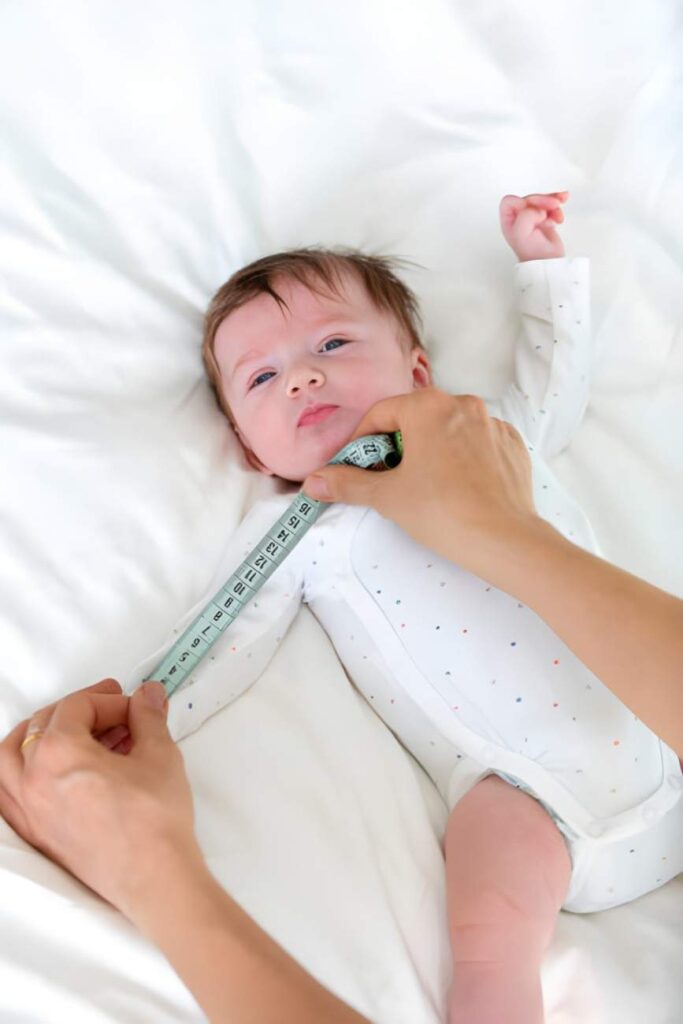
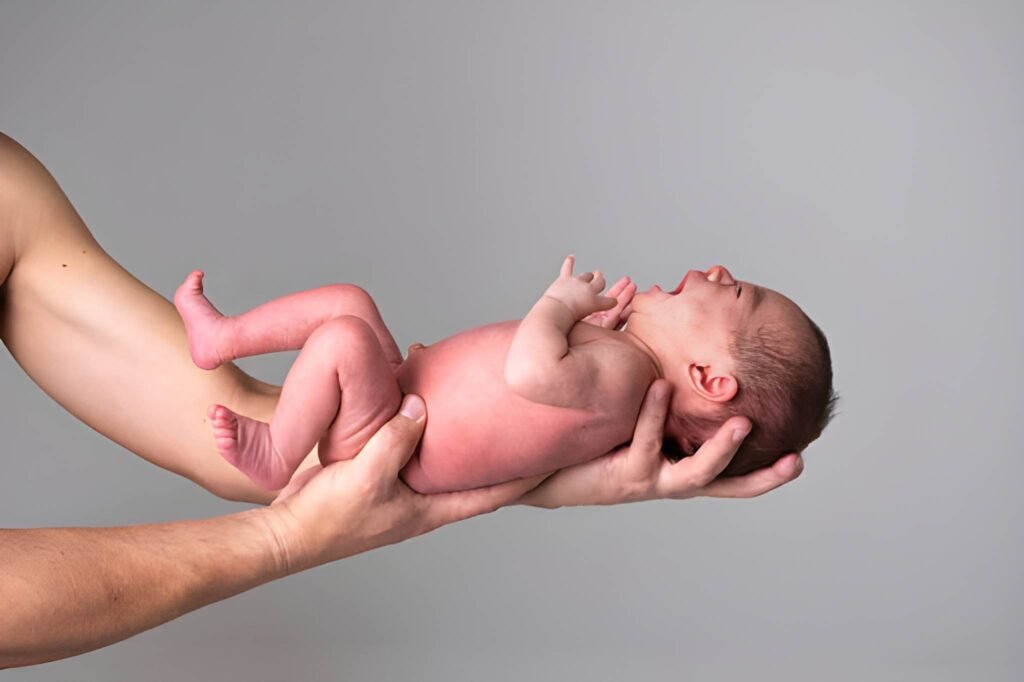
The human body undergoes one of its most dramatic physical transformations during the transition from infancy to adulthood. While most people recognize that babies are smaller and softer than adults, many are surprised to learn that their internal framework is fundamentally different. A common question among new parents and curious students alike is exactly how many bones an infant has at birth. As a specialist in child development, I often explain that the answer is not a single static number, but rather a fascinating range that reflects the dynamic nature of early growth.
The Exact Bone Count
When a baby enters the world, their skeletal system is remarkably complex. A newborn infant has approximately 270 to 300 bones. This number is significantly higher than the 206 bones typically found in a fully grown adult. This "extra" set of bones does not disappear; rather, many of these individual segments will eventually fuse together to form larger, stronger structures as the child matures.
The variance in the count (270 vs 300) stems from the fact that skeletal development occurs at slightly different rates for every child. Additionally, some "bones" at this stage are actually distinct segments of cartilage that have not yet begun the hardening process.
Why Do Infants Have More Bones?
Nature has a very specific reason for providing infants with a higher bone count. This anatomical design serves two primary evolutionary purposes:
Ossification: From Cartilage to Bone
The process by which cartilage transforms into hard bone is known as ossification. At birth, much of the newborn's skeleton consists of hyaline cartilage. This material is firm enough to provide structure but flexible enough to grow. Over time, calcium and phosphate are deposited into this cartilage, hardening it into true bone.
This transformation begins in the womb and continues well into the early twenties. The primary centers of ossification are the midsections of long bones, while the ends (epiphyses) remain cartilaginous for years, allowing for height increases.
The Incredible Infant Skull
The most famous example of infant bone separation is found in the skull. An adult skull is a solid dome, but a newborn's skull consists of several separate plates.
Key Areas of Bone Fusion
As the child grows, the count drops from 300 toward 206. This happens through the fusion of specific groups of bones.
| Body Region | Newborn Status | Adult Status | Average Fusion Age |
|---|---|---|---|
| Skull | Multiple plates & soft spots | Single solid unit | 18 to 24 Months |
| Sacrum (Spine Base) | 5 separate vertebrae | 1 fused bone | 18 to 25 Years |
| Coccyx (Tailbone) | 4 small segments | 1 fused bone | Late Teens |
| Pelvis | 3 separate bones (Ilium, Ischium, Pubis) | 1 combined hip bone | 15 to 17 Years |
Newborn vs. Adult Comparison
To put the numbers into perspective, let us look at the distribution of bones across the body. While the adult has fewer bones overall, they have more "mature" bone density.
300 (Newborn) - 206 (Adult) = 94 segments that fuse.
This means that over the course of two decades, nearly 1 in 3 of a child's initial bone segments will merge with a neighbor.
Supporting Skeletal Health
Because an infant's skeleton is so "active"—constantly ossifying and fusing—nutrition is paramount. As a specialist, I focus on three pillars of bone health for infants:
1. Vitamin D Requirements
Vitamin D acts as the "key" that unlocks the body's ability to absorb calcium. Breast milk is the gold standard for nutrition, but it often lacks sufficient Vitamin D. The American Academy of Pediatrics recommends that all breastfed infants receive a supplement of 400 IU of Vitamin D daily starting in the first few days of life.
2. Calcium Intake
Calcium is the building block of the ossification process. For the first 6 months, babies get all the calcium they need from breast milk or iron-fortified formula. Once solids are introduced, calcium-rich foods like yogurt, fortified cereals, and green leafy vegetables should be part of the rotation.
3. Safe Movement and Handling
Because an infant's bones are more like cartilage, they are technically harder to break but easier to deform. This is why proper positioning is vital. For example, "hip-healthy" swaddling allows the legs to be bent and flared out, preventing hip dysplasia—a condition where the soft hip socket is molded into the wrong shape.
Understanding that a newborn infant has nearly 300 bones provides a deeper appreciation for the complexity of human biology. This temporary surplus of bones is a brilliant design that ensures a safe arrival and the flexibility required for the explosive growth of early childhood. As the segments fuse and the cartilage hardens, the child transforms from a soft, pliable infant into a sturdy, resilient adult.