The Rhythm of Transition: Understanding Periodic Breathing in the Newborn Nursery
A comprehensive guide for parents and clinical specialists on neonatal respiratory cycles in
Defining Periodic Breathing
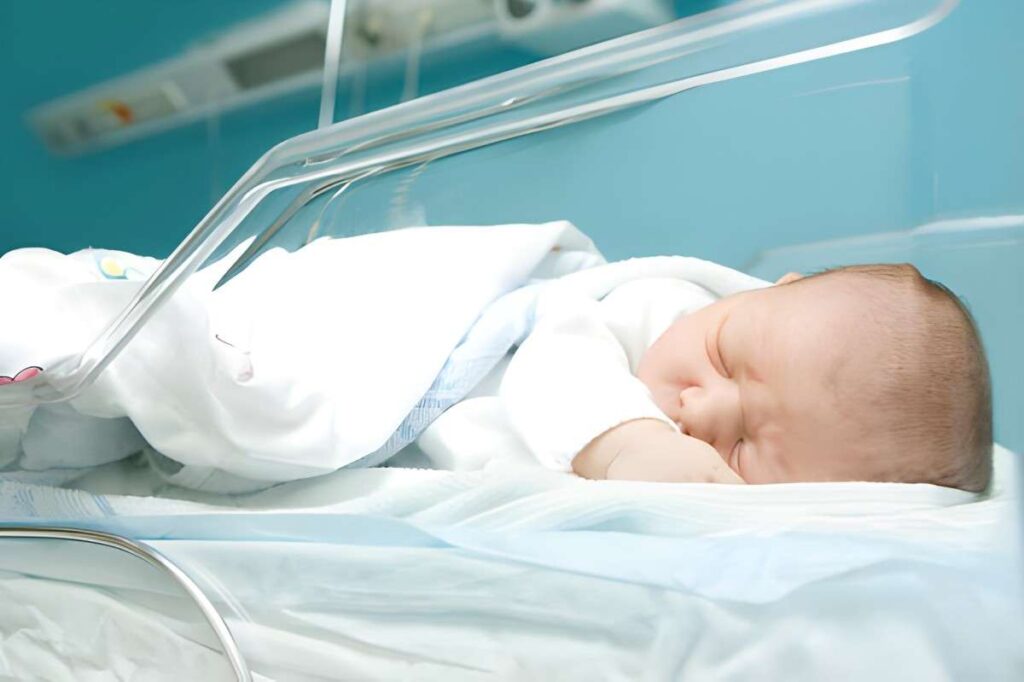
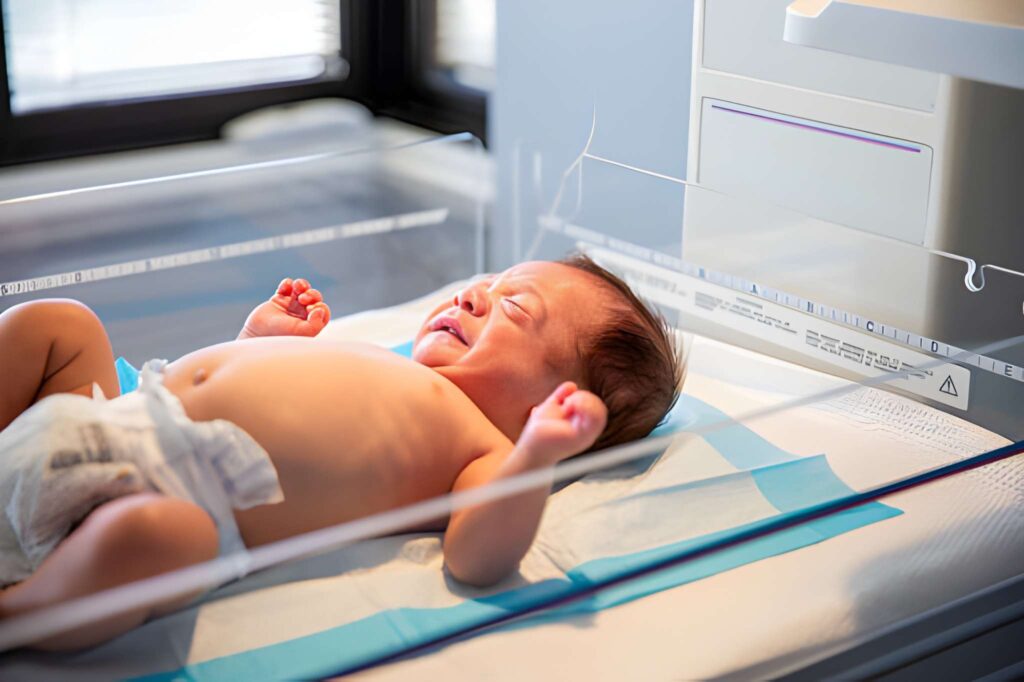
Periodic breathing describes a common respiratory pattern in newborns, particularly those born slightly early or those in a deep sleep state. During these episodes, the infant cycles through three distinct phases: a period of rapid breathing, a brief pause, and a return to regular respiration. This cycle repeats several times in succession without any change in the color of the baby's skin or heart rate.
Specialists categorize this as a manifestation of an immature nervous system. The brainstem, which controls the drive to breathe, remains in a state of development during the first few weeks of life. It essentially learns how to balance carbon dioxide and oxygen levels in the blood. Occasionally, the system over-corrects, leading to the erratic rhythm we observe in the nursery.
The Biology of the First Breath
Inside the womb, the placenta handles gas exchange. The lungs remain filled with fluid, and the fetus practices breathing movements without actually moving air. At birth, the transition to air breathing requires a massive neurological and physiological shift. The infant must now rely on their own chemoreceptors to sense when oxygen drops or carbon dioxide rises.
The respiratory control center in the medulla oblongata acts like a thermostat. In a newborn, this thermostat has a wide dead-band. It does not trigger a breath immediately when carbon dioxide levels rise slightly. Instead, it waits until the level reaches a higher threshold, then triggers a burst of rapid breaths to clear the excess gas. This sudden drop in carbon dioxide then causes the brain to pause breathing briefly, as it perceives no immediate need for oxygen intake. This feedback loop creates the periodic episodes observed by nursing staff.
Periodic Breathing vs. Apnea
One must distinguish between benign periodic episodes and pathological apnea. While they share the characteristic of a breathing pause, their clinical implications differ significantly. Healthcare providers use duration and physiological response as the primary metrics for differentiation.
| Feature | Periodic Breathing | Apnea of Prematurity |
|---|---|---|
| Pause Duration | Usually 5 to 10 seconds | Greater than 20 seconds |
| Heart Rate | Remains stable (Normal) | Often drops (Bradycardia) |
| Skin Color | Remains pink/normal | May turn blue or pale (Cyanosis) |
| Muscle Tone | Maintained | May become limp |
| Resolution | Resumes spontaneously | May require stimulation |
Clinical Observation Protocols
When a specialist observes a newborn with periodic episodes, they follow a systematic assessment. First, they count the respiratory rate over a full minute. Counting for only 15 seconds and multiplying by four often yields inaccurate results due to the fluctuations in the rhythm. A normal newborn respiratory rate ranges between 40 and 60 breaths per minute.
The Calculation of Stability
Specialists use a simple observation calculation to determine if the episodes impact the baby's health. If a baby pauses for 8 seconds and then breathes at a rate of 70 breaths per minute for the next 20 seconds, the average rate remains within a safe zone. We calculate the average rate by observing the total number of breaths over 60 seconds, regardless of the pauses. If the total count exceeds 60 consistently, we investigate for respiratory distress. If the count falls below 30, we investigate for central nervous system depression.
When to Signal the Medical Team
While periodic breathing falls under the umbrella of normal development, certain markers indicate a need for immediate medical intervention. Specialists train parents and nursery staff to look for the three Ps: Pallor, Persistent Pauses, and Poor Feeding.
If a pause in breathing lasts longer than 20 seconds, it qualifies as apnea. This requires immediate evaluation to rule out infection, metabolic imbalances, or neurological issues. Always time the pause with a watch or clock rather than guessing.
A healthy infant remains pink during periodic breathing. If the lips, tongue, or trunk turn blue (cyanosis) or gray (pallor), the baby is not receiving sufficient oxygen. This indicates a failure of the compensatory rapid breathing phase.
Watch for nasal flaring, grunting on expiration, or retractions (the skin pulling in around the ribs or neck). These signs suggest the lungs are stiff or the airways are obstructed, moving the diagnosis away from simple periodic breathing toward respiratory distress syndrome.
Environmental Support and Care
Managing a baby with periodic episodes involves optimizing the environment to support the developing nervous system. Thermal regulation plays a vital role. An infant who is too cold or too hot will experience more frequent breathing irregularities. Specialists maintain the nursery at a neutral thermal temperature to minimize the metabolic demand on the infant.
Positioning also influences respiratory stability. Placing an infant on their back (the supine position) remains the gold standard for safe sleep. This position keeps the airway open and reduces the risk of Sudden Infant Death Syndrome (SIDS). While some believe that side-sleeping helps with mucus clearance, research shows that back-sleeping provides the most consistent oxygenation for newborns experiencing periodic episodes.
Frequently Asked Questions
The following section addresses common concerns shared by mothers and caregivers during their stay in the neonatal unit.
Does periodic breathing mean my baby has asthma?No. Periodic breathing relates to the brain's control of the breathing rhythm, not the health of the lungs or airways. It does not correlate with the later development of asthma or allergies.
Should I wake my baby up when I notice a pause?Generally, no. If the baby remains pink and the pause lasts less than 10 seconds, you should allow the baby to continue sleeping. Frequent unnecessary stimulation can disrupt the baby's sleep cycles and growth.
How long will this last?Most full-term infants stop having these episodes within the first two weeks of life. Preterm infants may continue the pattern until they reach a corrected age of 1 month. The episodes gradually become less frequent until they disappear entirely.
Concluding Perspective
Observing a newborn's first days involves a steep learning curve for both the baby and the caregiver. Periodic episodes serve as a reminder of the incredible complexity of human transition. By maintaining a calm, observant presence and understanding the physiological roots of these rhythms, we ensure the safest and most supportive start for the newest members of our families. If the infant continues to feed well, grows at a steady rate, and maintains a healthy color, these periodic rhythms simply mark a brief chapter in their developmental story.