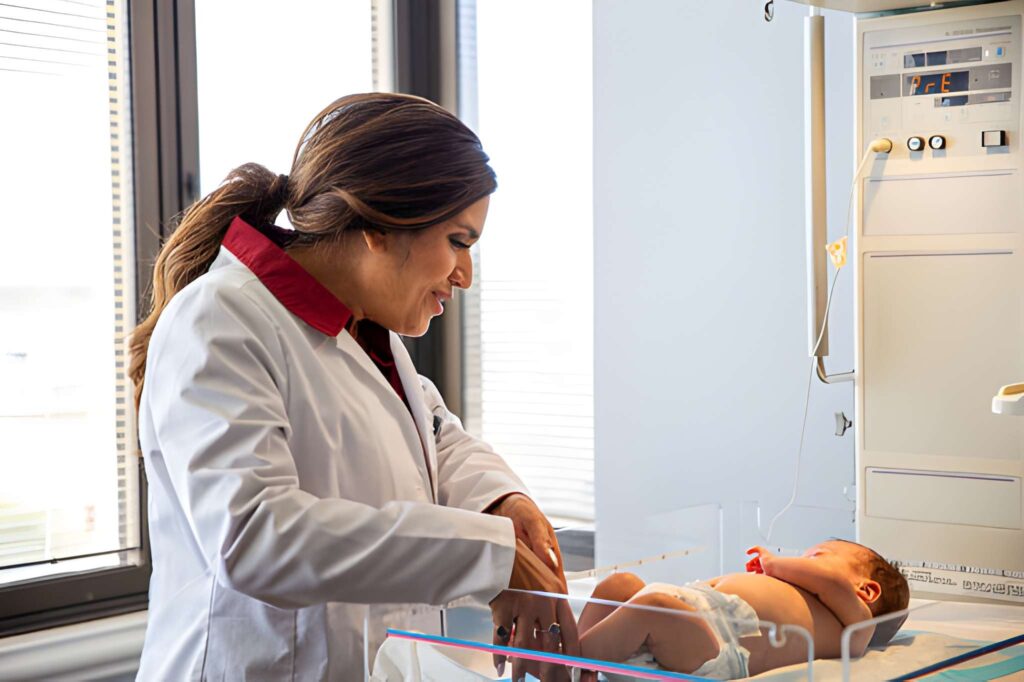
The Science of Warmth: Clinical Management of the Newborn Radiant Warmer
The Physiology of Neonatal Thermoregulation
Newborn infants possess a unique biological vulnerability regarding their body temperature. Unlike adults, who can shiver to generate heat, newborns rely on non-shivering thermogenesis. This process involves the metabolic breakdown of brown adipose tissue, also known as brown fat. However, this process consumes vast amounts of oxygen and glucose, leading to potential respiratory distress or hypoglycemia if the infant remains cold for too long.
We must understand the four primary pathways through which an infant loses heat. Recognizing these mechanisms allows the neonatal team to create a protective thermal environment. The radiant warmer specifically addresses one of these pathways, but the specialist must account for all four to ensure the infant's stability.
Mechanics of Radiant Heat Delivery
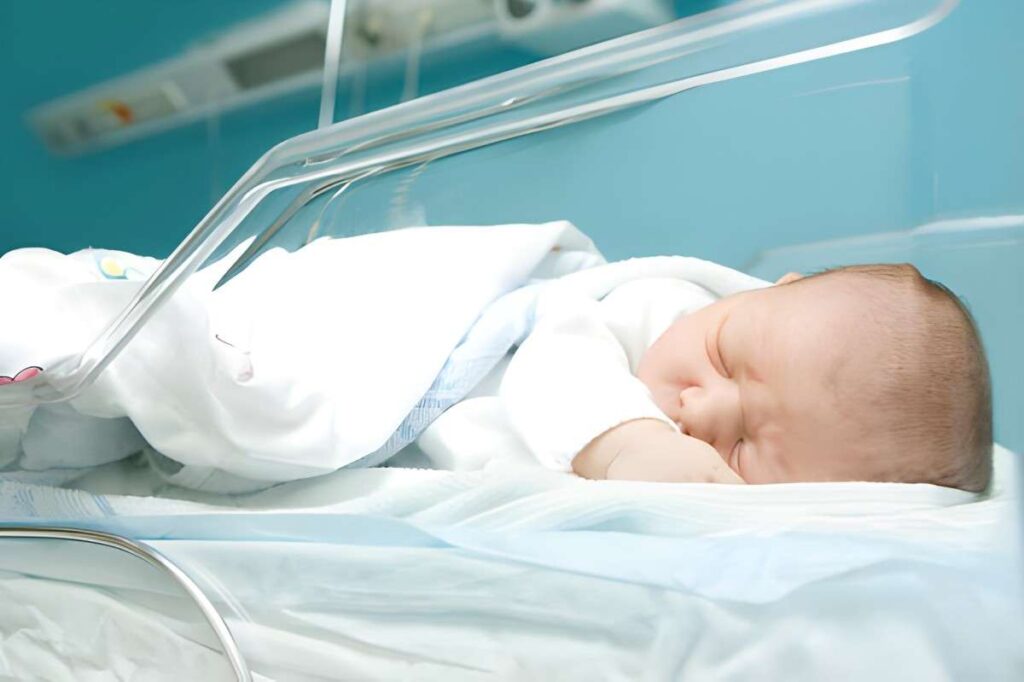
The radiant heat warmer is an open-access bed designed to provide a high-intensity infrared heat source from above. This design allows the medical team full access to the infant for procedures, resuscitation, or intensive monitoring while maintaining a neutral thermal environment. This environment ensures the infant spends the least amount of energy to maintain their core temperature.
The infrared heating element emits energy that the infant's skin absorbs and converts into heat. Because the bed is open, it does not provide the humidification or the physical barrier against convection that an incubator offers. Therefore, the radiant warmer is typically a short-to-medium term solution used during the stabilization phase or for infants requiring frequent hands-on care.
Clinical Indications: Who Needs the Warmer?
While most healthy, full-term newborns maintain their temperature through skin-to-skin contact with the mother, certain clinical scenarios necessitate the precision of a radiant warmer. The primary goal is to prevent the cold stress cascade.
| Patient Profile | Why the Warmer? | Clinical Goal |
|---|---|---|
| Delivery Room Stabilization | Immediate heat loss prevention | Maintain core temp > 36.5°C |
| Premature Infants (< 35 weeks) | Insufficient brown fat stores | Conserve metabolic energy |
| Surgical/Procedural Access | Need for sterile access | Maintain temp during surgery |
| Critically Ill Neonates | Frequent interventions needed | Prevent thermal instability |
Advanced Logic: Servo-Mode vs. Manual Mode
Modern radiant warmers operate using two distinct logic patterns. Understanding the difference between these modes is the most critical safety skill for any neonatal provider. Errors in mode selection can lead to either accidental hyperthermia (overheating) or hypothermia.
Manual mode carries a significant risk. Because there is no feedback loop, the heater will continue to blast the infant with infrared energy even if their body temperature reaches dangerous levels. Most modern warmers include an alarm that sounds every 10 to 15 minutes in manual mode to remind the staff to check the infant's temperature.
Safety Protocols and Probe Placement
The integrity of the thermoregulation system relies entirely on the accuracy of the skin probe. If the probe becomes detached or is placed incorrectly, the "brain" of the warmer receives false data, leading to a thermal crisis.
The probe must be placed on a fleshy area of the abdomen, usually over the liver or in the mid-epigastrium. It should never be placed over a bone (like the ribs) or under the infant where they might lay on it. Placing it under the infant will cause the probe to sense a falsely high temperature due to trapped heat, causing the warmer to shut off and leaving the rest of the baby's body to grow cold.
Alarm Management
Radiant warmers are equipped with sophisticated sensors. The specialist must respond to these alarms immediately. Common triggers include:
- Probe Disconnect: The sensor is no longer reading a physiological temperature.
- High/Low Temp: The infant's temperature has drifted 0.5°C away from the set point.
- Heater Failure: The infrared element is no longer generating energy.
Thermal Math for Neonatal Care
Specialists use specific calculations to understand the impact of the radiant warmer on the infant's overall health. The most important calculation involves Insensible Water Loss (IWL), which increases significantly under radiant heat compared to an incubator.
Newborns under radiant warmers lose approximately 1 to 2 mL of fluid per kg of body weight every hour through their skin. This is roughly 25% higher than infants in a humidified incubator.
Logic Calculation: If a 2kg baby is under a radiant warmer for 24 hours...
Expected Loss: 2kg x 1.5mL x 24 hours = 72mL of "unseen" fluid loss.
Clinicians must factor this 72mL into the daily intravenous fluid or feeding plan to prevent dehydration and electrolyte imbalances.
Parental Interaction and the "Transparent" Barrier
The most significant advantage of the radiant warmer from a developmental perspective is the lack of physical barriers between the parent and the child. Unlike an incubator, which requires reaching through portholes, the radiant warmer allows parents to touch, talk to, and gaze at their baby without obstruction.
In , family-centered care is the gold standard. We encourage parents to participate in "comfort touch"—placing a warm hand on the baby's head or feet. While the warmer provides the infrared energy, the parent provides the emotional regulation. Once the infant is stable enough, we transition them to skin-to-skin "Kangaroo Care," which is the most natural and effective radiant warmer in existence.
Transitioning to a Crib
The goal is always to move the baby out of the warmer and into a standard open crib. We begin this process once the infant is stable, feeding well, and has reached a weight of approximately 1800 to 2000 grams. We gradually lower the warmer's power or "dress" the infant in the warmer to see if they can maintain their own 36.5°C baseline without external help.