Healing the Connection: A Specialist Guide to Esophageal Atresia Surgery and Recovery
Empowering Families Through the Surgical Journey and Beyond
Understanding the Diagnosis: EA and TEF Explained
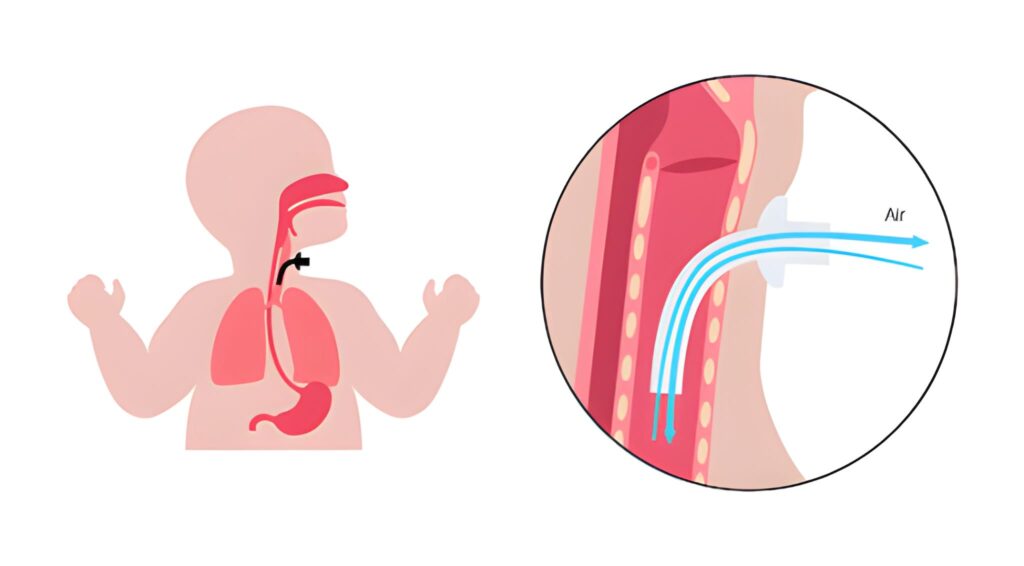
Esophageal Atresia (EA) occurs when the upper part of the esophagus does not connect with the lower esophagus and stomach. Most babies born with this condition also have a Tracheoesophageal Fistula (TEF), an abnormal connection between the esophagus and the trachea (windpipe). This means air can enter the stomach, and stomach acid or saliva can enter the lungs, making surgical intervention a time-sensitive necessity shortly after birth.
As a specialist, I often see EA/TEF associated with a cluster of other findings known as VACTERL association. VACTERL stands for Vertebral, Anal, Cardiac, Tracheo-Esophageal, Renal, and Limb anomalies. Before your son goes into surgery, the neonatal team will likely perform ultrasounds of his heart and kidneys to ensure they have a complete picture of his unique anatomy. Understanding that EA is a structural challenge rather than a disease helps many parents focus on the mechanical "fix" that surgeons provide.
The Operating Room: Connecting the Esophagus
Surgeons typically perform the repair within the first 24 to 48 hours of life. The procedure depends on the distance or "gap" between the two ends of the esophagus. In most cases, the surgeon performs a primary anastomosis, which means they sew the two ends together. They also close the fistula connecting the esophagus to the trachea.
In the United States, two main surgical approaches exist. Some hospitals prefer a traditional thoracotomy (a small incision on the side of the chest), while others use a minimally invasive thoracoscopic approach (using tiny cameras and instruments). The choice often depends on the baby's stability and the surgeon's specific expertise.
| Surgical Method | Description | Typical Recovery Impact |
|---|---|---|
| Open Thoracotomy | Traditional incision through the ribs. | Proven long-term results; allows for direct manual repair of wide gaps. |
| Thoracoscopy | Minimally invasive using 3 tiny ports. | Smaller scars; potentially less post-operative pain and shorter ventilator time. |
| Staged Repair | Multiple surgeries over weeks/months. | Required for "Long Gap" EA where ends are too far apart to reach initially. |
The NICU Transition: Monitoring the First 48 Hours
Following the surgical repair, your newborn will return to the Neonatal Intensive Care Unit (NICU). This phase focuses on three pillars: ventilation, pain management, and healing. Most infants remain on a ventilator for several days to allow the newly sewn esophagus (the anastomosis) to heal without the stress of swallowing or heavy breathing.
You may notice several tubes and monitors. A chest tube might stay in place to drain any fluid around the lungs and to monitor for potential leaks from the repair site. Surgeons often place a trans-anastomotic tube (a small feeding tube) that passes right through the surgical site and into the stomach. This allows for early nutrition while the esophagus rests and heals.
Clinical Milestone: The Esophagram
Approximately 5 to 7 days after surgery, the medical team often performs a "swallow study" or esophagram. They use a special dye to check for leaks. If no leak appears, the team starts the process of oral feeding.
The Journey to Oral Feeding: TPN to Bottle/Breast
Nutrition is a complex puzzle for babies with EA. Initially, your son will receive TPN (Total Parenteral Nutrition)—a liquid mix of fats, proteins, and sugars delivered through an IV. As soon as the surgeon feels the site is stable, feeds will transition to the stomach via the trans-anastomotic tube.
The transition to oral feeding (breast or bottle) is a major milestone, but it requires patience. Many babies with EA have a degree of dysmotility, meaning the muscles of the esophagus do not move food down as efficiently as they should. You will work closely with speech-language pathologists or occupational therapists who specialize in infant feeding.
Average Feeding Progression Post-Surgery:
- Days 1-3: TPN only (resting the gut).
- Days 3-7: Continuous or bolus tube feeds into the stomach.
- Day 7+: Introduction of small amounts of breast milk or formula by mouth (after successful leak test).
- Weeks 2-4: Increasing oral volumes as coordination improves.
Managing Long-Term Milestones and Complications
While the surgery fixes the structural connection, babies with EA/TEF often require ongoing monitoring. As a specialist, I prepare parents for three common challenges: strictures, reflux, and the "EA cough."
A stricture is a narrowing at the site where the esophagus was sewn together. If your baby suddenly starts spitting up more or seems to struggle with swallows that were previously fine, it may indicate a stricture. Surgeons treat this with an "esophageal dilation," a quick procedure where they gently stretch the area while the baby is sedated.
Nearly all babies with EA experience reflux. Because the lower esophageal sphincter (the valve into the stomach) may not work perfectly, stomach acid often flows back up. In the US, pediatricians usually start these infants on acid-blocking medications (like PPIs) immediately to protect the surgical site from irritation.
Tracheomalacia occurs when the cartilage of the windpipe is soft, causing it to partially collapse during breathing or coughing. This creates a distinct, hollow-sounding "barky" cough. While it often sounds scary, most children outgrow this as their cartilage hardens over the first few years of life.
Transitioning Home: Equipment, Reflux, and Safety
Leaving the NICU is an emotional milestone. Before discharge, the hospital ensures you are comfortable with your son's daily care. You may go home with a feeding tube (G-tube or NG-tube) if he is not yet taking full volumes by mouth. In the US, a home health agency typically provides the pumps and supplies needed.
Safety is paramount. Babies with EA are at a higher risk for aspiration (food or liquid entering the lungs). You will learn "pacing" techniques for feeding, ensuring the baby doesn't take in too much volume at once. It is also essential to maintain an upright position for at least 30 minutes after every feeding to combat reflux.
Emergency Warning Signs:
- Turning blue or dusky during feeds (cyanosis).
- Sudden, forceful vomiting or inability to swallow saliva.
- Fever or signs of respiratory distress (flaring nostrils, ribs showing).
- Excessive coughing that doesn't stop with repositioning.
Developmental Support and US Healthcare Resources
In the United States, children born with EA/TEF qualify for Early Intervention (EI) services. These state-funded programs provide physical therapy, occupational therapy, and feeding therapy in your home or at a local center. I strongly recommend enrolling as soon as you are discharged; these specialists help ensure your son reaches his developmental milestones despite his early medical challenges.
The socioeconomic impact of a long NICU stay can be significant. Don't hesitate to work with the hospital social worker to navigate insurance (including secondary Medicaid for children with complex needs) and to find local support groups. Organizations like EAT (Esophageal Atresia Trust) and NOAH offer communities where parents share practical advice on everything from specialized nipples to transitioning to solid foods.
As your son grows, the medical team will transition from focusing on "survival" to "thriving." With the surgical repair performed in , he benefits from modern techniques that minimize long-term scarring and maximize digestive health. Most children with EA lead full, active lives, participate in sports, and eventually eat a normal diet, though they may always need a little extra water to help wash down "sticky" foods like bread or meat.
Specialist Post-Op Checklist
- ✔️ Maintain a "Reflux Diary" to track spit-ups and comfort levels.
- ✔️ Schedule a 2-week follow-up with the Pediatric Surgeon.
- ✔️ Connect with a Pediatric GI (Gastroenterologist) for long-term acid management.
- ✔️ Ensure all caregivers are trained in infant CPR and choking relief.
- ✔️ Keep a list of "safe" foods once the toddler years begin.