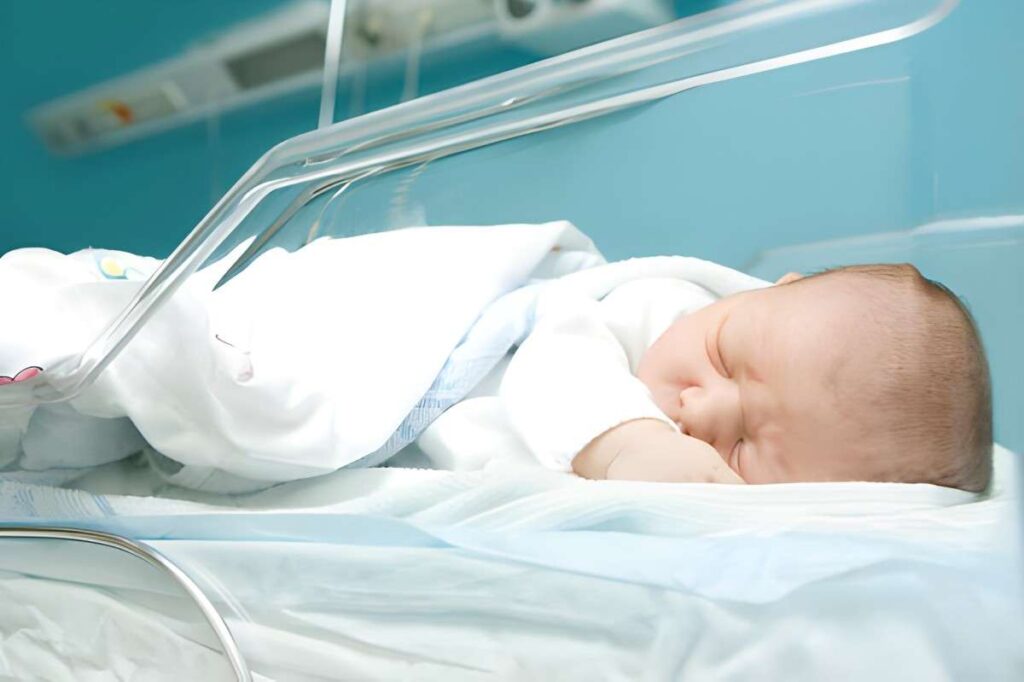
The Science of Slumber: Understanding Newborn Sleep Cycles and Durations
A newborn typically spends the vast majority of their first few weeks in a state of rest. For new parents, however, the sheer volume of sleep can be as baffling as the frequent awakenings. While a child specialist often hears the question "How much should my baby sleep?", the answer involves more than just a single number. It requires an understanding of the biological architecture of a developing brain and the caloric needs of a tiny, rapidly growing body.
Total Sleep Requirements: The 24-Hour Breakdown
In a typical 24-hour period, a healthy, full-term newborn will sleep between 14 and 17 hours. Some infants may lean toward the higher end, reaching 19 hours, while others remain active after 13 hours. This sleep is not consolidated into long blocks; rather, it is fragmented into several sessions ranging from 30 minutes to 4 hours.
Consider the math of a typical day for a 2-week-old infant:
- Total Sleep: 16 Hours
- Total Feedings: 8 to 12 sessions (roughly 3-4 hours total)
- Maintenance (Diapers/Bathing): 2 Hours
- Quiet Alert Time: 2 Hours
This leaves very little time for "play" in the traditional sense, as the brain uses sleep to process the massive amounts of sensory information gathered during those brief quiet periods.
Clinically, we observe that these hours are distributed roughly equally between day and night in the first few weeks. Because a newborn's stomach is approximately the size of a large marble at birth, they cannot ingest enough milk to sustain long periods of sleep. Their biological drive for survival—hunger—supersedes their need for sleep consolidation.
The Architecture of Infant Slumber
Adult sleep is dominated by deep, restorative Non-REM sleep. In contrast, newborns spend nearly 50% of their sleep time in REM (Rapid Eye Movement) sleep. This is often called "active sleep," and it is during this phase that you might see your baby grimace, twitch, or make small noises.
Characterized by fluttering eyelids, irregular breathing, and occasional limb movement. This stage is vital for neural pathway development and memory processing.
Characterized by deep, rhythmic breathing and very little movement. This is when growth hormones are secreted and physical repair occurs.
A single sleep cycle for a newborn lasts only about 50 minutes, compared to the 90-minute cycle seen in adults. This shorter cycle means they reach the "vulnerable" transition period between cycles twice as often, increasing the likelihood of waking up due to environmental changes or internal discomforts like gas.
The Missing Body Clock: Day-Night Confusion
One of the most challenging aspects for parents is "day-night reversal." Newborns are not born with a functional circadian rhythm. In the womb, they were influenced by the mother's melatonin and activity levels, but as independent beings, they must develop their own internal clock.
| Timeframe | Biological State | Management Strategy |
|---|---|---|
| 0-4 Weeks | No Circadian Rhythm | Expose to natural light during daytime. |
| 6-8 Weeks | Social Smiles / Melatonin Rise | Start consistent bedtime cues (dim lights). |
| 3-4 Months | Consolidated Sleep Cycles | Predictable nap schedules begin to form. |
To help correct this confusion, specialists recommend a "high-contrast" environment. During daytime sleep, allow natural light into the room and do not suppress normal household noises. During nighttime feedings and changes, keep the room as dark as possible and use a whisper. This provides the external cues necessary for the brain to begin syncing with the 24-hour day.
The Hunger-Sleep Connection
The phrase "sleep like a baby" is a misnomer. A baby’s sleep is fundamentally tied to their metabolic rate. In the first month, most newborns will need to feed every 2 to 3 hours. If a newborn is sleeping too long (beyond 4 hours) in the first two weeks, pediatricians often recommend waking them to ensure adequate weight gain.
As the stomach capacity increases, the gaps between feedings naturally widen. By the time a baby reaches 10 to 12 pounds, their body can theoretically sustain a 5-to-6-hour stretch of sleep, though developmental milestones—like rolling or babbling—can temporarily disrupt this progress.
Creating a Safe Sleep Sanctuary
Safety is the cornerstone of newborn sleep. The American Academy of Pediatrics (AAP) provides clear guidelines to reduce the risk of Sudden Infant Death Syndrome (SIDS). The ABCs of Safe Sleep are essential for every nap and every night.
The baby should sleep in their own space, such as a crib or bassinet. While room-sharing is highly recommended for the first six months, bed-sharing significantly increases risks due to soft bedding and the potential for accidental overlay.
Always place your baby on their back to sleep. This keeps the airway open and clear. Once a baby can independently roll from back to front and front to back, they may choose their own position, but the initial placement should always be on the back.
The sleep surface must be firm and flat. Use only a tight-fitting sheet. Remove all pillows, blankets, bumper pads, and stuffed toys. These items are suffocation hazards and do not provide comfort to a newborn.
Parental Survival: Managing the Exhaustion
When a baby sleeps 16 hours but never for more than 2 hours at a time, the parents suffer from chronic sleep fragmentation. This type of exhaustion is clinically similar to the impairment caused by alcohol consumption. It affects decision-making, emotional regulation, and physical coordination.
Effective Coping Mechanisms
- Shift Sleeping: If a partner or helper is available, divide the night into two 4-hour blocks. One person handles all needs during their shift while the other sleeps in a separate room with earplugs.
- Lowering Expectations: During the first 6 weeks, prioritize sleep and basic nutrition over household cleanliness or social obligations.
- Napping Strategy: The advice "sleep when the baby sleeps" is often frustrating, but even a 20-minute "power nap" can significantly lower cortisol levels in exhausted parents.
It is also important to monitor for signs of Postpartum Depression (PPD) or Postpartum Anxiety (PPA). Sleep deprivation is a major trigger for these conditions. If you find yourself unable to sleep even when the baby is sleeping, or if you feel a sense of dread regarding the upcoming night, speak with your healthcare provider immediately.
This guide was updated for the current season. Every infant is unique; always consult your pediatrician if you have concerns about your child's specific sleep or feeding habits.