Newborn Hemoglobin and Hematocrit
A Professional Overview of Neonatal Blood Composition and Development
Article Overview
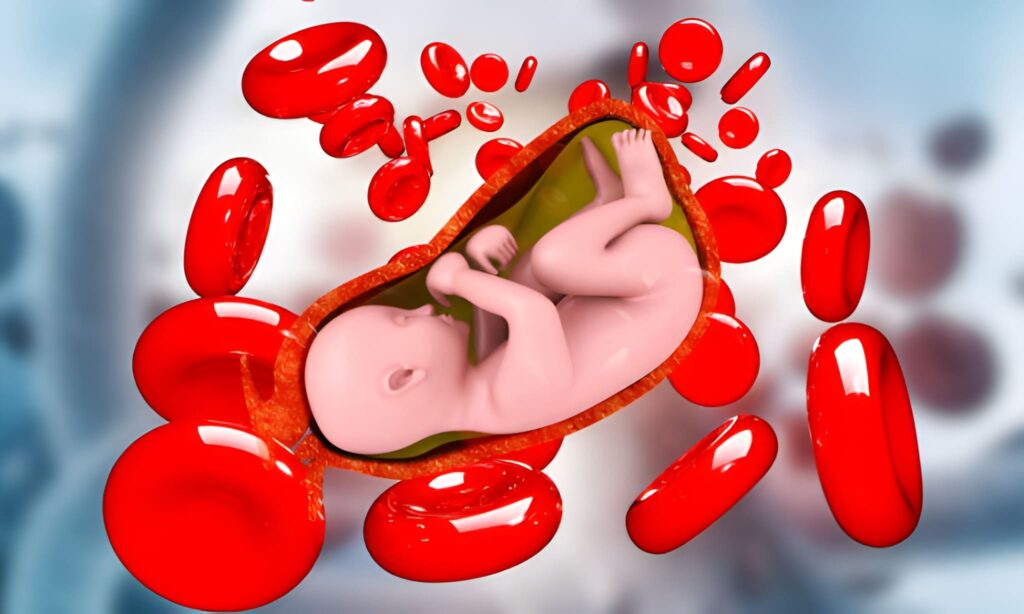
Every drop of blood tells a story of adaptation. When a baby is in the womb, the environment is relatively low in oxygen compared to the air we breathe. To thrive, the fetus produces a massive amount of red blood cells to capture every possible molecule of oxygen from the mother's placenta. This is why, upon delivery, a newborn’s blood count appears "high" by adult standards.
Two primary measurements allow specialists to monitor this adaptation: hemoglobin and hematocrit. Hemoglobin is the protein molecule in red blood cells that carries oxygen from the lungs to the body's tissues and returns carbon dioxide from the tissues back to the lungs. Hematocrit is the percentage of the total blood volume that consists of red blood cells.
Normal Reference Ranges at Birth
Standard ranges for a healthy, full-term newborn are broader than those for older children. These numbers can fluctuate significantly in the first few days as the baby’s body begins to process and recycle its red blood cell supply.
| Measurement | Standard Range (Full-Term) | Average Adult Range |
|---|---|---|
| Hemoglobin (Hgb) | 14 to 24 g/dL | 12 to 16 g/dL |
| Hematocrit (Hct) | 44% to 64% | 36% to 48% |
If a baby’s hematocrit is above 65%, we call this polycythemia. If the hemoglobin is below 13.5 g/dL at birth, we may evaluate for neonatal anemia. It is important to note that these ranges are specific to the first 24 to 48 hours of life. As we move into , clinical practice continues to emphasize that "normal" is a spectrum influenced by many factors.
The Role of Fetal Hemoglobin (HbF)
The type of hemoglobin a baby has at birth is not the same as what they will have at their first birthday. Until about 30 weeks of gestation, the fetus primarily produces Fetal Hemoglobin (HbF). This specific protein has a much higher "affinity" for oxygen than adult hemoglobin (HbA). It literally grabs oxygen more tightly, which is necessary when the baby is getting oxygen through the umbilical cord.
Fetal Hemoglobin (HbF)
Dominates at birth (about 60% to 90% of total Hgb). It ensures the fetus gets enough oxygen even in the low-pressure uterine environment. It begins to decline immediately after birth.
Adult Hemoglobin (HbA)
The body begins the switch to HbA late in pregnancy. By 6 to 12 months of age, HbA becomes the dominant form as the child transitions to breathing air and eating iron-rich foods.
The Physiological Nadir: The Natural Drop
One of the most confusing concepts for parents is the "drop" that happens a few weeks after birth. This is known as the Physiological Nadir of Infancy. Once a baby begins breathing air, their oxygen levels are much higher than they were in the womb. The kidneys sense this high oxygen and tell the body to stop making as many new red blood cells for a while.
Factors Influencing Blood Levels
Several variables can change a newborn’s initial lab results. Understanding these factors helps specialists determine if a high or low number is a cause for concern or a result of the birth process itself.
Waiting 60 to 120 seconds to clamp the umbilical cord allows more blood to transfer from the placenta to the baby. This typically increases the hemoglobin and hematocrit levels. Research shows this provides the baby with a "bank" of iron that helps prevent anemia later in the first year.
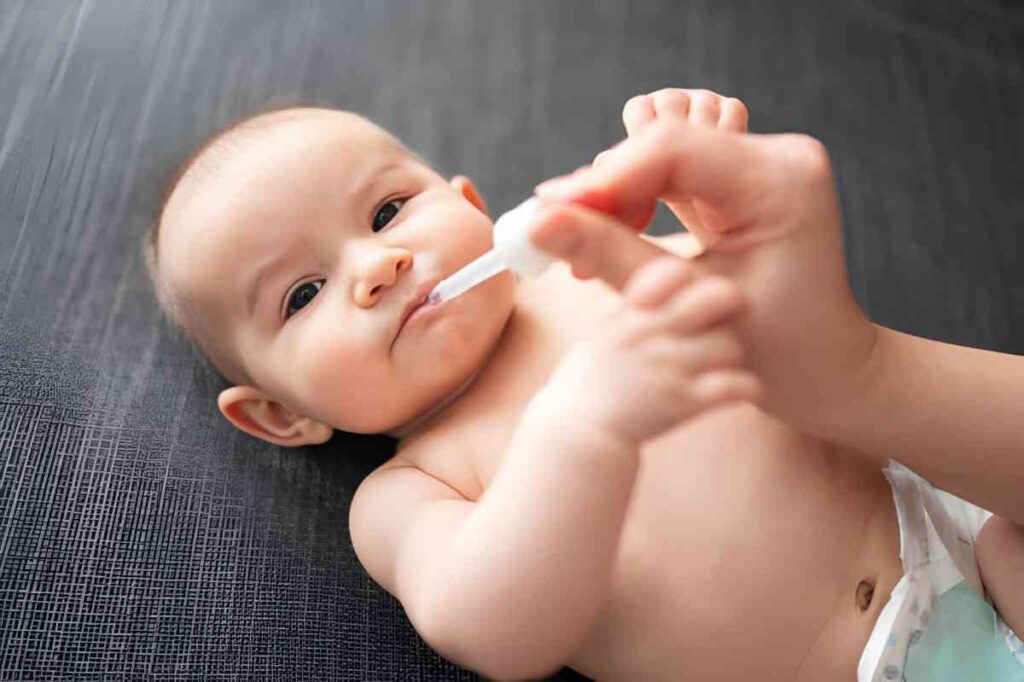
Premature babies often have lower hemoglobin and hematocrit levels than full-term babies. Because they missed the final weeks of iron loading in the womb, their "nadir" or drop in blood levels happens earlier and may be deeper, often requiring iron supplementation.
Conditions such as maternal diabetes or smoking can lead to higher-than-normal blood counts in the baby. The baby’s body overproduces red blood cells to compensate for lower oxygen availability or metabolic stress during pregnancy.
Common Clinical Concerns
While the body usually regulates these levels perfectly, clinicians watch for two main deviations: blood that is too "thick" (polycythemia) or blood that is too "thin" (anemia).
Understanding Polycythemia
When the hematocrit is too high, the blood can become viscous or thick. This makes it harder for the heart to pump the blood through tiny vessels. Signs of polycythemia include a very "ruddy" or red skin color, lethargy, or difficulty feeding. In some cases, a small amount of the baby's blood is replaced with saline (a partial exchange transfusion) to thin the blood to a safer level.
The Math of Hematocrit
How do we calculate this? While lab machines do the heavy lifting, the basic concept is straightforward and does not require complex formulas.
Total Blood Volume: 100 units
Volume of Red Cells: 55 units
Hematocrit Calculation: (55 divided by 100) multiplied by 100 = 55%
In newborns, a value of 55% is perfectly normal, whereas in an adult, this would be considered high.
When is Anemia a Problem?
If a baby’s hemoglobin drops too fast or too low, they may show signs of anemia of prematurity or pathological anemia. Symptoms include a pale appearance, an increased heart rate, or "apnea" (pauses in breathing). This is often treated with iron drops or, in severe cases, a blood transfusion.
Specialist Perspective on
In the current year, , we have moved toward less invasive monitoring. We no longer prick a baby's heel for every minor variation unless they show clinical symptoms. The focus is on the total clinical picture: Is the baby feeding well? Are they gaining weight? Is their heart rate stable? If the answer is yes, we often allow the natural biological transition of the blood to happen without intervention.
If your baby's labs show a hemoglobin of 18 g/dL and a hematocrit of 54%, take a deep breath. These numbers represent a healthy, robust start to life, showing that your baby's body successfully navigated the incredible journey from the womb to the world.