Rhythms of Life: A Guide to Normal Newborn Heart Rates
Deciphering the fast-paced cardiac signatures of the neonatal period.
The Baseline: Understanding Newborn Ranges
To the uninitiated ear, a newborn’s heart sounds like a miniature drumroll. While an adult’s resting pulse typically sits between 60 and 100 beats per minute (bpm), a healthy newborn operates on a much higher frequency. This rapid cadence is not a sign of stress; it is a physiological necessity for a body that is rapidly growing and adapting to life outside the womb.
In the immediate moments after birth, a baby's heart rate is highly variable. However, once the infant has stabilized—usually within the first few hours—the heart rate will normally settle to a baseline between 120 and 160 bpm when the infant is awake and quiet. This range serves as the clinical standard for neonatal health assessments in maternity wards across the United States.
State Dependence: Sleep vs. Activity
A static number never tells the full story of a newborn's heart. Cardiac rhythm is deeply "state-dependent," meaning it fluctuates based on whether the baby is in deep sleep, active REM sleep, alert, or crying.
| Infant State | Expected Heart Rate (BPM) | Clinical Context |
|---|---|---|
| Deep Sleep | 80 – 100 | Normal deceleration as metabolic demand drops. |
| Quiet Awake | 110 – 160 | The standard baseline for clinical assessment. |
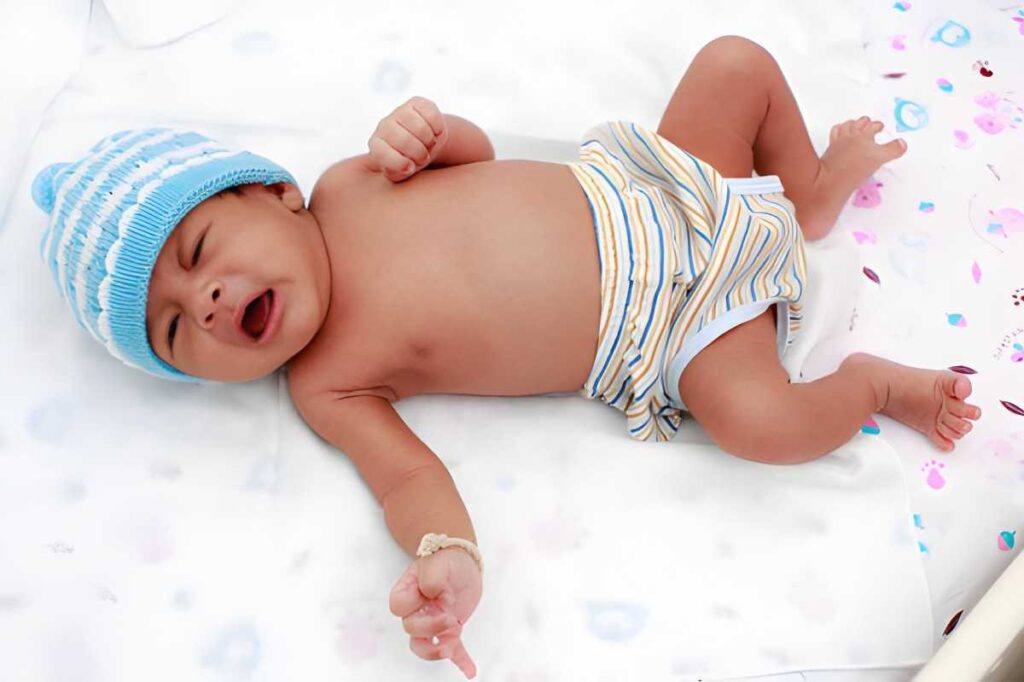
| Crying/Agitated | 170 – 200 | Transient spikes are normal during intense exertion. |
| Feeding | 140 – 170 | Coordinated sucking and swallowing increases demand. |
Specialists look for "variability" rather than a perfectly steady beat. A heart rate that never changes, even during sleep or activity, is actually a cause for clinical concern. Healthy variability indicates that the baby's nervous system is responsive and capable of regulating internal environments.
The Great Transition: Womb to Room
The transition from fetal circulation to neonatal circulation is the most complex physiological event in a human’s life. In the womb, the baby’s lungs are filled with fluid, and blood bypasses them through the ductus arteriosus and the foramen ovale. At birth, as the baby takes her first breath, these "short-cuts" begin to close.
When the umbilical cord is clamped, the resistance in the baby's systemic circulation increases, forcing the heart to pump more vigorously against higher pressure.
As oxygen enters the lungs, pulmonary blood vessels relax. This massive drop in pulmonary resistance allows the heart to send blood to the lungs for the first time.
During this transition, which can take several days to complete fully, the heart rate may fluctuate as the muscle fibers of the ventricles adapt to their new workload. The left ventricle, in particular, must thicken to handle the task of pumping blood to the entire body without the help of the mother's placenta.
The Physics of the Small Heart
Why does a small heart beat faster? The answer lies in the relationship between Stroke Volume and Cardiac Output. In adults, the heart can increase the amount of blood it pumps by either beating faster or by stretching to hold and eject more blood (increasing stroke volume).
Newborn heart muscle is relatively stiff and less compliant than adult heart muscle. This means a baby cannot significantly increase her stroke volume. To increase the amount of oxygenated blood moving through her body, her only option is to increase the frequency of the beats.
Cardiac Output (CO) = Heart Rate (HR) x Stroke Volume (SV)
In a Newborn: CO = 145 bpm x 5 ml ≈ 725 ml/min
Because SV is fixed at ~5ml, the baby relies entirely on HR to meet metabolic demands.
When Patterns Diverge: Tachycardia and Bradycardia
While wide ranges are normal, there are thresholds where the heart rate indicates an underlying issue. These are categorized as tachycardia (too fast) and bradycardia (too slow).
A sustained heart rate above 180-200 bpm while the baby is at rest is considered tachycardia. Common causes include fever, dehydration, or Supraventricular Tachycardia (SVT). In many cases, it is a secondary response to an infection or a drop in blood sugar.
A heart rate that drops below 80-100 bpm while the baby is awake is significant. This can be caused by respiratory distress, apnea of prematurity, or a drop in body temperature (hypothermia). Because newborns rely on heart rate for cardiac output, bradycardia can quickly lead to poor perfusion.
Many newborns have an occasional "skipped beat" or an extra beat. These are often benign Premature Atrial Contractions (PACs) that resolve as the heart matures. However, if these occur in clusters, further investigation with an EKG is warranted.
Best Practices for Home Monitoring
Many parents today use wearable monitors to track their baby’s heart rate. While these can provide peace of mind, they can also cause unnecessary anxiety if the data is misunderstood. It is important to remember that these devices are prone to "noise" and false alarms, especially when the baby is moving or kicking.
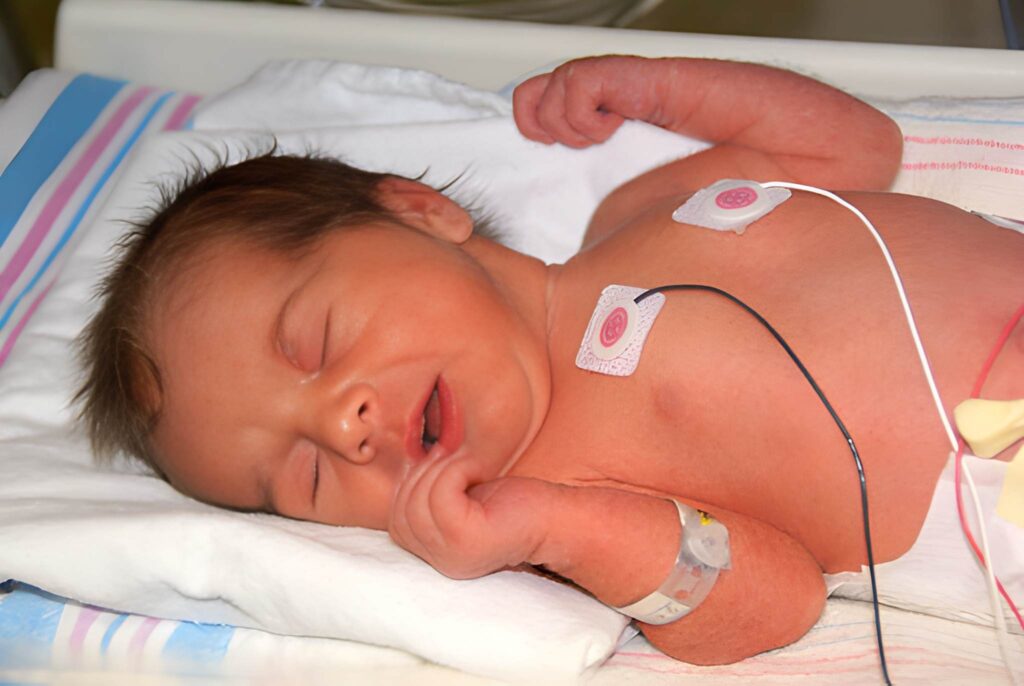
If you need to check your baby's pulse manually, the most accurate method is the Apical Pulse. This involves placing your hand or a stethoscope over the left side of the baby's chest, just below the nipple line. Count the beats for a full 60 seconds to account for any natural irregularities in the rhythm.
Clinical Milestones and When to Consult
The heart rate is a vital sign, but it is rarely looked at in isolation. Specialists use a "holistic" view, combining heart rate data with respiratory rate, skin color, and muscle tone.
As the baby moves through the first year of life, the baseline heart rate will gradually decrease. By the time a child is one year old, her resting heart rate will have settled closer to 100-120 bpm. This slow decline mirrors the growth of the heart and the increasing efficiency of the cardiovascular system.
Emergency Red Flags
While a fluctuating heart rate is normal, the following signs require immediate medical consultation:
- Persistent Cyanosis: A blue or purple tint to the lips, tongue, or skin that does not resolve with warming.
- Lethargy: A baby who is too weak to cry or difficult to rouse for feeding.
- Poor Capillary Refill: If you press on the baby's skin and it takes more than 3 seconds for the color to return.
- Sustained Rates: A heart rate that remains above 200 or below 80 for more than a few minutes without a clear cause.
In conclusion, a newborn's heart rate is a dynamic indicator of her health and adaptation. By understanding that the heart "settles" into different ranges based on activity and sleep, parents and caregivers can better interpret these rapid rhythms. The neonatal heart is a resilient and powerful engine, perfectly tuned for the high-energy demands of early life.