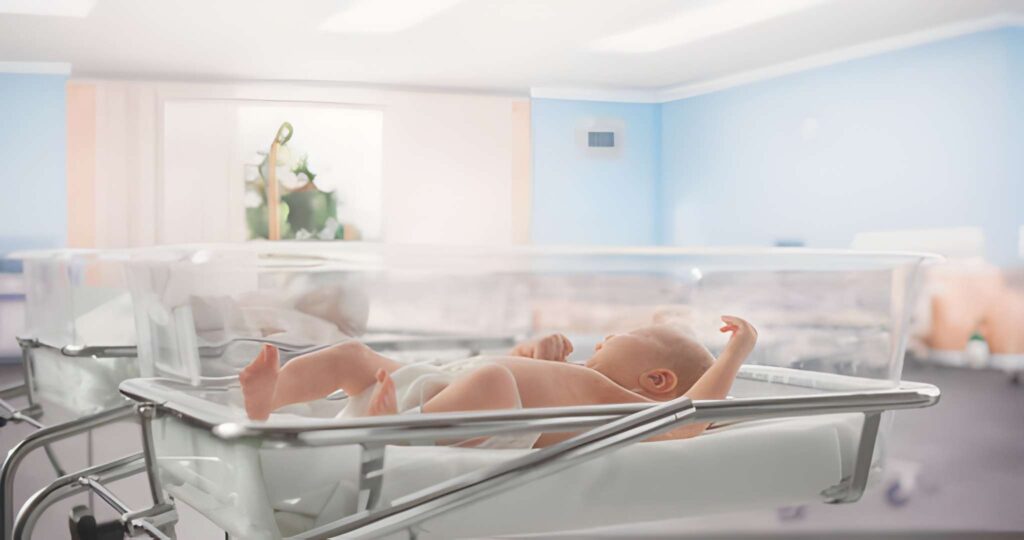
Guarding the Golden Hour: The Clinical Role of Radiant Warmers in Neonatal Care
An Expert Exploration of Thermal Neutrality and Newborn Stabilization in
The Vulnerability of Newborn Thermoregulation
A newborn’s transition from the 37.0 degree Celsius environment of the womb to a typically cooler delivery room represents one of the most significant physiological challenges of early life. Unlike adults, infants possess a limited ability to generate heat through shivering. Instead, they rely on non-shivering thermogenesis, a process that utilizes brown adipose tissue (brown fat) to produce warmth. However, this process consumes massive amounts of oxygen and glucose, making it a "metabolic tax" that a fragile newborn cannot always afford.
Infants are particularly susceptible to heat loss due to their large surface-area-to-body-mass ratio. They lose heat through four primary mechanisms: evaporation (wet skin at birth), conduction (contact with cold surfaces), convection (cool air currents), and radiation (proximity to cold windows or walls). In the nursery or delivery room, a nurse places a newborn under a radiant heat warmer to stabilize their core temperature and provide a thermal neutral zone—an environment where oxygen consumption and metabolic rate are at their absolute minimum.
Physics of the Radiant Warmer
Radiant warmers utilize infrared radiation to transfer heat directly to the infant's skin. This is a form of electromagnetic energy that does not rely on warming the surrounding air, making it an ideal choice for the delivery room where clinical access is paramount. The overhead heating element emits infrared waves that are absorbed by the baby's tissues, which then warm the circulating blood to maintain core stability.
Because the air itself remains relatively cool, the nurse must be aware that the infant is still susceptible to convective heat loss if the room is drafty. The design of the warmer allows for 360-degree access for procedures such as umbilical catheterization, resuscitation, or physical assessment without the barrier of a plastic canopy. This accessibility is the primary reason warmers are favored during the initial stabilization phase or in surgical neonatal units.
Operational Modes: Servo vs. Manual
Modern radiant warmers offer two distinct modes of operation. Understanding the difference is critical for nursing safety and infant health. Misuse of these modes is one of the leading causes of accidental hyperthermia in the clinical setting.
Servo (Skin) Control Mode
In this mode, a skin probe is attached to the infant’s abdomen. The warmer continuously adjusts its heat output based on the infant's actual skin temperature. If the baby’s temperature drops, the heater increases intensity; as the baby warms, the output decreases.
Primary Use: Long-term stabilization and continuous monitoring.
Manual (Non-Servo) Mode
The heater provides a constant percentage of its maximum output regardless of the baby's temperature. It acts like a "dumb" heater that does not listen to the baby's physiological signals.
Primary Use: Pre-warming the bed before delivery or very brief procedures.
The Precision of Skin Probe Placement
When using Servo-control mode, the placement of the thermistor (skin probe) is the single most important technical task for the nurse. The probe acts as the "brain" for the machine. If the probe is placed incorrectly, the machine will receive false data, leading to dangerous under-heating or over-heating.
The probe should be placed over a solid organ, typically the upper right quadrant of the abdomen (over the liver) or the mid-line between the umbilicus and the xiphoid process. It must not be placed over bony prominences, as bone does not reflect core temperature accurately. Furthermore, the probe should never be placed over brown fat deposits (like the interscapular area), as brown fat generates its own heat and will trick the machine into thinking the baby is warmer than they truly are.
Probe Attachment Protocols:
- Ensure the skin is clean and dry to allow for a secure seal.
- Use a reflective "silver" patch to cover the probe. This prevents the infrared heater from directly warming the metal sensor, ensuring the sensor measures the skin temperature rather than the heater's intensity.
- Verify that the baby is not lying on the probe, as pressure can cause skin breakdown and inaccurate readings.
Managing Insensible Water Loss
One of the primary drawbacks of the radiant warmer is the significant increase in insensible water loss (IWL). Because the infant is exposed to the open air and high-intensity infrared energy, moisture evaporates from their skin much faster than it would in a closed incubator.
For a very low birth weight (VLBW) infant, this can lead to rapid dehydration and electrolyte imbalances. To mitigate this, specialists often use "plastic blankets" or specialized polyurethane wraps over the infant while they are under the warmer. These clear wraps allow the infrared heat to pass through to the baby while trapping moisture close to the skin, effectively creating a micro-environment of high humidity.
Standard IWL in closed incubator: 30 - 60 mL/kg/day
Estimated IWL under Radiant Warmer: 60 - 100 mL/kg/day
Total Fluid Intake (TFI) Adjustment:
Increase TFI by approximately 20-25% to compensate for radiant heat exposure.
Nursing Safety and Prevention Protocols
Nursing assessment of an infant under a radiant warmer must be frequent and systematic. Beyond looking at the digital display, the nurse must assess the infant's physical state. A baby who is overheating may appear flushed, may be tachypneic (breathing fast), or may appear lethargic. Conversely, a baby who is cold-stressed may exhibit mottling of the skin or persistent crying.
If the "Check Probe" alarm sounds, the nurse must immediately inspect the attachment site. A probe that has detached and is lying on the mattress will register the mattress temperature (which is often cooler than the baby), causing the heater to ramp up to 100% output. This can lead to rapid hyperthermia. Never silence a thermal alarm without physically touching the infant and checking the probe site.
Radiant warmers should be placed away from air conditioning vents and windows. Air currents flowing over the warmer can create a "wind-chill" effect, leading to convective heat loss even if the heater is at maximum capacity. Specialists also recommend checking the heating element for "hot spots" during routine equipment maintenance.
When an infant under a warmer also requires phototherapy for jaundice, the additional light banks can contribute to heat. The nurse must monitor the baby's temperature even more closely, as the combined radiant energy from the heater and the blue lights can push a baby into a hyperthermic state quickly.
Radiant Warmer vs. Closed Incubator
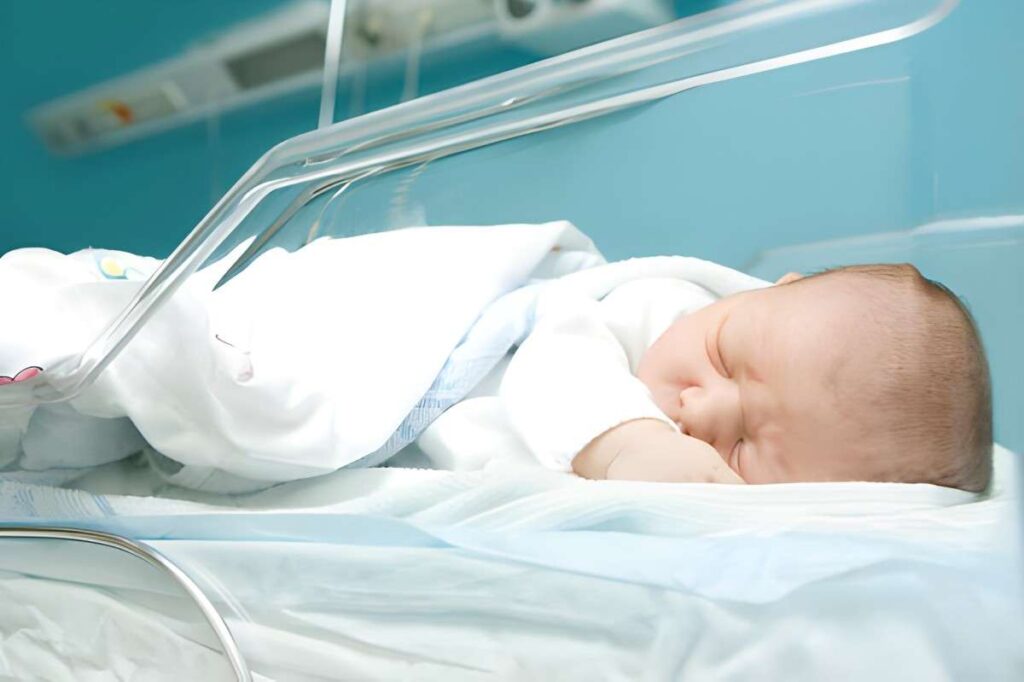
In the United States, the choice between a warmer and an incubator often depends on the level of care and the current clinical goals. While warmers are superior for access, incubators are superior for long-term growth and stability.
| Feature | Radiant Warmer | Closed Incubator (Isolette) |
|---|---|---|
| Clinical Access | Excellent (Open Design) | Limited (Port holes/Canopy) |
| Humidity Control | Poor (Requires manual wraps) | Excellent (Integrated systems) |
| Noise Environment | Noisier (Open to room) | Quieter (Shielded) |
| Fluid Loss | High (Evaporative) | Low (Stable environment) |
The Specialist’s Perspective
The radiant warmer is a life-saving piece of technology that bridges the gap between the womb and the world. However, it is an "active" intervention that requires an "active" caregiver. The machine provides the heat, but the nurse provides the wisdom—ensuring the probe is secure, the mode is correct, and the baby’s hydration is maintained. In the socioeconomic context of modern US healthcare, ensuring that every delivery suite is equipped with a functional, well-maintained radiant warmer is a baseline requirement for reducing neonatal morbidity and ensuring a safe start for the newest members of our families.
By mastering the physics and nursing protocols of these devices, we protect the vulnerable metabolic reserves of the newborn, allowing them to focus their energy not on survival, but on the joy of growth and connection with their parents.