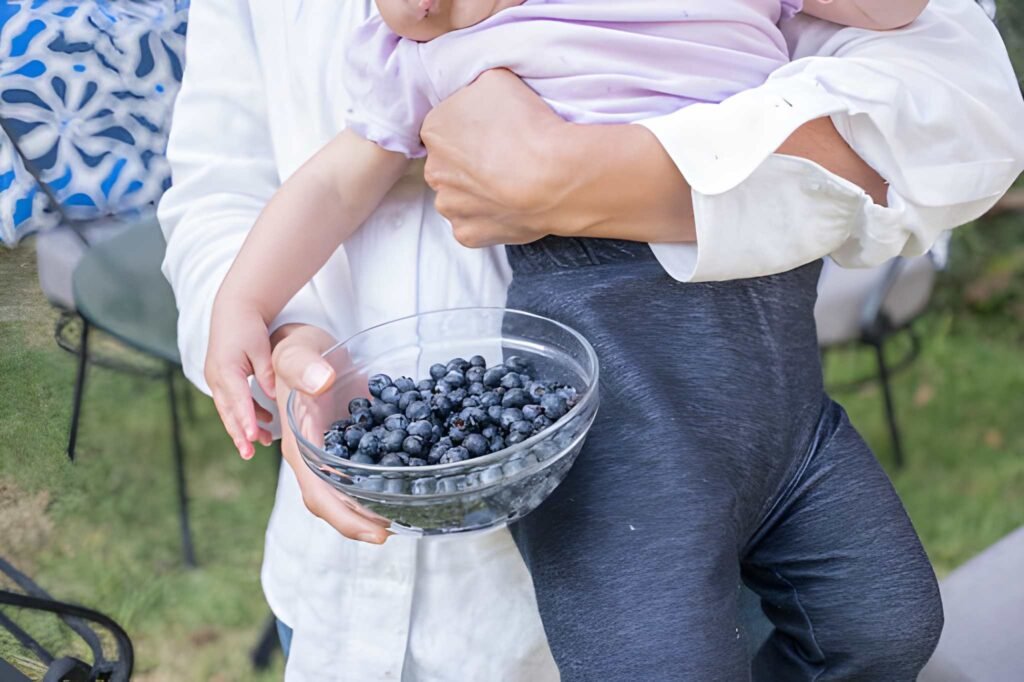
The Berry Boost: A Specialist’s Guide to Nutritional Excellence During Breastfeeding
Harnessing the power of phytonutrients for maternal health and infant development
As a child and mother specialist, I am frequently asked about the safety and efficacy of specific "superfoods" during the lactation period. Among the most vibrant and nutritionally dense options are berries. Whether you are reaching for a handful of blueberries, slicing strawberries for your morning oatmeal, or exploring the tartness of raspberries, these small fruits pack a significant punch. In the realm of postpartum nutrition, berries act as more than just a source of natural sweetness; they are biological powerhouses that support the intense metabolic demands of breastfeeding.
The postpartum period requires a specific focus on cellular repair, immune stability, and sustained energy levels. Breastfeeding burns approximately 500 extra calories a day, but the quality of those calories is what ultimately dictates your long-term wellness and the nutrient density of your milk. Berries provide a unique combination of low-glycemic carbohydrates, high fiber, and a spectrum of antioxidants that are found in few other food groups.
Guide Contents
1. The Nutritional Blueprint: Why Berries Matter 2. Berry Varieties: A Detailed Comparative Review 3. Impact on the Infant: Flavor, Nutrients, and Allergies 4. Addressing Common Concerns: Acidity and Gas 5. Selection and Safety: Cleaning and Pesticides 6. Practical Integration: Quick Berry-Based Solutions 7. Frequently Asked Specialist QuestionsThe Nutritional Blueprint: Why Berries Matter
To understand why berries are so highly recommended, we must examine their chemical composition. During lactation, the mother’s body prioritizes the transfer of nutrients to the milk, often at the expense of her own stores. Berries help replenish these stores without causing the inflammatory blood sugar spikes associated with processed snacks.
Beyond antioxidants, berries are an excellent source of Vitamin C. While most people associate Vitamin C only with immune health, it is also a vital precursor to collagen synthesis. For a postpartum mother, collagen is essential for the healing of pelvic floor tissues and the repair of abdominal muscles. Furthermore, Vitamin C enhances the absorption of non-heme iron (found in plant sources like spinach and lentils), which is critical for preventing the anemia often seen in new mothers.
| Nutrient | Role in Lactation | Key Berry Sources |
|---|---|---|
| Fiber | Supports gut health and prevents postpartum constipation. | Raspberries, Blackberries |
| Vitamin C | Aids tissue repair and boosts maternal immune function. | Strawberries, Blueberries |
| Manganese | Supports bone health and metabolic enzyme function. | Blueberries, Strawberries |
| Folate | Vital for cellular division and DNA repair. | Strawberries, Raspberries |
Berry Varieties: A Detailed Comparative Review
While all berries are beneficial, each variety offers a different specialized profile. In the year , clinical nutritionists increasingly advocate for a "diverse plate" approach to fruit consumption.
Blueberries are famously rich in pterostilbene and flavonoids. These cross the blood-brain barrier and can help combat "mom brain"—the cognitive fog associated with hormone shifts and fatigue. They are also incredibly low in sugar.
One cup of raspberries provides 8 grams of fiber, nearly a third of the daily requirement for nursing mothers. This fiber helps regulate insulin levels, preventing the late-afternoon energy crashes that plague many new parents.
Strawberries are approximately 91% water. Since hydration is the most critical factor for milk volume, snacking on strawberries provides a flavorful way to maintain fluid balance alongside your water intake.
High in Vitamin K, blackberries support blood clotting and bone density. This is particularly important because the mother’s body may mobilize calcium from her bones to support the infant’s growth if dietary intake is insufficient.
Impact on the Infant: Flavor, Nutrients, and Allergies
What you eat influences the flavor of your breast milk. This is one of nature’s most ingenious ways of preparing your infant for solid foods. When you consume berries, subtle aromatic compounds transfer to the milk.
Research suggests that infants exposed to a wide variety of fruit flavors through breast milk are more likely to accept those fruits when they begin the weaning process. This "early sensory exposure" can significantly reduce the likelihood of picky eating later in childhood.
Addressing Common Concerns: Acidity and Gas
Many mothers worry that the "acidity" of berries might cause gas or diaper rash in their newborn. It is important to distinguish between gastric acidity (how a food feels in your stomach) and its systemic impact on breast milk.
Berries are not typically "gas-producing" foods like broccoli or beans. The gas produced during digestion happens in the mother's large intestine and does not pass into the breast milk. If your baby seems fussy after you eat berries, it is more likely a sensitivity to a specific protein or simply a developmental phase unrelated to your diet.
While direct consumption of acidic fruits by a toddler might cause a rash, it is extremely rare for maternal consumption to cause this in an infant. Breast milk maintains a very stable pH regardless of what the mother eats. If a rash occurs, check for moisture levels or sensitivity to diaper materials first.
Selection and Safety: Cleaning and Pesticides
Berries consistently appear on the "Dirty Dozen" list—the list of produce with the highest pesticide residues. When you are breastfeeding, your body is a filter, but reducing the load on your detoxification systems (your liver and kidneys) is always a priority.
If your budget allows, prioritize organic strawberries and blueberries. If organic is not an option, you can effectively reduce pesticide residue by soaking berries in a solution of one part vinegar to four parts water for 10 minutes, followed by a thorough rinse with cold water. This also helps kill mold spores, extending the shelf life of the fruit.
Practical Integration: Quick Berry-Based Solutions
As a new mother, time is your most precious resource. You need nutrition that is "grab-and-go."
- The Berry Smoothie: Blend frozen berries (which are often picked at peak ripeness and just as nutritious as fresh) with Greek yogurt and a handful of spinach. This provides protein, fiber, and antioxidants in one hand-held meal.
- Overnight Berry Oats: Prepare oats with milk and berries the night before. By morning, the berries will have infused the oats with flavor, providing slow-release energy for your first nursing session.
- The "Lactation Bowl": Mix blueberries and raspberries with walnuts and hemp seeds. The omega-3s from the seeds paired with the fruit's antioxidants create a neuro-protective snack for your brain.
Frequently Asked Specialist Questions
Berries are very healthy, but like any food, balance is key. Very high intake of fiber can occasionally lead to maternal bloating if you aren't drinking enough water. Aim for 1 to 2 servings a day as part of a varied diet.
Often, they are better! Frozen berries are typically flash-frozen immediately after harvest, preserving their Vitamin C and antioxidant content. They are also usually more affordable and convenient for busy mothers.
Reflux is usually related to the immature esophageal sphincter of the infant or a sensitivity to dairy or soy proteins in the mother's diet. Berries are rarely the culprit for reflux. Consult a specialist before cutting healthy fruits out of your diet.
Integrating berries into your breastfeeding journey is one of the simplest and most effective ways to support your health and your infant’s development. These vibrant fruits provide the essential micro-nutrients needed to navigate the demands of early motherhood. By choosing a variety of colors and ensuring proper cleaning, you turn a simple snack into a clinical tool for wellness.
Always listen to your body and observe your infant’s cues. While berries are a universal favorite, every mother-infant dyad is unique. Nourish yourself with intention, and enjoy the natural vitality that these small but mighty fruits provide.