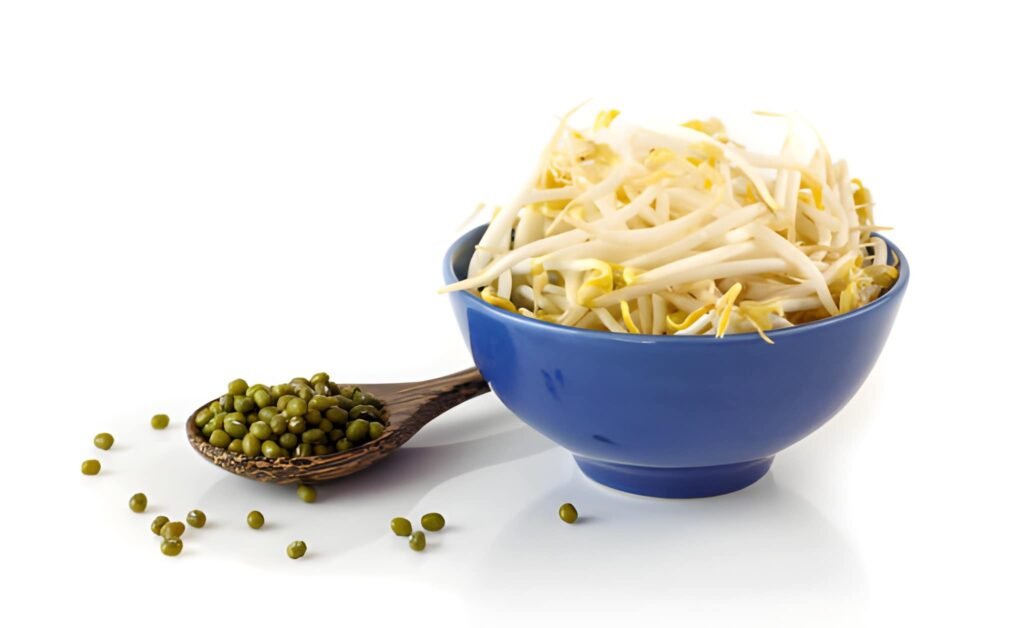
Bean Sprouts and Breastfeeding
A Specialist's Guide to Nutrition, Food Safety, and Lactation Wellness
Article Roadmap
Postpartum recovery requires a diet rich in micro and macronutrients to support tissue healing and the metabolic demands of lactation. Bean sprouts, particularly those from mung beans or alfalfa, are often lauded as superfoods. They are essentially germinated seeds, a process that increases the bioavailability of certain vitamins and minerals while reducing the concentration of phytic acid, which can inhibit mineral absorption.
For a nursing parent, bean sprouts offer a high-water-content vegetable option that assists in daily hydration—a critical factor for maintaining milk volume. However, the very conditions that make bean sprouts grow so efficiently are the same conditions that invite bacterial growth. As a specialist, I advise a cautious but informed approach to incorporating these into your diet.
The Nutritional Powerhouse Inside the Shoot
Bean sprouts are exceptionally low in calories but dense in specific nutrients that the body depletes during pregnancy and nursing. They provide a significant dose of Vitamin C, which supports the immune system and assists in the absorption of iron—a mineral many new mothers lack.
| Nutrient | Benefit for Nursing Parents | Average Concentration |
|---|---|---|
| Folate (B9) | Assists in DNA repair and red blood cell production. | High |
| Vitamin K | Essential for healthy blood clotting and bone strength. | Moderate |
| Vitamin C | Boosts maternal immunity and collagen synthesis. | Very High |
| Manganese | Supports metabolic function and antioxidant defense. | High |
The Risk of Foodborne Illness: A Critical Warning
The primary concern regarding bean sprouts is not the sprout itself, but the environment in which it is grown. Sprouts require a warm, humid, and damp environment to germinate. Unfortunately, these are the ideal breeding grounds for bacteria such as Salmonella, E. coli, and Listeria.
Listeria is a particular concern for mothers in the early postpartum period. Because the immune system remains somewhat suppressed for several weeks following delivery, parents are more susceptible to severe complications from listeriosis. If a mother becomes severely ill, the physical stress and inability to maintain a proper feeding schedule can lead to secondary issues such as mastitis or a premature drop in milk volume.
Safe Preparation and Handling Protocols
The good news is that bean sprouts are perfectly safe and healthy when prepared with specific safety measures. Heat is the most effective way to eliminate the risk of bacterial contamination. If you are craving the crunch of sprouts, following these specialist-approved steps will ensure your safety.
Cook Thoroughly
Sprouts should be cooked until they are steaming hot throughout. Sautéing, stir-frying, or adding them to boiling soups are excellent methods to ensure any surface bacteria are destroyed.
Wash and Trim
Always wash sprouts under cold, running water before cooking. Remove any slimy or discolored shoots, as these are signs of spoilage and increased bacterial load.
Storage Temperature
Store sprouts at or below 40 degrees Fahrenheit (4 degrees Celsius). Never leave them sitting at room temperature, even for short periods during meal preparation.
Impact on Infant Digestion: Myths vs. Reality
A common myth in maternal care is that if a mother eats "gassy" foods, the baby will experience gas. Bean sprouts, being legumes, are often grouped into this category. However, it is important to understand the physiology of lactation.
No. Gas is a byproduct of the digestion of fiber in your gut. The gas itself does not enter your bloodstream and cannot enter your milk. What can pass into milk are the tiny proteins or flavors from the food you eat. While some babies may be sensitive to certain proteins, most infants do not react to a mother eating bean sprouts.
If your baby is sensitive to a protein in your diet, you will likely see symptoms such as inconsolable crying (colic), skin rashes, or changes in stool (such as mucus or blood). If your baby is happy and healthy after you eat sprouts, there is no reason to eliminate them from your diet.
Impact on Maternal Milk Supply
There is no evidence to suggest that bean sprouts are "anti-galactagogues" (foods that decrease milk supply). In fact, the high folate and water content may subtly support a healthy lactation environment. The only way sprouts would negatively impact supply is through the aforementioned risk of foodborne illness leading to dehydration.
The "Lactation Stir-Fry" Concept
Combine thoroughly cooked mung bean sprouts with lean protein (chicken or tofu), ginger (a known circulatory stimulant), and dark leafy greens. This combination provides a balanced profile of iron, protein, and antioxidants that supports the high metabolic needs of a breastfeeding body.
Comparing Sprout Varieties
Not all sprouts are created equal. Some carry higher bacterial risks, while others offer more concentrated nutrition. As a specialist, I recommend choosing larger sprouts for cooking, as they tend to hold their structure better under the heat required for safety.
| Variety | Safety Recommendation | Primary Benefit |
|---|---|---|
| Mung Bean | Best for stir-fries; holds heat well. | High protein and fiber. |
| Alfalfa | Highest risk if raw; difficult to cook. | High in phytoestrogens. |
| Soybean | Must be cooked well; very hardy. | High in Isoflavones and Calcium. |
| Radish | Provides a spicy kick; cook lightly. | High in antioxidants. |
Professional Perspective on Food Trends
In the current landscape of , we are seeing a resurgence in home-sprouting kits. While this allows for fresher produce, it does not eliminate the bacterial risk. If you choose to sprout at home, you must still cook the result thoroughly. The seeds themselves can be contaminated with bacteria before the sprouting process even begins.
My final advice as your specialist: prioritize your recovery and your safety. Enjoy bean sprouts for their incredible nutrient density, but ensure they are part of a cooked, well-balanced meal plan. If you suspect you have contracted a foodborne illness, contact your healthcare provider immediately and focus on intensive hydration with electrolyte-balanced fluids to protect your milk supply.
Lactation is a journey that requires both energy and caution. By making informed choices about foods like bean sprouts, you are building a strong foundation for both your health and the growth of your child. Stay alert to your baby's cues, but do not feel the need to restrict your diet unless a clear sensitivity is observed.