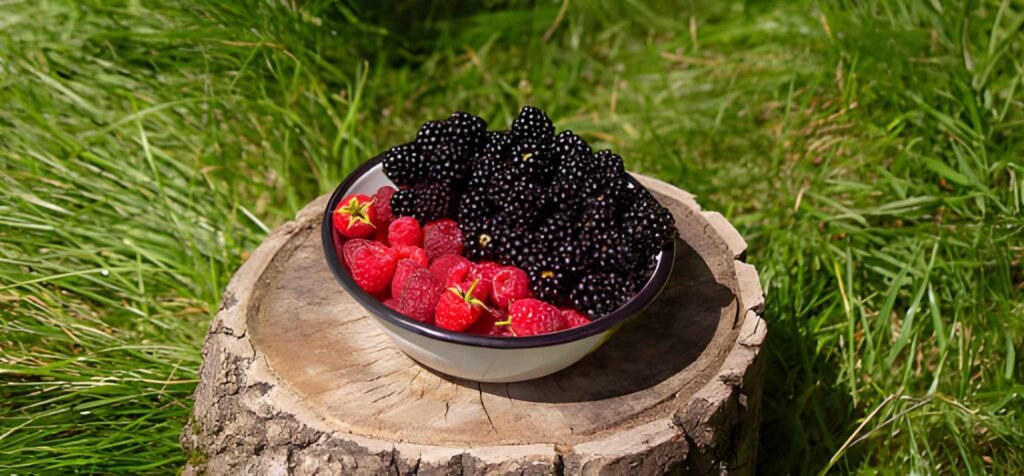
Berry Vitality: Blackberries and Raspberries for Lactation
Exploring the nutritional synergy of dark berries for maternal recovery and infant growth.
The Nutritional Landscape of Berries During Lactation
Breastfeeding represents a high-energy metabolic state that requires a dense concentration of micronutrients to sustain both the mother and the developing infant. Blackberries and raspberries occupy a unique position in the maternal diet, offering a potent combination of water-soluble vitamins, dietary fiber, and polyphenolic compounds. Unlike many high-sugar fruits, these berries maintain a low glycemic index, providing sustained energy without the insulin spikes that can contribute to postpartum fatigue.
As a specialist, I evaluate these fruits through the lens of their antioxidant capacity. The darker pigments in blackberries and the vibrant reds in raspberries signal the presence of specific phytochemicals that directly counteract the oxidative stress associated with the physiological demands of lactation. These fruits are not only safe; they are arguably foundational components of a recovery-focused diet.
The Role of Anthocyanins in Maternal Recovery
Anthocyanins are the pigment-producing flavonoids responsible for the deep hues of blackberries and raspberries. During the postpartum period, the body undergoes significant inflammatory shifts as it heals from childbirth and adapts to the hormonal rigors of milk production. Anthocyanins serve as natural anti-inflammatory agents.
Physiologically, these compounds cross the gut barrier and enter the maternal bloodstream, where they assist in neutralizing free radicals. While the direct transfer of anthocyanins into breast milk is relatively low, their primary benefit lies in supporting the mother’s immune resilience. A healthy, well-nourished mother produces milk that is more consistent in its immunological profile, providing the infant with a stable foundation of protection.
Fiber Dynamics and Gut Health
One of the most persistent challenges in the postpartum phase is maternal constipation, often exacerbated by iron supplements or pelvic floor shifts. Raspberries and blackberries are among the highest-fiber fruits available to the modern consumer.
The fiber in these berries is a mix of soluble and insoluble types. Insoluble fiber adds bulk to the stool, facilitating regular bowel movements, while soluble fiber acts as a prebiotic. Prebiotics feed the beneficial bacteria in the maternal gut, which is essential because the mother's microbiome directly influences the infant’s early gut colonization through skin contact and the minor transfer of probiotic bacteria through milk.
Contains roughly 7.6 grams of fiber per cup. The seeds provide significant insoluble fiber, making them excellent for mechanical digestive health.
Offers about 8 grams of fiber per cup. Higher in pectin, which helps regulate blood sugar absorption and promotes a feeling of fullness (satiety).
Addressing Gas, Allergies, and Sensitivities
A common myth among breastfeeding circles is that acidic or high-fiber fruits consumed by the mother will cause gas or "fussiness" in the infant. Physiologically, the fiber consumed by the mother stays within her digestive tract; it does not pass into the milk. Gas in the infant is typically a result of swallowed air or a sensitivity to specific proteins (like cow's milk protein), not the fruit intake of the mother.
Regarding allergies, raspberries and blackberries are not part of the "major eight" allergens. While any food can theoretically cause a reaction, these berries are generally considered low-allergy risk. In rare cases, an infant may react to the salicylate content in berries, which might manifest as a mild diaper rash. If this occurs, a temporary reduction in intake is usually sufficient to resolve the issue.
The citric and malic acids in berries do not significantly change the pH of breast milk. The maternal body tightly regulates milk pH to ensure it remains around 7.0 to 7.4, regardless of dietary acidity. Therefore, berries will not "sour" the milk or cause reflux in the baby.
Observe the infant for 24 hours after introducing a large quantity of berries. Look for unusual fussiness or skin changes. If the infant remains comfortable, these fruits can be safely integrated as a daily staple.
Sourcing, Washing, and Bioavailability
To maximize the benefits of berries, sourcing and preparation are key. In the United States, berries frequently appear on the "Dirty Dozen" list for pesticide residue. Choosing organic berries is preferable when the budget allows, but it is not a requirement for a healthy diet if proper washing techniques are applied.
Washing Protocols
Simply rinsing berries under cold water is often insufficient to remove wax or systemic pesticides. A solution of one part white vinegar to three parts water is highly effective for cleaning berries and extending their shelf life.
Fresh vs. Frozen
Many mothers believe that frozen berries are less nutritious. In reality, berries destined for the freezer are typically picked at peak ripeness and flash-frozen, which locks in the anthocyanin and Vitamin C content. Frozen berries are often more accessible and cost-effective, ensuring that mothers can maintain a high antioxidant intake even when fresh berries are out of season.
Comparison: Blackberries vs. Raspberries
While both berries are excellent choices, they offer slightly different concentrations of essential nutrients.
| Nutrient (Per 100g) | Blackberries | Raspberries | Lactation Benefit |
|---|---|---|---|
| Vitamin C | 21 mg | 26 mg | Tissue repair and immune function. |
| Manganese | 0.6 mg | 0.7 mg | Bone health and metabolism. |
| Vitamin K | 20 mcg | 8 mcg | Blood clotting and bone density. |
| Folate | 25 mcg | 33 mcg | DNA repair and cellular growth. |
Quantifying Intake: Daily Calculations
A standard serving of berries (one cup) provides a significant portion of the Recommended Dietary Allowance (RDA) for breastfeeding women. Let's look at the calculations for a mother consuming one cup of mixed berries daily.
Expert Clinical Summary
Blackberries and raspberries are not merely "okay" for breastfeeding; they are nutrient-dense powerhouses that directly support the multifaceted needs of a lactating mother. Their high water content assists with the increased hydration requirements necessary for milk volume, while their fiber profile ensures maternal digestive stability during a time of significant physical change.
The anthocyanins found in these fruits provide the anti-inflammatory support needed for postpartum tissue recovery, and the low glycemic load helps maintain steady energy levels during the sleep-deprived months of early parenthood. By choosing high-quality berries—whether fresh or frozen—and applying proper cleaning techniques, mothers can confidently enjoy these fruits as a daily dietary staple.
In conclusion, berries represent a safe, effective, and delicious way to secure essential micronutrients. Unless an infant displays a rare sensitivity to salicylate or a specific food protein, there is no clinical reason to limit their intake. On the contrary, their inclusion in a balanced maternal diet provides a broad spectrum of phytochemicals that benefit both the producer and the consumer of the world's most perfect food: breast milk.